Navigating Finances in Your 70s: A Comprehensive Guide
As you enter your 70s, it’s crucial to reassess your financial strategies to ensure you enjoy your retirement without financial worries. This article provides a detailed checklist to help you manage spending, prepare for unexpected expenses, and protect your wealth.

Your 70th birthday marks a significant milestone — not just in years, but in the financial landscape of your life. As you step into this new decade, it’s essential to transition from a mindset focused on saving to one that emphasizes spending wisely. This can be challenging, especially after decades of scrimping and saving. The reality of retirement often includes adjusting to the fact that your savings may start to dwindle, and unexpected expenses can arise. However, with careful planning and strategic thinking, you can navigate this stage of life confidently and securely.
In this article, we will provide you with a comprehensive financial checklist tailored for your 70s, focusing on essential strategies that ensure you can enjoy the wealth you've built while safeguarding it against inflation and unforeseen costs.

Establish a Realistic Spending Plan
Retirement should not feel like a financial burden; instead, it should be a time to relish the experiences and adventures you’ve long dreamed of. According to Nancy Anderson, Director of Wealth Planning Programs at Key Private Bank, the focus in your 70s should shift from saving to spending on the things that matter most. Here are some steps to create an effective spending plan:
- Separate Accounts for Different Expenses: Open distinct accounts for various categories such as household expenses, travel, and hobbies. This separation allows you to allocate funds intentionally, ensuring your essential costs are covered while still having a clear picture of what you can spend on leisure activities.
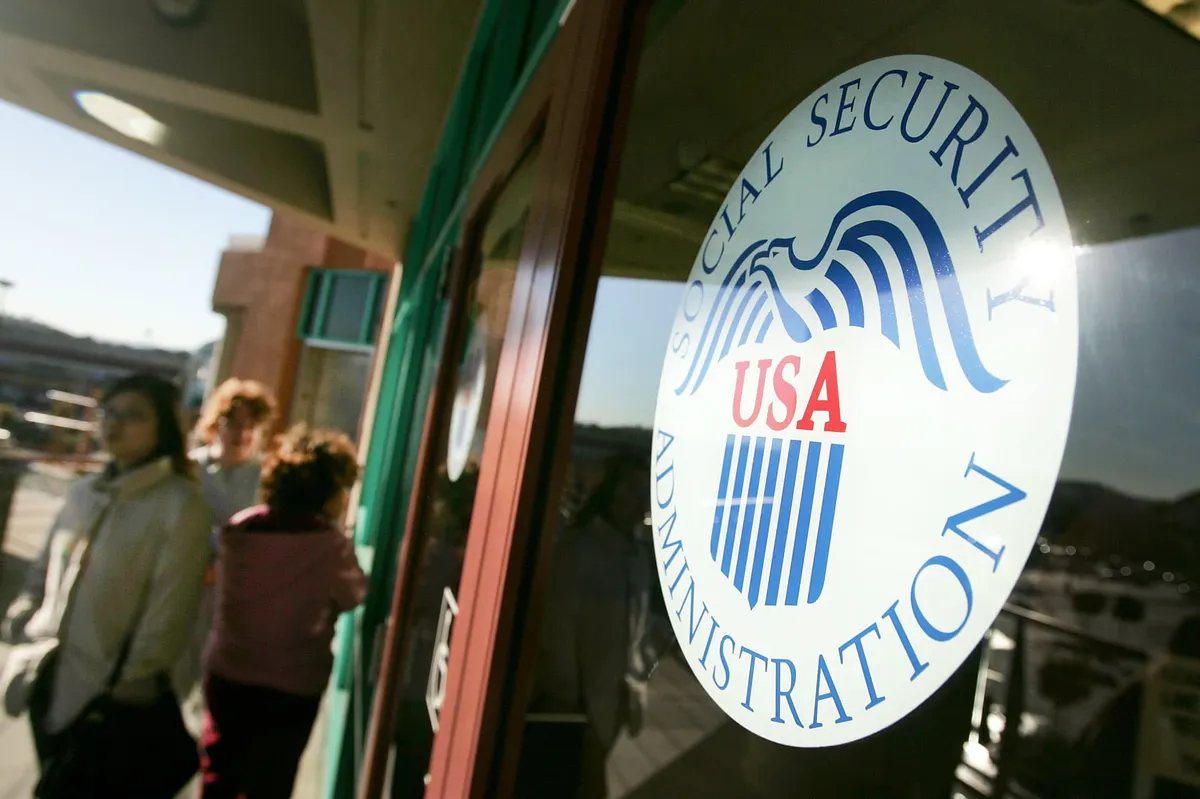
- Claim Social Security: If you haven’t already done so, now is the time to claim Social Security benefits. Delaying your claim can increase your benefits by up to 24%, but waiting beyond age 70 does not yield additional advantages.
- Plan for Required Minimum Distributions (RMDs): Starting in your mid-70s, you'll be required to withdraw minimum amounts from your retirement accounts. Failing to plan for this can unexpectedly inflate your taxable income. Lay a groundwork for these withdrawals now to avoid tax surprises later.
- Annual Review of Withdrawals: Treat your annual withdrawal as a living document. Review your spending plan each year to ensure it remains sustainable in light of market performance and personal circumstances.

Stress-Test Your Finances
To safeguard your financial future, it’s vital to stress-test your retirement strategies annually. This involves simulating various scenarios to understand how your savings might hold up under different conditions like market volatility, inflation, healthcare costs, and longevity. Here’s how you can conduct effective stress tests:
Identify Potential Risks
Work through hypothetical situations to identify potential financial shortfalls. For instance, consider how a significant market downturn might impact your savings or how rising healthcare costs could alter your budget. By doing this, you can create contingency plans ahead of time.
Make Adjustments as Needed
Small adjustments made in advance can significantly improve your long-term financial outlook. If your stress test reveals potential risks, adjust your spending limits or explore options for increasing income, such as part-time work or monetizing hobbies.
Chapter Your Retirement in Five-Year Increments
Retirement is a journey that spans decades, and planning should reflect that. One effective method is to break your retirement into five-year chapters. This approach allows you to prioritize experiences you value while being mindful of your health and energy levels:
- Initial Phase Priorities: In the first chapter, typically from ages 70 to 75, consider allocating more funds toward travel and experiences that enrich your life. This is often when retirees feel most capable of enjoying activities they’ve postponed.
- Future Flexibility: As you plan for later chapters, maintain flexibility in your spending plan. Health circumstances can change, and having a strategy that allows for adjustments can help you navigate these changes without financial stress.
Protect Yourself Against Fraud
The unfortunate reality is that older adults can become targets for scams and financial abuse, particularly as cognitive decline begins to set in. To safeguard your finances, consider implementing the following protective measures:
- Transaction Alerts: Set up alerts on bank and brokerage accounts to monitor for suspicious activities promptly.
- Multi-Factor Authentication: Enhance security by enabling multi-factor authentication on all financial accounts, adding an extra layer of protection.
- Trusted Contacts: Designate a trusted individual who can be notified of any suspicious transactions, providing an extra set of eyes on your accounts.
- Power of Attorney: Establish a strong power of attorney document that designates a trusted person to make decisions on your behalf if needed.

Simplify Financial Complexity for Heirs
As you prepare for the inevitable, consider simplifying your financial affairs. A complex web of accounts and documents can overwhelm your heirs and lead to confusion during an already difficult time. Here are steps you can take to simplify your financial legacy:
- Consolidate Accounts: Combine unnecessary accounts to reduce clutter. This can include merging old retirement accounts or bank accounts you no longer use.
- Document Your Assets: Keep an up-to-date inventory of assets, including passwords, account numbers, and other crucial information that your heirs will need.
- Communicate with Heirs: Inform your family about your financial landscape, ensuring they understand where to find important documents and how to access your accounts if necessary.
Enhance Your Estate Planning
Estate planning doesn’t just involve naming beneficiaries; it requires a thorough understanding of your wishes and how to communicate them effectively. Consider the following strategies to enhance your estate plan:
- Specific Bequests: Be explicit about your wishes. Instead of vague terms, specify what each heir will receive to prevent disputes.
- Review and Update: Regularly assess your estate plan to ensure it reflects your current wishes and circumstances. Changes in family dynamics or financial situations can necessitate updates.
- Engage Professionals: Consult with estate planning attorneys and financial planners to ensure your plan is legally sound and comprehensive.
Key Takeaways
- Create a realistic spending plan that separates essential expenses from discretionary spending.
- Conduct annual stress tests to evaluate the sustainability of your financial strategy.
- Plan retirement in five-year increments to prioritize experiences while considering health changes.
- Implement fraud protections to safeguard your wealth as you age.
- Simplify your financial affairs to ease the burden on your heirs and enhance your estate planning.
Frequently Asked Questions
What is the best way to adjust my spending in retirement?
The best approach is to create a flexible spending plan that accounts for both essential and discretionary expenses. Regularly review your spending against your income sources, and adjust as necessary to maintain a sustainable lifestyle. It’s also helpful to categorize your expenses by priority to ensure that your essential needs are met first.
How can I protect myself from financial scams in my 70s?
To protect yourself from financial scams, enable transaction alerts on your accounts, use multi-factor authentication, and designate a trusted contact who can be notified of suspicious activities. Furthermore, stay informed about common scams targeting seniors, and consider discussing major financial decisions with a trusted advisor.
What should I include in my estate planning documents?
Your estate planning documents should include a will, power of attorney, and healthcare proxy. Be sure to specify your wishes regarding asset distribution, and consider including a living trust if appropriate. Regularly review these documents to ensure they reflect your current situation and intentions.
Is it too late to start planning my retirement in my 70s?
It’s never too late to start planning for retirement. Even in your 70s, you can make adjustments to your financial strategy that can positively impact your quality of life. Whether it’s reassessing your spending, planning for healthcare costs, or simplifying your financial accounts, taking proactive steps now can help ensure a more secure and enjoyable retirement.
This content is educational and not financial advice.
Comments
Why More Retirees Are Choosing Delaware Over Florida
Delaware is gaining popularity among retirees, outpacing Florida with unique tax benefits and lifestyle perks. Discover what this means for your retirement planning.

Related articles





Popular in Retirement
- Understanding Trump Accounts: A New Investment Opportunity for Kids
- The Impending Crisis: Social Security Reform and Its Economic Ripple Effects
- Navigating Long-Term Care Insurance: Flexible Alternatives for a Secure Future
- Balancing AI and Employee Loyalty: A Guide for Small Business Owners
- Navigating Retirement: Overcoming Doubts and Embracing Change