Are You Ready to Spend in Retirement? Key Questions to Consider
Transitioning from saving to spending in retirement can be daunting. Here are essential questions to help new retirees navigate this financial shift effectively.

As you approach retirement, the financial landscape shifts dramatically. You’ve spent decades in the accumulation phase, diligently saving and investing for the future. Now, you’re entering the distribution phase—where it's time to start spending those hard-earned savings. This transition can be both exciting and overwhelming. To navigate this new chapter successfully, it’s essential to ask yourself the right questions about your financial strategy and lifestyle choices in retirement.
Understanding your financial needs and desires during retirement is crucial. This involves more than just having a number in mind; it’s about aligning your income sources with your spending goals and ensuring that you maintain a sustainable lifestyle throughout your retirement years. Here are five critical questions to consider as you embark on this journey.
How Much Income Will You Really Need?
Determining your income needs in retirement is foundational. The lifestyle you envision—whether it’s globe-trotting or cozying up at home—will significantly influence your financial requirements. Begin by estimating your monthly expenses, including:
- Housing costs (mortgage or rent, property taxes, maintenance)
- Healthcare and insurance expenses
- Daily living costs (groceries, utilities)
- Discretionary spending (travel, hobbies)
For instance, if you anticipate needing $10,000 monthly to cover all your expenses comfortably, your withdrawal strategy must be tailored to meet that need. It’s wise to budget for potential emergencies or unexpected expenses, ensuring that you have a buffer. Financial advisors often recommend planning for a worst-case scenario to avoid running short.

When Will You Claim Social Security?
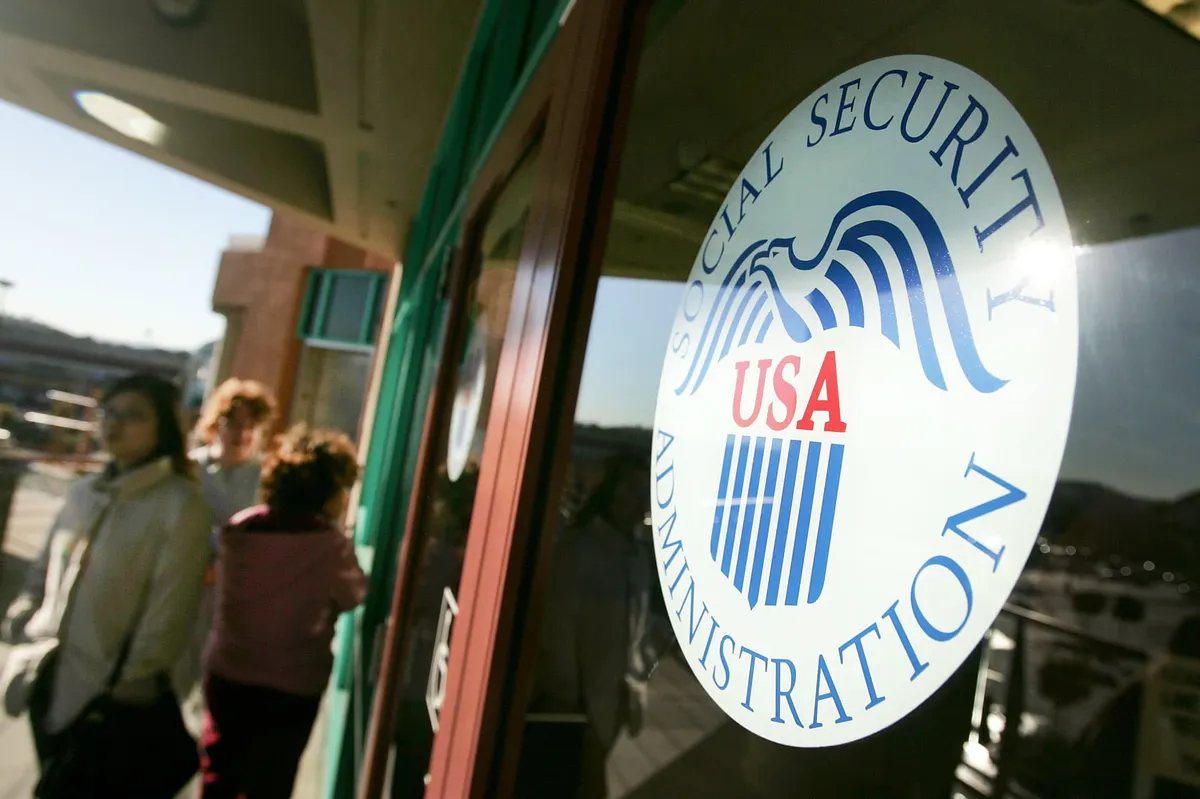
Your decision on when to claim Social Security benefits can have a profound impact on your retirement income. You can start receiving benefits as early as age 62, but doing so results in a reduced monthly payment. Conversely, waiting until your full retirement age (typically 66 or 67) allows you to receive a higher benefit, and delaying further until age 70 can maximize your monthly payments even more.
Each option presents unique advantages and trade-offs, depending on your health, life expectancy, and overall financial situation. For instance, if you have a family history of longevity and expect to live into your 90s, delaying benefits may be advantageous. On the other hand, if you need immediate income to support your lifestyle, claiming earlier might be necessary.
Can You Lower Your Tax Burden?
As you transition into retirement, tax planning becomes increasingly important. Unlike during your accumulation phase, where tax considerations might have seemed less pressing, retirement can bring unexpected tax implications. For example, withdrawals from traditional IRAs and 401(k) plans are taxed as ordinary income, which could push you into a higher tax bracket.
One effective strategy to mitigate taxes is through Roth conversions, where you transfer funds from a traditional retirement account to a Roth account that grows tax-free. Although you will pay taxes on the converted amount, future withdrawals won’t incur taxes. However, timing is crucial; it’s best to execute these conversions well before you reach the required minimum distribution age, which is currently 73.
Be mindful of the amount you convert in a given year, as transferring too much could elevate your taxable income, potentially increasing your Medicare premiums. A tax-efficient withdrawal strategy can help you keep more of your money for retirement spending.

Have You Thought About Sequence of Returns Risk?
Sequence of returns risk is a critical consideration for retirees. Unlike the accumulation phase, where the order of investment returns doesn't matter as much, retirees who withdraw funds during market downturns may find their portfolios severely impacted. For example, if you experience losses in the first few years of retirement while making withdrawals, you could deplete your savings faster than if you had a sequence of positive returns.
To mitigate this risk, consider adjusting your investment strategy as you enter retirement. Shifting to a more conservative asset allocation can help reduce volatility in your portfolio. Additionally, having a cash reserve or a conservative investment account to draw from during downturns can help you ride out market fluctuations without having to sell investments at a loss.
Will You Let Yourself Have Some Fun?
Lastly, it’s vital to shift your mindset from saving to spending. Many new retirees, especially those who have lived frugally, may find it challenging to embrace a lifestyle that includes discretionary spending. It’s essential to remember that retirement is not just about surviving; it’s about enjoying the fruits of your labor.
Consider allocating a portion of your budget for leisure activities, travel, or hobbies that bring you joy. As the saying goes, “You can’t take it with you.” Engaging in enjoyable activities can enhance your quality of life and create lasting memories. Working with a financial advisor can help you find a comfortable balance between enjoying your retirement and maintaining a sustainable financial plan.

Key Takeaways
- Assess your income needs: Understand how much you need monthly based on your desired lifestyle.
- Timing Social Security: Evaluate when to claim benefits for maximum financial advantage.
- Tax efficiency matters: Utilize strategies like Roth conversions to reduce your tax burden.
- Beware of sequence of returns risk: Adjust your investment strategy to protect your portfolio from market volatility.
- Enjoy your retirement: Allocate funds for leisure and experiences to enhance your quality of life.
Frequently Asked Questions
What is the best age to start claiming Social Security benefits?
The best age to claim Social Security benefits depends on various factors, including your financial needs, health, and life expectancy. While you can start as early as 62, this will reduce your monthly benefit. Waiting until your full retirement age, or even up to 70, can provide significantly higher payouts, making it essential to weigh your options carefully based on your circumstances.
How can I ensure my retirement savings last throughout my lifetime?
To ensure your retirement savings last, it’s crucial to develop a comprehensive withdrawal strategy that considers your expected lifespan, income sources, and spending needs. Regularly reviewing your spending, adjusting your budget, and remaining flexible can help you manage your funds effectively and adapt to changing circumstances.
Is it advisable to work part-time during retirement?
Working part-time during retirement can be a great way to supplement your income, stay active, and maintain social connections. However, it’s important to understand how additional income may affect your Social Security benefits and tax situation. Consulting with a financial advisor can help you navigate these complexities and make informed decisions about part-time work in retirement.
What should I do if I feel anxious about spending in retirement?
It’s common to feel anxious about spending after years of saving. To ease this anxiety, create a detailed budget that outlines your income sources and anticipated expenses. Working with a financial professional can help you establish a clear spending plan and provide reassurance that you can enjoy your retirement without jeopardizing your financial future.
This article is for educational purposes only and does not constitute financial advice.
Comments
Why More Retirees Are Choosing Delaware Over Florida
Delaware is gaining popularity among retirees, outpacing Florida with unique tax benefits and lifestyle perks. Discover what this means for your retirement planning.

Related articles





Popular in Retirement
- Understanding Trump Accounts: A New Investment Opportunity for Kids
- The Impending Crisis: Social Security Reform and Its Economic Ripple Effects
- Navigating Long-Term Care Insurance: Flexible Alternatives for a Secure Future
- Balancing AI and Employee Loyalty: A Guide for Small Business Owners
- Navigating Retirement: Overcoming Doubts and Embracing Change