Rising Cattle Futures: What You Need to Know
Cattle futures are seeing a significant rebound, driven by bullish trends and market fluctuations. This article explores the implications of these changes for the beef industry and consumers alike.
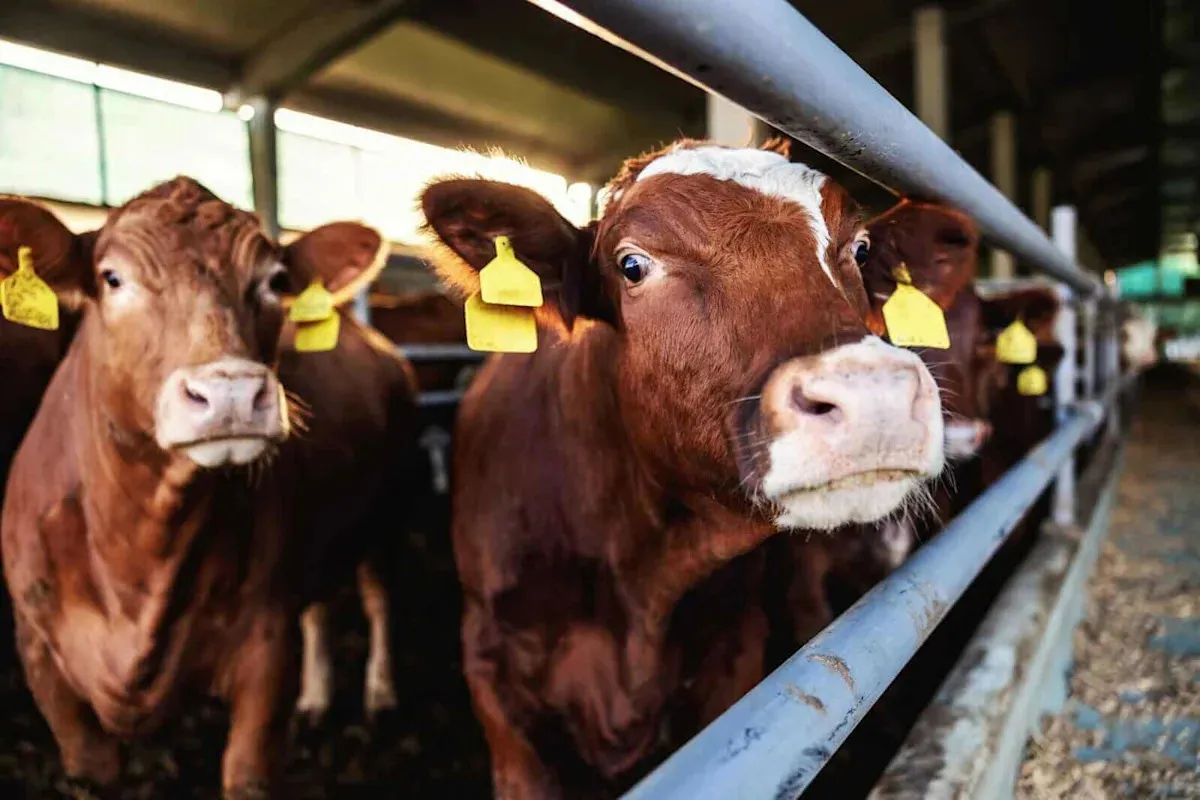
The cattle market is experiencing a notable resurgence as futures prices rise, reflecting a complex interplay of supply, demand, and market sentiment. In recent trading sessions, October live cattle futures surged by $6.725, while November feeder cattle futures increased by $5.40, both reaching significant multi-week highs. This bullish movement in cattle futures is noteworthy, especially considering the backdrop of fluctuating cash prices and broader economic indicators that could influence consumer behavior.
As we delve into the factors driving these price changes, it is essential to understand the dynamics at play within the livestock sector and how these fluctuations can impact everything from ranchers' profit margins to the prices consumers see at the grocery store.
Understanding Cattle Futures and Market Dynamics
Cattle futures are contracts to buy or sell cattle at a predetermined price at a specific future date. These futures are integral to the agricultural commodities market, allowing producers and investors to hedge against price fluctuations. In recent weeks, technical buying has driven both live and feeder cattle futures into bullish territory, indicating a growing optimism among traders.
The Role of Cash Cattle Prices
Despite the rise in futures prices, cash cattle prices have shown signs of stabilization after a recent dip. The USDA reported a modest average cash cattle trading price of $218.00, just slightly below the previous week's average of $219.06. This stability is crucial as it underpins the futures market, suggesting that while futures may be gaining momentum, cash prices must also reflect a similar trend for sustained growth.
Supply Constraints and Their Impact
One significant factor contributing to the bullish trend in cattle futures is the tight supply of cattle. Recent reports indicate that cattle slaughter levels are lower than expected, with 2026 beef output projected to decrease by about 4%. These supply constraints, coupled with heavier carcasses and above-average feedlot inventories, create a delicate balance that could support higher futures prices. However, the market must contend with external factors such as import quotas and competition from other protein sources, which could limit upward momentum.
The Economic Landscape and Consumer Confidence
The broader economic environment poses both challenges and opportunities for the cattle market. Recent inflation readings indicate persistent price pressures, leading analysts to anticipate a potential interest rate hike by the Federal Reserve. Historically, September and October are turbulent months for financial markets, which could affect consumer confidence and behavior at the meat counter.
Higher retail prices for beef, influenced by inflation and rising gasoline costs, may lead consumers to seek more economical protein options, such as pork. This shift in demand could impact not only the cattle market but also the broader agricultural landscape.
Lean Hog Futures: A Contrasting Story
In contrast to the bullish sentiment in the cattle market, lean hog futures have experienced a downturn, with October futures falling to $81.525, marking a decline of $1.625 last week. This drop reflects weak long liquidation from short-term speculators and a bearish outlook for the hog and pork markets as they head into autumn.
The CME lean hog index, currently at $87.94, remains higher than futures prices, indicating a disconnect that suggests traders are less optimistic about the hog market's immediate future. Despite some signs of tightening supplies due to lighter hog weights, the current slaughter levels remain substantial. For the hog market to rebound, it will require consistent demand and fewer kills.
Consumer Choices Amid Price Pressures
With retail beef prices at historically high levels, consumers are likely to reevaluate their meat purchasing decisions. Factors such as rising gasoline prices and anticipated interest rate hikes could further erode consumer confidence, leading to greater substitution demand for pork as a more affordable alternative. Retailers and producers alike must be aware of these shifting dynamics as they navigate the evolving landscape of consumer preferences.
Key Takeaways
- October live cattle futures rose significantly, reflecting bullish market trends.
- Cash cattle prices are stabilizing, crucial for supporting futures prices.
- Supply constraints are driving upward pressure on prices, but external factors could limit gains.
- Consumer confidence may wane due to economic pressures, influencing demand for beef.
- Lean hog futures are struggling, indicating a contrasting trend in the pork market.
Frequently Asked Questions
What factors influence cattle futures prices?
Cattle futures prices are influenced by a variety of factors including supply and demand dynamics, cash cattle prices, market sentiment, and broader economic conditions such as inflation and interest rates. A decrease in cattle slaughter and tighter supplies can lead to higher futures prices, while economic pressures can affect consumer demand and behavior.
How does the cattle market affect consumers?
The cattle market directly impacts consumer prices for beef. Fluctuations in cattle futures and cash prices can lead to changes in retail beef prices. As these prices rise, consumers may seek alternative protein sources, which can alter overall market demand and pricing strategies for various meat products.
What is the significance of technical buying in futures markets?
Technical buying refers to trading strategies based on chart patterns and market trends rather than fundamental factors. In the cattle market, technical buying can create upward momentum, leading to price increases as traders react to bullish patterns. This behavior can significantly influence short-term price movements, impacting both producers and investors.
How do external economic factors affect the livestock market?
External economic factors, such as inflation and interest rates, can profoundly impact the livestock market. Rising costs can reduce consumer confidence and spending, leading to lower demand for beef. Similarly, higher interest rates can increase borrowing costs for producers, potentially affecting their operational decisions and market participation.
Disclaimer: The content is educational, not financial advice.
Comments
Starbucks Initiated, Expedia Downgraded: Key Wall Street Moves Explained
Discover the latest Wall Street analyst calls as Starbucks receives coverage initiation while Expedia faces a downgrade. Explore how these changes impact investors.

Related articles






Popular in Investing
- Navigating the Dismal Landscape of 2026's Worst-Performing ETFs
- Navigating the Turbulent Waters of Energy Markets: A Deep Dive
- Stablecoin Market Faces $10 Billion Decline — What It Means for Investors
- Cotton Futures Surge Despite Increased Production Forecasts
- Avantus Secures $525 Million for Major California Solar Project