Market Movements Ahead of Fed Decision: Stocks and Crypto React
As the Federal Reserve prepares for a pivotal interest rate decision, U.S. stocks show mixed signals while cryptocurrencies face significant downturns. This article analyzes the implications of these market movements and what investors should consider.
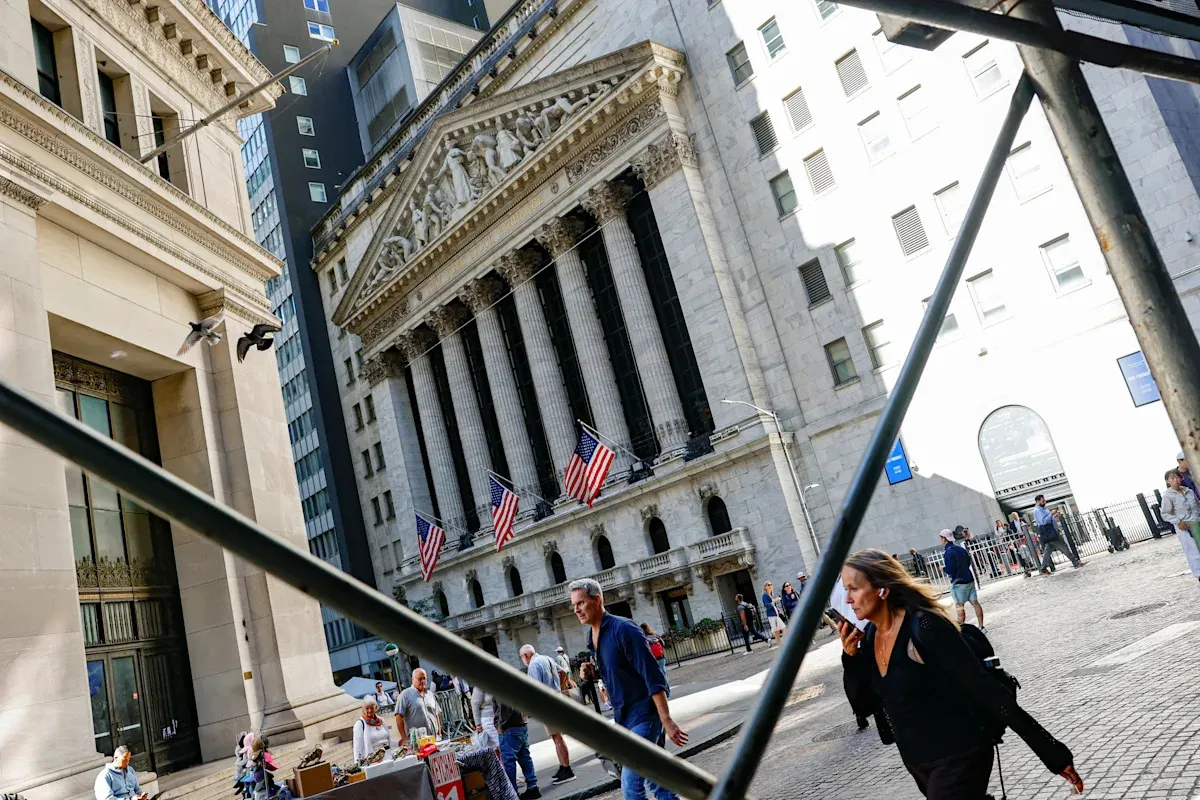
The U.S. stock market is experiencing fluctuations as investors gear up for a crucial decision from the Federal Reserve regarding interest rates. On Wednesday, September 16, 2026, the Dow Jones Industrial Average (DJIA) exhibited a slight decline, while the S&P 500 and Nasdaq Composite both recorded modest gains. The day's trading occurs against a backdrop of rising bond yields and persistent inflation concerns, with many traders anticipating the Fed's first rate hike in three years.
The anticipation surrounding the Federal Reserve's decision has created a palpable tension within financial markets. With a 93% probability according to CME Group data, analysts expect the Fed to increase interest rates, a move that could clash with political pressures from the White House. President Trump has been vocal about wanting lower rates to stimulate economic growth, raising questions about potential repercussions of the Fed's decision on economic policy.
Understanding the Market Responses
On the morning of the Fed's anticipated announcement, stock prices showed a mixed reaction:
- The S&P 500 rose by 0.2%, indicating a cautious optimism among investors.
- The Nasdaq Composite gained 0.4%, reflecting a potential rebound in technology stocks.
- The Dow Jones Industrial Average dipped slightly, illustrating the volatility in blue-chip stocks.
These movements come after a previous day of losses, highlighting the uncertainty that often accompanies major economic announcements. A bond sell-off has also contributed to rising 10-year Treasury yields, which, as of recent reports, have reached levels not seen since 2007. High bond yields typically signal expectations of inflation and can dampen stock market enthusiasm.

The Inflation Factor
One of the driving forces behind the Fed's decision on interest rates is the ongoing inflationary pressure affecting the economy. Recent reports indicated that oil prices have surged, with both Brent and WTI futures remaining above $100 per barrel. This increase in energy costs has raised concerns about inflation staying elevated, thereby complicating the Fed's policy decisions.
Additionally, the latest retail sales data from August revealed a surprising uptick of 1.2%, outpacing expectations of a mere 0.9% increase. This suggests that consumers are continuing to spend despite inflationary pressures. The resilience of consumer spending is crucial, especially with the holiday shopping season approaching, during which Americans are expected to spend approximately $708 on gifts, according to recent surveys.
The Crypto Dilemma
While stocks display mixed results, the cryptocurrency market is grappling with significant losses, particularly following a failed Senate vote on the Clarity Act. This legislation aimed to establish a regulatory framework for digital assets, which many in the industry believed would provide necessary clarity and attract institutional investments.
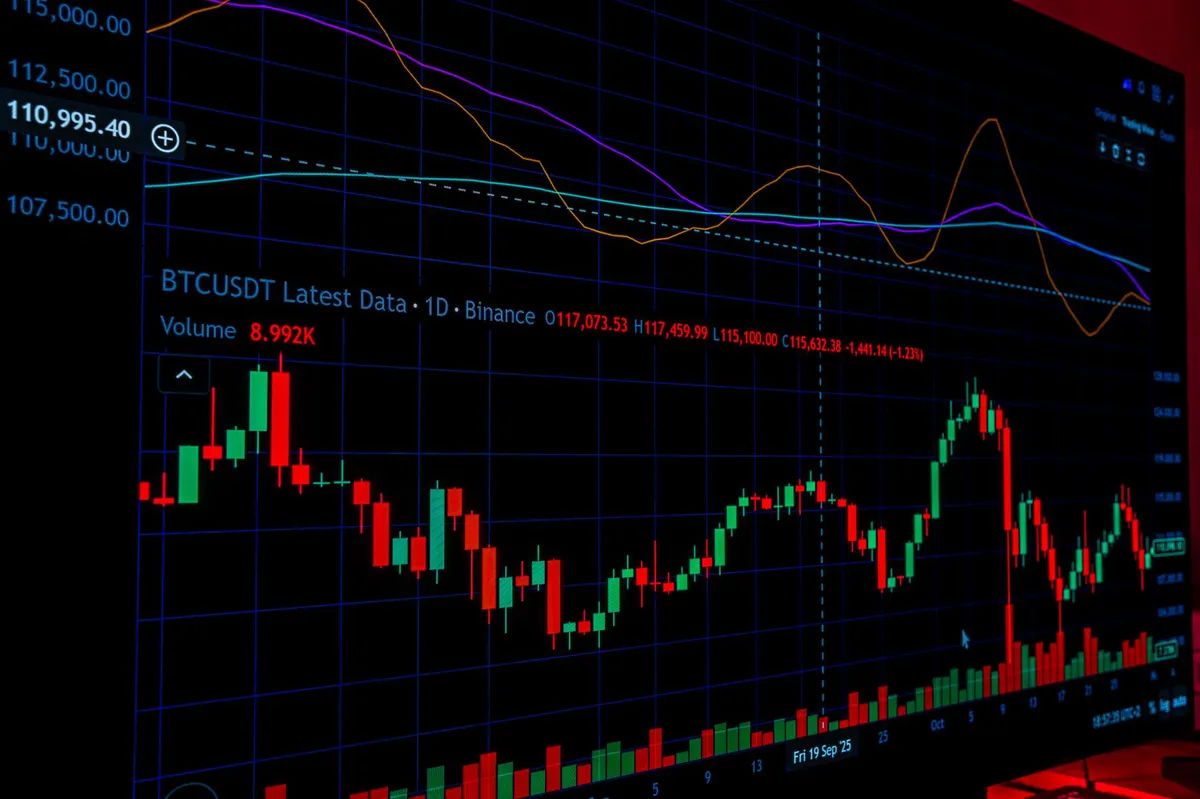
Bitcoin, the leading cryptocurrency, saw its price drop below $76,000 as hopes for regulatory progress faded. The implications of this setback extend beyond price declines; a lack of regulatory clarity can stifle innovation and investment in the crypto space.
Historical Context of Rate Hikes
Historically, the impact of Federal Reserve interest rate hikes on the stock market has been both immediate and nuanced. Market analysts have noted that the S&P 500 typically experiences a decline averaging 4% in the six weeks following the initial rate hike of a cycle. However, this downturn is often short-lived, with the index recovering its losses within several weeks. Looking further out, the average return for the S&P 500 is about 4% in the six months following a rate hike and a robust 9% after a year.
This historical perspective suggests that while immediate reactions may cause volatility, the long-term outlook remains positive for investors who maintain their positions through the initial turbulence. It underscores the importance of having a long-term investment strategy rather than reacting impulsively to short-term market fluctuations.
Key Takeaways
- The Federal Reserve is expected to announce an interest rate hike, impacting both stocks and bonds.
- Rising oil prices and inflation concerns are central to the Fed's decision-making process.
- Consumer spending remains strong, with retail sales surpassing expectations in August.
- The cryptocurrency market faces challenges following the failure of the Clarity Act, leading to significant price drops.
- Historically, rate hikes lead to short-term market volatility but can present long-term buying opportunities.
Frequently Asked Questions
What is the significance of the Federal Reserve's interest rate decision?
The Federal Reserve's interest rate decision is significant because it influences borrowing costs, consumer spending, and overall economic growth. An interest rate hike generally aims to control inflation by making borrowing more expensive, which can slow down consumer spending and investment. Conversely, lower rates are intended to stimulate economic activity. The balance the Fed strikes impacts various sectors, including housing, consumer credit, and business investment.
How do rising bond yields affect the stock market?
Rising bond yields can have a mixed effect on the stock market. When bond yields increase, they often lead to higher borrowing costs for companies, which can reduce profit margins and slow down growth. Additionally, higher yields make bonds more attractive compared to stocks, which can lead to shifts in investment strategies. However, if the bond yields increase due to strong economic growth, it may also indicate confidence in the market, which can support stock prices in the long run.
What does the failure of the Clarity Act mean for cryptocurrencies?
The failure of the Clarity Act means that there is still a lack of regulatory clarity for the cryptocurrency market. This absence of a defined regulatory framework can hinder institutional investment and innovation within the sector. Without clear guidelines, companies may face uncertainty, which can lead to decreased investments and market volatility. The longer the uncertainty persists, the more challenging it may become for cryptocurrencies to gain mainstream acceptance and stability.
Should investors be concerned about short-term market fluctuations?
Investors should approach short-term market fluctuations with caution but not panic. It is essential to maintain a long-term perspective and focus on fundamental investment strategies rather than reacting emotionally to market volatility. Historical trends suggest that markets tend to recover from short-term declines, and these periods can often provide buying opportunities for those willing to invest for the long haul.
This content is educational, not financial advice.
Comments
Starbucks Initiated, Expedia Downgraded: Key Wall Street Moves Explained
Discover the latest Wall Street analyst calls as Starbucks receives coverage initiation while Expedia faces a downgrade. Explore how these changes impact investors.

Related articles







Popular in Investing
- Navigating the Dismal Landscape of 2026's Worst-Performing ETFs
- Navigating the Turbulent Waters of Energy Markets: A Deep Dive
- Stablecoin Market Faces $10 Billion Decline — What It Means for Investors
- Cotton Futures Surge Despite Increased Production Forecasts
- Avantus Secures $525 Million for Major California Solar Project