Beyond the 60/40 Portfolio: Exploring Direct Energy Investments
The traditional 60/40 investment strategy is evolving. Discover how direct energy investments can enhance diversification and offer unique benefits, including tax advantages.

For decades, the 60/40 portfolio—allocating 60% of investments in stocks and 40% in bonds—has served as a cornerstone strategy for American investors seeking a balance of growth and stability. However, as the financial landscape evolves, so too must our investment strategies. With the rise of alternative assets like direct energy investments, many investors now face an intriguing question: Is it time to refuel your portfolio by incorporating assets beyond traditional stocks and bonds?
In recent years, high-net-worth individuals, family offices, and financial advisors have increasingly turned toward private credit, real estate, and direct energy investments. These alternatives not only enhance diversification but also tap into different economic drivers that may not correlate with traditional markets. In this article, we will explore the benefits and considerations of direct energy investing, and how it can play a vital role in a well-rounded investment strategy.
The Limitations of the Traditional 60/40 Portfolio
The 60/40 portfolio has long been praised for its simplicity and effectiveness. In theory, it combines the growth potential of stocks with the income and stability of bonds. However, as economic conditions change—such as rising interest rates and inflation—investors have learned that stocks and bonds can decline simultaneously. For instance, during the turbulent market conditions of 2022, both asset classes faced downward pressure, forcing investors to reassess the efficacy of their strategies.
To truly achieve diversification, it's critical to understand the underlying forces that drive asset values. Stocks and bonds often respond to similar economic indicators, meaning they may not provide the insulation investors hope for during market downturns. Thus, expanding one's investment horizon to include alternative assets can mitigate risks associated with market volatility.

Understanding Direct Energy Investments
Direct energy investments offer a unique opportunity to participate in the development, production, and sale of energy resources, such as oil and gas. Unlike investing in publicly traded energy companies, which are influenced by broader market sentiment and economic conditions, direct investments allow investors to engage more closely with the underlying commodities themselves.
How Direct Energy Works
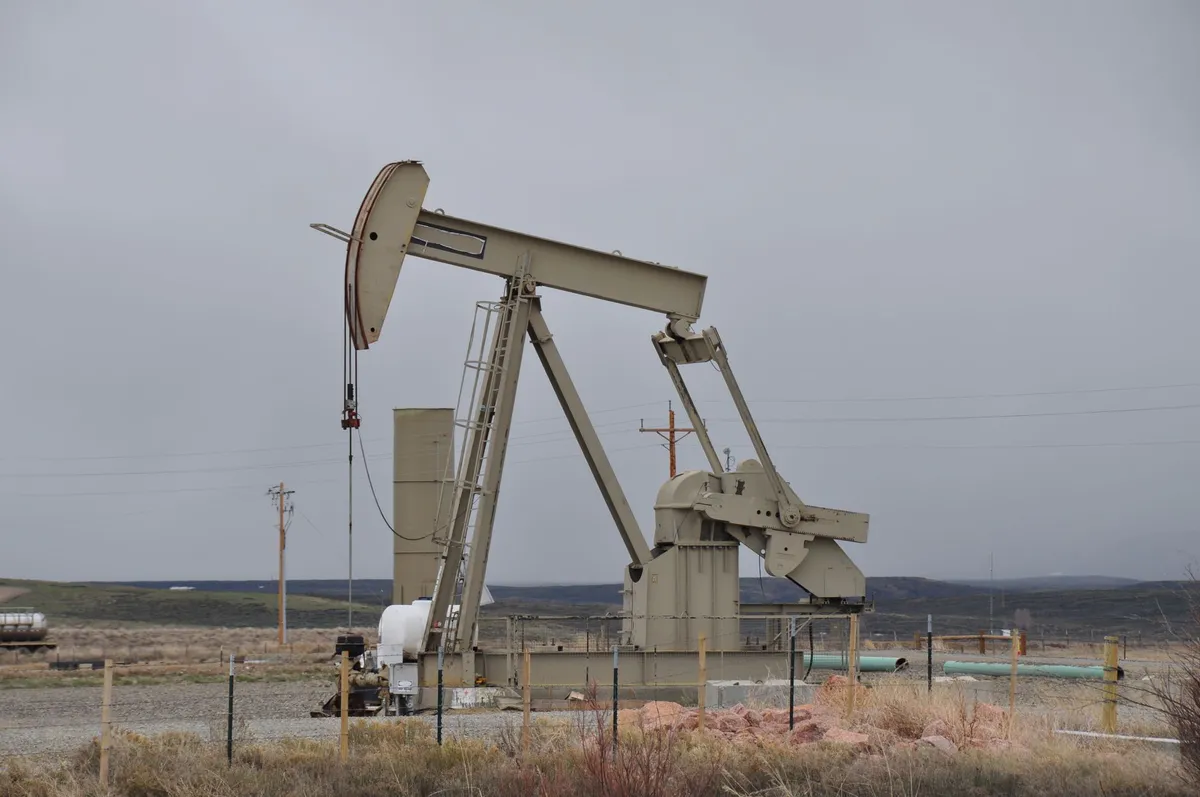
When investing directly in energy, capital is utilized to acquire land, drill wells, and develop energy resources. This approach can lead to multiple layers of value creation. For example, a successful oil well can yield immediate cash flow, while also increasing the value of undeveloped reserves and providing potential future production opportunities.
Additionally, the process of drilling and producing energy can be viewed as a value-creation mechanism rather than a mere expenditure. The more data collected during the drilling process, the better investors can assess the value of their assets. This hands-on approach can be a major advantage in a capital-intensive industry where understanding geology and production capabilities is crucial.
The Demand for Energy: An Ever-Present Factor
The global economy relies heavily on energy for transportation, manufacturing, agriculture, and more. As existing oil and gas wells naturally deplete, the need for new investments in energy resources becomes increasingly vital. This demand creates a compelling investment opportunity, as energy production is not merely a theoretical concept; it is a necessity for daily operations across various sectors.
Investors who recognize the long-term demand for energy and are willing to engage with the associated risks can find attractive opportunities in direct energy investments. The capital-intensive nature of this industry means that continuous investment is needed to maintain and grow production levels, which can yield substantial returns for those who are patient and well-informed.
Tax Advantages of Direct Energy Investments
Another attractive feature of direct oil and gas investments is the potential for significant tax advantages. Depending on the investment structure and individual tax circumstances, investors may qualify for deductions on various drilling and development expenses, such as intangible drilling cost deductions and depletion allowances over time. These tax benefits can enhance the overall return on investment and should be factored into any investment decision.
However, it is essential to approach these investments with caution. While tax considerations can be enticing, they should not be the sole reason for making an investment. Investors should first ensure that the underlying assets, the operator, and the development plan are sound before considering the tax implications. Consulting with a tax professional is advisable to navigate the complexities of these potential benefits.
Evaluating Direct Energy Opportunities
When considering direct energy investments, due diligence is vital. Investors should focus on the quality of the assets and the experience of the operators involved. Here are some key factors to assess:
- Asset Quality: Understand what resources are available and the geological implications.
- Operator Experience: Evaluate the track record of the operators in drilling and production.
- Development Plan: Analyze how capital will be deployed and milestones that are expected.
- Production History: Look for existing production data and successes in nearby wells.
These considerations can provide more insight than simply relying on projected returns. An experienced operator can explain the strategy behind capital deployment, identify risks, and outline how value will be created over time.

Key Considerations for Investors
Investing in direct energy is not without its challenges. It typically requires a longer investment horizon and may come with higher risks compared to traditional investments. Investors should be prepared for illiquidity, as these investments are usually private and may not offer the ease of selling that public securities do. Additionally, potential regulatory changes and market fluctuations can impact returns.
However, for those who are willing to engage with the complexities of direct energy investments, the potential rewards can be significant. By diversifying beyond the traditional 60/40 portfolio, investors can gain exposure to an essential segment of the economy that is both tangible and potentially lucrative.
Key Takeaways
- The traditional 60/40 portfolio may not provide sufficient diversification in today's economic climate.
- Direct energy investments allow investors to engage more closely with tangible assets, potentially enhancing returns.
- Investors should consider the unique tax advantages that direct energy investments can offer.
- Due diligence is critical when evaluating direct energy opportunities, focusing on asset quality and operator experience.
- Understanding the risks and time horizons associated with direct energy investments is essential for success.
Frequently Asked Questions
What are direct energy investments?
Direct energy investments involve investing capital into the acquisition, development, and production of energy resources, such as oil and gas. Unlike investing in publicly traded energy companies, direct investments allow investors to participate closely in the underlying commodities, potentially leading to greater returns and the opportunity for tax advantages.
How do direct energy investments enhance diversification?
Direct energy investments can enhance diversification by providing exposure to assets that are less correlated with traditional stock and bond markets. This can help reduce portfolio volatility and improve overall investment performance, especially during periods of economic uncertainty.
What should investors consider before investing in direct energy?
Investors should evaluate the quality of the underlying assets, the experience of the operators, and the specific development plans for the investment. Additionally, it is essential to understand the potential risks, tax implications, and the longer investment horizon typically associated with direct energy investments.
Are there tax benefits associated with direct energy investments?
Yes, direct energy investments may offer various tax advantages, including deductions for intangible drilling costs and depletion allowances. These tax benefits can enhance the overall economics of the investment, but it is crucial to consult with a tax professional to fully understand how these provisions may apply to individual circumstances.
Disclaimer: This content is educational and not financial advice.
Comments
Starbucks Initiated, Expedia Downgraded: Key Wall Street Moves Explained
Discover the latest Wall Street analyst calls as Starbucks receives coverage initiation while Expedia faces a downgrade. Explore how these changes impact investors.

Related articles







Popular in Investing
- Navigating the Dismal Landscape of 2026's Worst-Performing ETFs
- Navigating the Turbulent Waters of Energy Markets: A Deep Dive
- Stablecoin Market Faces $10 Billion Decline — What It Means for Investors
- Cotton Futures Surge Despite Increased Production Forecasts
- Avantus Secures $525 Million for Major California Solar Project