Brinker International: Jim Cramer's Confidence and the Road Ahead
Jim Cramer praises Brinker International for its resilience and growth, highlighting recent fiscal successes and the challenges that lie ahead. This article explores the company's performance, market dynamics, and investment potential.

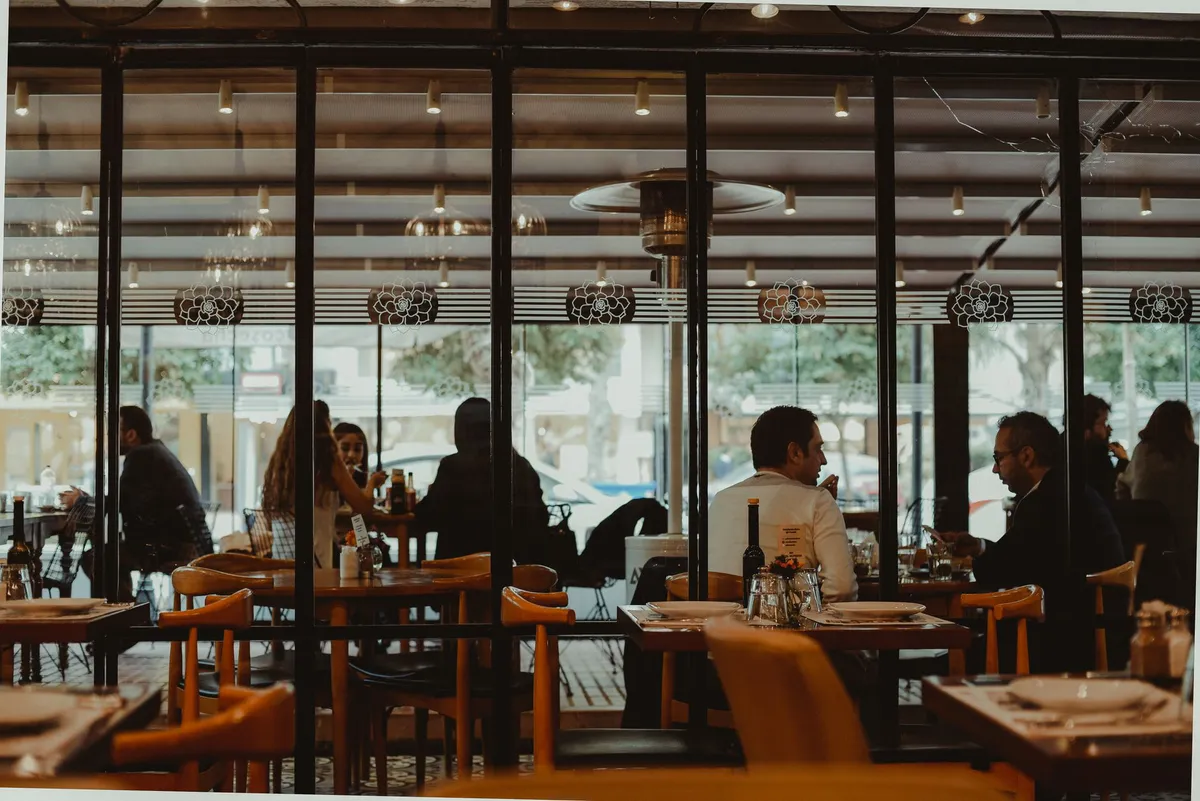
In the ever-volatile world of dining and entertainment, some companies manage to stand out, and Brinker International, Inc. (NYSE:EAT) is one of them. Recently, financial commentator Jim Cramer expressed his unwavering confidence in the company during an episode of Mad Money. With the restaurant industry facing myriad challenges, Cramer's optimism raises questions about what makes Brinker a standout player in this competitive market. This article delves into Brinker's recent fiscal performance, the dynamics of consumer behavior, and the potential challenges that lie ahead.
Brinker's Impressive Fiscal Performance
Brinker International, which operates popular dining establishments like Chili's Grill & Bar, has shown remarkable resilience and growth amid the complexities of the restaurant sector. For the fourth quarter of fiscal 2026, Brinker reported total revenues of $1.54 billion, pushing its annual revenues to an impressive $5.81 billion. This growth trajectory was supported by several key factors that have kept the company ahead of its competitors.
Key Growth Drivers
One of the hallmarks of Brinker's recent success has been its ability to innovate its menu to attract and retain customers. The company has leveraged promotions such as the $10.99 "3 for Me" everyday value platform, which has been instrumental in driving traffic to its restaurants. Additionally, the introduction of the Big Crispy Chicken Sandwich has resonated well with consumers, allowing Brinker to compete effectively against fast-food chains.
Challenges on the Horizon
Despite its robust performance, Brinker faces significant headwinds that could impact its future growth. The ongoing issue of cost inflation is a primary concern. Rising wholesale costs for essential commodities—particularly beef and produce—are squeezing profit margins. This inflationary pressure is compounded by increasing labor costs driven by wage growth across various regions, making it crucial for Brinker to strategically manage its expenses.
Market Pressures and Consumer Behavior
Consumer spending habits are also evolving, creating additional challenges for restaurant operators. The current economic landscape has seen a shift toward value-oriented dining, where consumers are increasingly drawn to lower-priced menu items. This trend poses a risk for Brinker, particularly if it leads to a decrease in profitability from higher-margin items. Furthermore, the competitive landscape is intensifying, with both casual dining and quick-service restaurants vying for market share, which limits price flexibility for companies like Brinker.
The Institutional Investor Perspective
From the investment standpoint, Brinker International has captured the attention of institutional investors, albeit with some caution. According to recent data, 48 hedge funds held stakes in Brinker as of Q2, a slight decrease from the previous quarter. This decline may indicate a shift in sentiment among institutional investors regarding the stock's potential for growth.
Short Interest Dynamics
The short interest in Brinker is another area of concern. Currently, the short percent of float sits at 13.55%, suggesting that some investors are betting against the stock. This elevated level of scrutiny from short-sellers adds a layer of complexity to Brinker's investment thesis, as it reflects a lack of confidence among certain market participants.
Brinker's Competitive Position and Future Outlook
Despite facing these challenges, Brinker's ability to achieve consistent same-store sales growth is noteworthy. The company has successfully recorded positive same-store sales for 21 consecutive quarters, a feat that speaks to its operational strength and effective management strategies. If Brinker can sustainably convert value-driven traffic into margins, it stands to solidify its position in the restaurant industry further.
Comparative Investment Opportunities
While Jim Cramer remains optimistic about Brinker's potential as an investment, he also suggests that certain stocks, particularly in the AI sector, may offer more substantial upside with less associated risk. Investors should weigh Brinker's prospects against these alternatives, considering the broader market landscape and potential for growth in other sectors.

Key Takeaways
- Brinker International reported revenues of $1.54 billion in Q4 2026, with annual revenues reaching $5.81 billion.
- The company has experienced 21 consecutive quarters of positive same-store sales growth.
- Cost inflation and shifts in consumer behavior present significant challenges for Brinker moving forward.
- Institutional investor interest is cautious, with a slight decline in hedge fund holdings.
- Jim Cramer suggests exploring other investment opportunities, particularly in the AI sector, for potentially higher returns.
Frequently Asked Questions
What factors are contributing to Brinker's revenue growth?
Brinker's revenue growth can be attributed to several factors, including successful promotional strategies like the "3 for Me" value platform and the introduction of popular menu items such as the Big Crispy Chicken Sandwich. These initiatives have not only attracted new customers but have also encouraged repeat visits, driving overall sales higher.
How does cost inflation affect Brinker's profitability?
Cost inflation impacts Brinker's profitability by increasing the prices of essential ingredients and labor. As wholesale prices for commodities like beef and produce rise, the company's operating costs escalate, which can lead to thinner profit margins if these costs cannot be passed on to consumers through menu price increases.
What is Jim Cramer's outlook on Brinker International?
Jim Cramer has expressed a positive outlook on Brinker International, noting its consistent performance and ability to innovate. He believes that the company's upcoming analyst presentation will further underscore its strengths, although he also acknowledges the potential risks posed by market competition and consumer spending habits.
Should investors consider Brinker as a viable investment option?
Investors should consider Brinker's strong operational performance and consistent sales growth when evaluating its viability as an investment option. However, they should also weigh the risks associated with cost inflation and competitive pressures. Diversifying their investment portfolio to include other sectors may also be wise, especially in light of Cramer's recommendations regarding AI stocks.
This content is educational, not financial advice.
Comments
Starbucks Initiated, Expedia Downgraded: Key Wall Street Moves Explained
Discover the latest Wall Street analyst calls as Starbucks receives coverage initiation while Expedia faces a downgrade. Explore how these changes impact investors.
Related articles






Popular in Investing
- Navigating the Dismal Landscape of 2026's Worst-Performing ETFs
- Navigating the Turbulent Waters of Energy Markets: A Deep Dive
- Stablecoin Market Faces $10 Billion Decline — What It Means for Investors
- Cotton Futures Surge Despite Increased Production Forecasts
- Avantus Secures $525 Million for Major California Solar Project