Robert Kiyosaki Predicts Historic Economic Crash: Are You Prepared?
Robert Kiyosaki, author of 'Rich Dad Poor Dad,' warns that a significant economic crash has begun, urging investors to pivot their strategies to avoid financial ruin. This article explores his predictions and offers guidance on how to safeguard your investments.
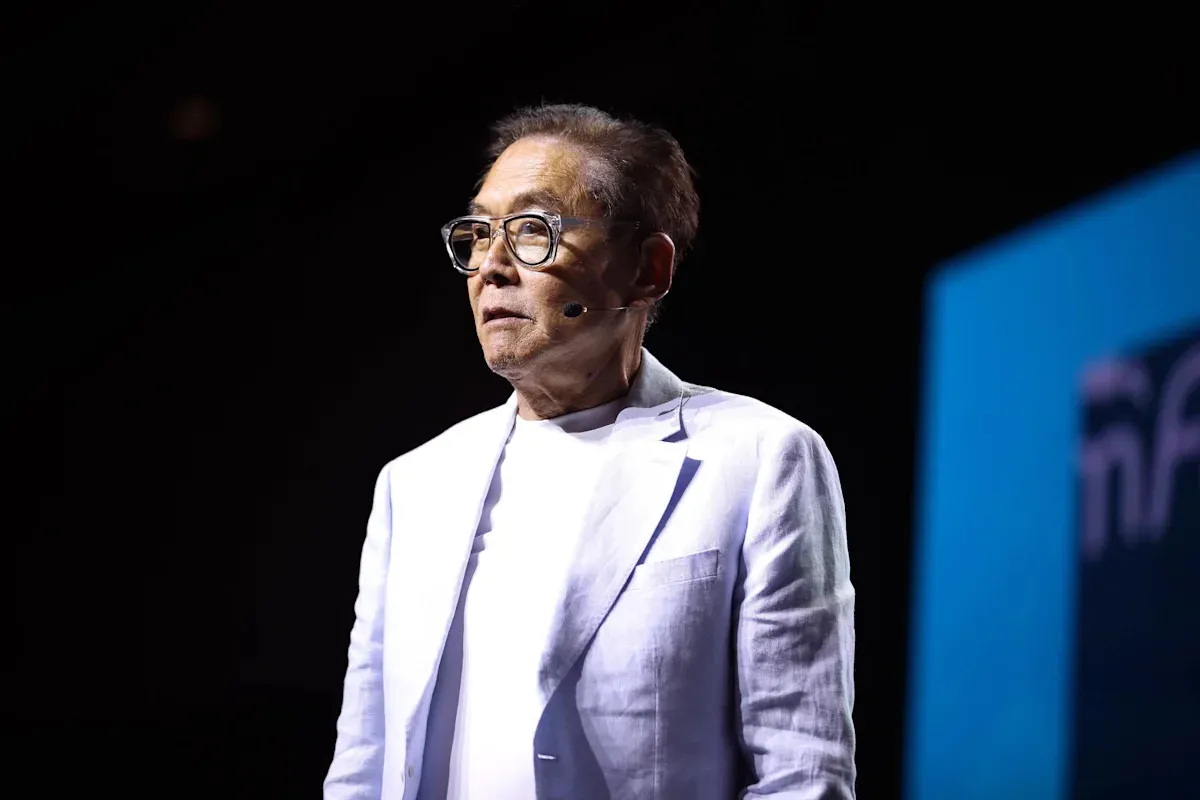
The financial landscape is shifting dramatically, according to Robert Kiyosaki, the acclaimed author of 'Rich Dad Poor Dad.' In a stark message shared on social media, he declared that the "biggest crash in history has started." This warning is not new for Kiyosaki; he has been cautioning investors about the potential for a significant economic downturn since the publication of his book 'Rich Dad's Prophecy' in 2002. Now, he believes the time has come to face the consequences of financial negligence. The turbulence in Europe and Japan, which he describes as the opening act of a global downturn, serves as a stark reminder of the interconnectedness of today's financial markets.
Kiyosaki's predictions come at a time when many American investors are heavily reliant on traditional retirement accounts, such as 401(k)s and IRAs. For those over 40, he warns, the implications could be dire unless proactive measures are taken. As geopolitical tensions rise, particularly with the ongoing war in Iran, and as the Baby Boomer generation begins to retire en masse, the economic landscape becomes increasingly precarious. This article dives deep into Kiyosaki's predictions, the factors contributing to the predicted crash, and how individuals can adapt to safeguard their financial futures.
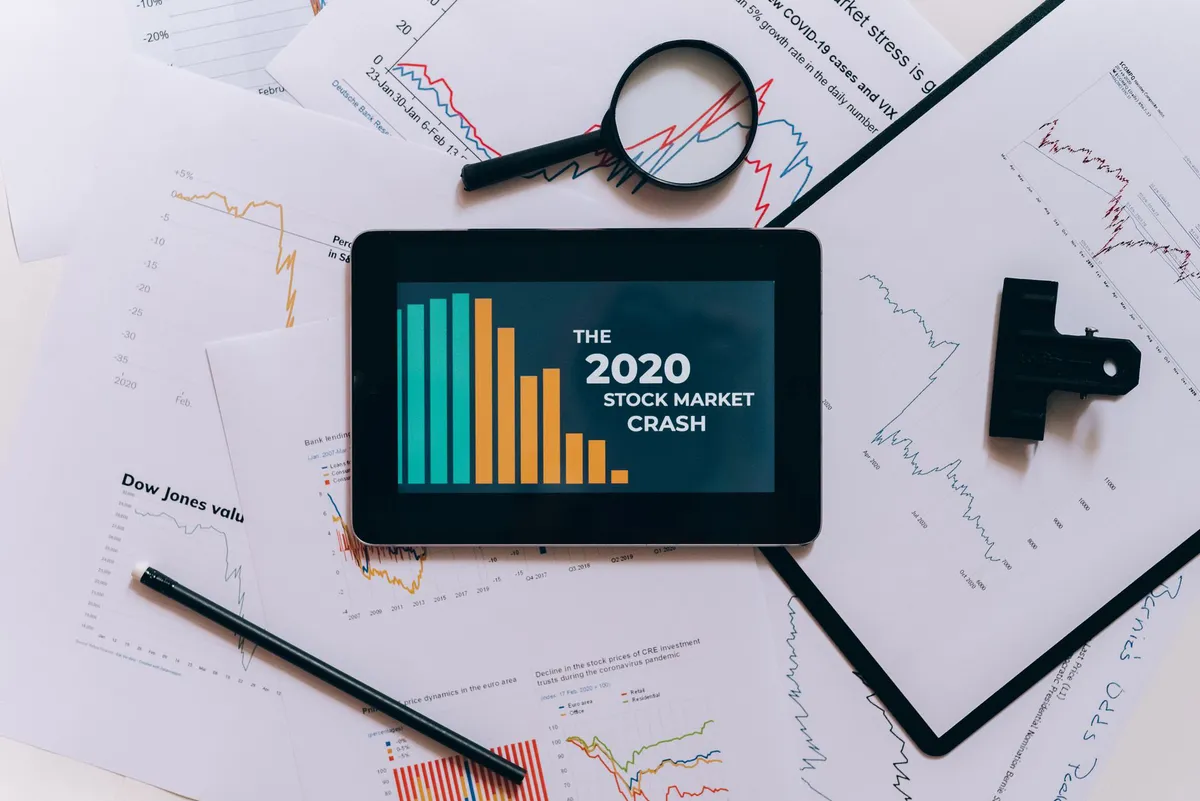
The Factors Behind Kiyosaki's Predictions
Kiyosaki identifies several key factors driving the impending economic crash, each contributing to a financial environment that could be detrimental for unprepared investors. Below are the primary elements he cites:
- AI Mania: The rapid adoption of artificial intelligence technologies has created both opportunities and volatility in the markets.
- Geopolitical Tensions: Ongoing conflicts, particularly in the Middle East, add uncertainty and risk to global markets.
- Excessive Debt Levels: High levels of personal and national debt can lead to economic instability.
- Baby Boomer Retirement: As this generation retires, the strain on social security and pensions could lead to market fluctuations.
Lessons from the Great Depression
Kiyosaki draws a parallel between the current economic climate and the Great Depression, which lasted from 1929 to 1954. During that period, some families, like the Kennedys, were able to leverage the economic downturn to build wealth, while many others suffered. His message is clear: preparation and education are key. In his view, those who understand the market dynamics and act accordingly will fare better than those who remain passive.
Understanding Economic Cycles
Economic cycles are a natural part of the financial landscape. They consist of periods of expansion followed by contraction. Understanding where we are in the cycle can help investors make informed decisions. The current signs suggest we may be entering a contraction phase, making it crucial for investors to reassess their portfolios and strategies.

Kiyosaki's Investment Strategies
To navigate the impending economic storm, Kiyosaki advocates for a shift in investment strategy away from traditional cash and paper assets. Here are the four key asset classes he recommends:
- Gold: Seen as a safe-haven asset, gold tends to retain value during economic downturns.
- Silver: Similar to gold, silver can act as a hedge against currency devaluation.
- Bitcoin: Kiyosaki views Bitcoin as a long-term hedge rather than a short-term investment, despite its volatility.
- Income-Generating Real Estate: Properties that provide consistent rental income can offer stability in uncertain times.
According to Kiyosaki, these assets typically appreciate in value when the dollar depreciates, making them attractive options for investors looking to protect their wealth.
The Role of Central Banks and Inflation
Kiyosaki is critical of central banks, which he believes will respond to economic challenges by engaging in quantitative easing (QE)—a process where central banks inject money into the economy to stimulate growth. He argues that this tactic often leads to inflation, eroding the purchasing power of cash savings. His concern is that the Dollar Index (DXY), which measures the value of the US dollar against a basket of foreign currencies, is a critical indicator to watch. A declining DXY signals that every dollar saved will buy less in the future, making it imperative for investors to consider alternative assets.
Preparing for the Future
Kiyosaki emphasizes the importance of financial education as a form of self-defense against economic downturns. He argues that the time and money spent on acquiring financial knowledge is not an expense but an investment in one's future. By understanding market trends, asset classes, and financial instruments, individuals can make informed decisions that align with their financial goals.

Key Takeaways
- Kiyosaki predicts a significant economic crash driven by geopolitical tensions, excessive debt, and the aging population.
- He suggests investors pivot to hard assets like gold, silver, Bitcoin, and income-generating real estate.
- Central banks' strategies may exacerbate inflation and reduce the purchasing power of cash savings.
- Education is critical in navigating financial markets and making informed investment decisions.
Frequently Asked Questions
What should I do if I have a 401(k) or IRA?
If you have a 401(k) or IRA, it is essential to reassess your investment strategy in light of Kiyosaki's warnings. Consider diversifying your portfolio by including assets that can withstand economic downturns, such as gold or real estate. Additionally, consult with a financial advisor to explore options for reallocating your investments to minimize risk.
How can I protect my savings against inflation?
To protect your savings against inflation, consider investing in assets that typically appreciate over time. Kiyosaki advocates for precious metals like gold and silver, as well as cryptocurrencies like Bitcoin. These investments can provide a hedge against the eroding value of cash and offer potential for growth.
Is it too late to change my investment strategy?
While timing the market can be challenging, it is never too late to change your investment strategy. Taking proactive steps to educate yourself on market dynamics and diversifying your portfolio can help mitigate risks associated with economic downturns. The sooner you start, the better prepared you will be.
How can I start my financial education?
Starting your financial education can be as simple as reading books, attending seminars, or enrolling in online courses focused on personal finance and investing. Look for resources that cover topics such as asset allocation, market cycles, and wealth-building strategies. Engaging with financial communities, whether online or in-person, can also provide valuable insights and networking opportunities.
This article is for educational purposes only and should not be considered financial advice.
Comments
Starbucks Initiated, Expedia Downgraded: Key Wall Street Moves Explained
Discover the latest Wall Street analyst calls as Starbucks receives coverage initiation while Expedia faces a downgrade. Explore how these changes impact investors.

Related articles




Popular in Investing
- Navigating the Dismal Landscape of 2026's Worst-Performing ETFs
- Navigating the Turbulent Waters of Energy Markets: A Deep Dive
- Stablecoin Market Faces $10 Billion Decline — What It Means for Investors
- Cotton Futures Surge Despite Increased Production Forecasts
- Avantus Secures $525 Million for Major California Solar Project