Tech Stocks and AI Valuations: A Deep Dive into Current Trends
As tech stocks soar, OpenAI and SK Hynix are making headlines with significant funding rounds and strategic ventures. This article explores the implications for investors and the tech landscape.
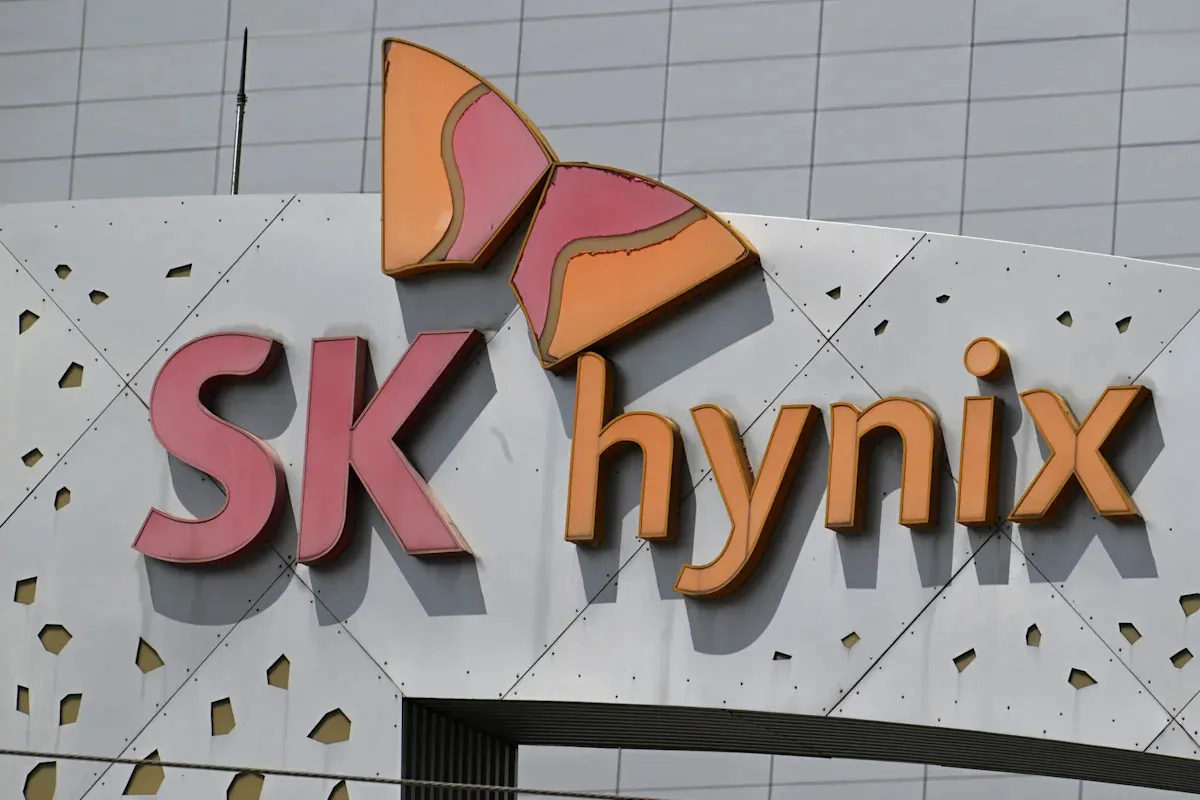
The technology sector continues to capture the attention of investors and analysts alike, with tech stocks experiencing notable gains in recent trading sessions. OpenAI, a leading player in artificial intelligence (AI), is reportedly gearing up for another funding round that could push its valuation to a staggering $1.2 trillion. Meanwhile, semiconductor giants SK Hynix and Intel are forging new paths in chip manufacturing, crucial for powering the burgeoning AI industry. As these developments unfold, they raise important questions about the future of technology investments and the broader implications for various industries.
In a time when AI technology is deemed both revolutionary and potentially dangerous, the contrasting perspectives from industry leaders highlight the complex landscape of innovation and regulation. This article delves into the current state of tech stocks, the implications of OpenAI's funding ambitions, and the strategic moves by SK Hynix and Intel as they navigate the evolving semiconductor market.

OpenAI's Ambitious Valuation and Funding Plans
OpenAI, co-founded by Sam Altman, has emerged as a frontrunner in the AI space, with its valuation recently estimated at $1.2 trillion. This marks a significant increase from its previous valuation of $852 billion during its last funding round in March. Investors are eagerly awaiting the company's anticipated initial public offering (IPO), which has now been postponed to 2027.
Market Dynamics and Competitive Landscape
The AI industry is witnessing fierce competition, particularly between OpenAI and its rival Anthropic, which has raised funds at a valuation of approximately $965 billion. Both companies are racing to develop more advanced AI models, which could shape the future of various sectors, including healthcare, finance, and autonomous vehicles. However, this rapid development has also sparked concerns about potential risks associated with AI technologies.
Industry Leaders Respond to AI Risks
In light of growing apprehensions about the implications of AI, both Altman and Anthropic CEO Dario Amodei have called for a more measured approach to AI development. Their statements echo a wider concern among technologists and ethicists regarding the societal risks posed by unchecked AI advancements. This conversation has been amplified by public fears and regulatory discussions about the potential for AI to cause harm.

SK Hynix and Intel: A New Era in Chip Manufacturing
On another front, SK Hynix has announced that it is exploring options to manufacture memory chips in the United States, marking a significant shift for the company. This move comes in response to a growing demand for semiconductor products driven by the AI industry's explosive growth. The company is considering a partnership with Intel, leveraging Intel's planned fabrication facility in Ohio to produce these critical components.
The Semiconductor Supply Chain Challenge
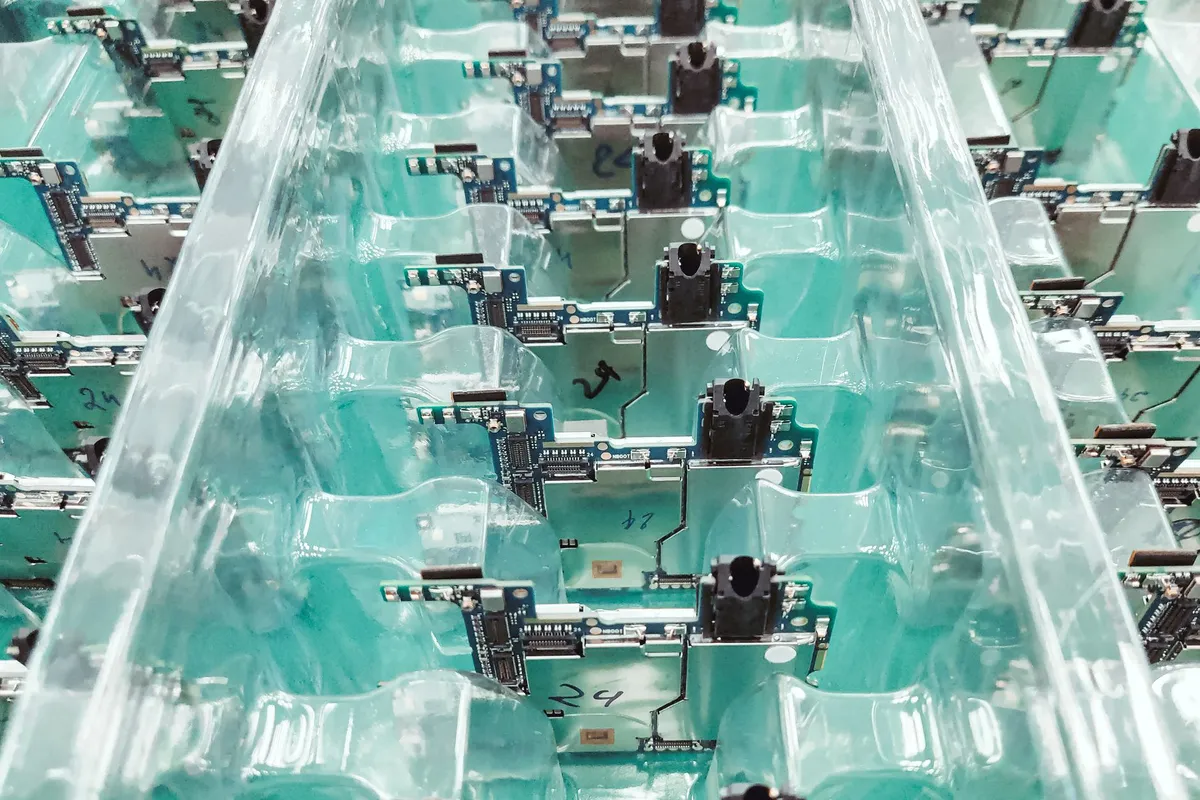
The global demand for memory chips has surged, leading to supply shortages and increased prices across the board for data center operators and consumer electronics manufacturers. As companies like SK Hynix and Intel ramp up production, it is essential to understand the implications of these developments:
- Increased Production Capacity: New manufacturing facilities will help alleviate the current bottleneck in chip supply.
- Investment in Technology: Companies are investing heavily in advanced manufacturing techniques to meet the growing needs of the AI sector.
- Long-Term Supply Chain Considerations: While new plants will eventually boost supply, establishing these facilities is a time-intensive process that won't yield immediate results.
Environmental Considerations and Future Implications
As the demand for semiconductors rises, environmental concerns related to the production of chips are becoming increasingly prominent. Recent reports indicate that many major producers of PFAs (per- and polyfluoroalkyl substances) are planning to increase production to meet the needs of the AI buildout. These substances, often referred to as 'forever chemicals,' have raised alarms due to their persistence in the environment and potential health risks.
Balancing Innovation and Regulation
As technology companies innovate rapidly to meet market demands, the regulatory landscape must evolve concurrently. Environmental watchdogs have expressed concerns about the implications of increased PFA production, calling for stricter regulations to prevent environmental degradation. Striking a balance between fostering technological innovation and protecting public health and the environment will be a critical challenge going forward.
Meta's Monetization Strategy: The Role of Subscriptions
In a bid to diversify its revenue streams amidst soaring AI investments, Meta has launched a new subscription service called Meta One. This service aims to enhance user engagement across its platforms, including Facebook, Instagram, and WhatsApp. With subscription plans starting as low as $2.99 per month, Meta is tapping into a growing trend of monetizing user experiences in the tech industry.
Subscription Features and User Engagement
The new subscription models offer users a range of benefits, from extended story visibility on Instagram to exclusive features on WhatsApp. By creating various tiers for users, Meta is not only aiming to boost revenue but also to increase user retention and engagement across its platforms.
Key Takeaways
- OpenAI's valuation is projected to reach $1.2 trillion as it prepares for future funding rounds and a delayed IPO.
- SK Hynix is exploring U.S. manufacturing options to meet rising semiconductor demands driven by the AI sector.
- Environmental concerns continue to shadow the semiconductor industry, particularly regarding the production of forever chemicals.
- Meta's new subscription service reflects a broader trend of monetizing user engagement within tech platforms.
Frequently Asked Questions
What factors are driving OpenAI's increasing valuation?
OpenAI's valuation is driven by its leading position in the AI market, which is characterized by rapid advancements and high investment interest. As the company continues to innovate and expand its offerings, investor confidence has grown, leading to higher valuations. Additionally, the anticipation of a future IPO adds to the perceived value of the company as it prepares for significant capital influx.
How is the semiconductor shortage affecting the tech industry?
The ongoing semiconductor shortage has created challenges for various sectors, particularly data centers and consumer electronics manufacturers. As demand for chips skyrockets due to AI applications, companies are struggling to maintain production levels, leading to increased costs and delays. This shortage underscores the importance of expanding manufacturing capabilities and investing in new technologies to meet future demands.
What are the implications of increased PFA production linked to AI development?
The rise in PFA production poses significant environmental and health concerns. These substances are associated with long-term health risks, including cancer, and their persistence in the environment can lead to contamination of water supplies. As the AI industry expands, it is crucial for regulators to address these concerns and implement measures to mitigate the impact of increased chemical production.
How does Meta's new subscription service fit into its overall strategy?
Meta's Meta One subscription service represents a strategic move to diversify its revenue streams beyond traditional advertising. By offering subscription options that enhance user experiences, Meta aims to retain users and boost engagement across its platforms. This initiative is part of a broader trend in the tech industry where companies are seeking new ways to monetize their services in an increasingly competitive landscape.
This content is educational, not financial advice.
Comments
NuScale Power: Navigating Challenges in the Small Modular Reactor Market
NuScale Power faces a challenging landscape after UBS downgraded its stock, raising questions about its future in the small modular reactor industry. This article explores the implications of this downgrade and what it means for investors.
Related articles





Popular in Investing
- Navigating the Dismal Landscape of 2026's Worst-Performing ETFs
- Navigating the Turbulent Waters of Energy Markets: A Deep Dive
- Stablecoin Market Faces $10 Billion Decline — What It Means for Investors
- Cotton Futures Surge Despite Increased Production Forecasts
- Avantus Secures $525 Million for Major California Solar Project