Cathie Wood Projects $10 Trillion Revenue for SpaceX Starship by 2030
Cathie Wood, CEO of ARK Invest, forecasts a staggering $10 trillion in revenue for SpaceX's Starship by 2030, highlighting the company's growth potential in the aerospace sector.
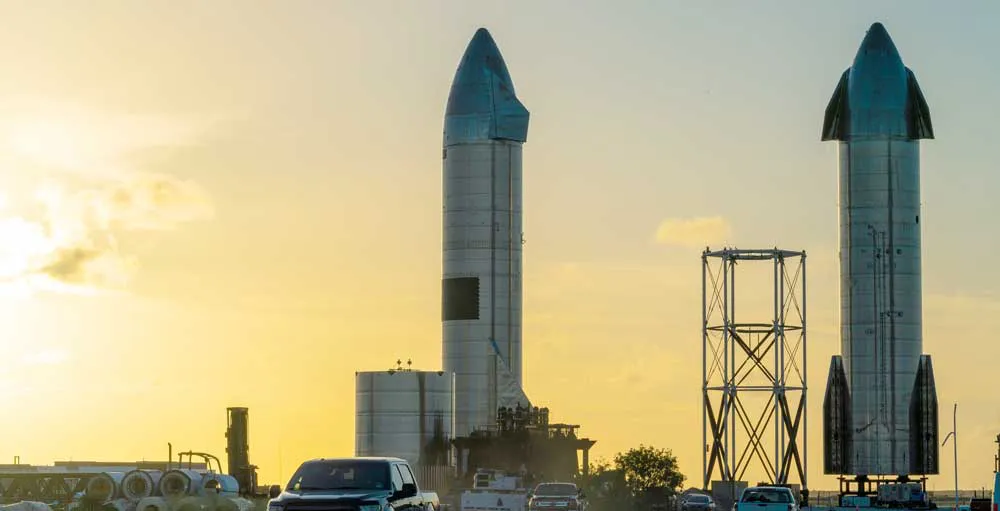
In the rapidly evolving aerospace industry, few names shine as brightly as SpaceX, the brainchild of Elon Musk. The company has revolutionized space travel and exploration, and now, Cathie Wood, the CEO of ARK Invest, has made waves with a bold prediction: SpaceX's Starship could generate an astonishing $10 trillion in revenue by 2030. This projection, which comes as SpaceX gears up for its 14th Starship flight, underscores not only the ambitious goals of Musk and his team but also the potential financial returns for investors in the ever-expanding space economy.
Wood's confidence in SpaceX is rooted in her firm belief in the transformative power of technology and innovation. As the aerospace sector evolves, the implications of such growth could reshape investment landscapes, presenting both opportunities and risks for investors. For those who are curious about what this means for the future of aerospace and investment, this article will delve into the factors driving this projection, the mechanics of the space economy, and what investors should consider moving forward.
The Rise of SpaceX and Its Impact on the Aerospace Industry
Founded in 2002, SpaceX has made significant strides in reducing the cost of space travel through innovative technology and reusability. The development of the Starship spacecraft represents a leap forward in ambitions for both crewed and uncrewed missions. Wood's projection of $10 trillion in revenue by 2030 is based on several key considerations:
- Increased Launch Frequency: As SpaceX continues to improve its launch capabilities, the number of missions is expected to rise dramatically. Each successful launch not only generates revenue from satellite deployments and cargo missions but also positions SpaceX as a leader in the commercial space sector.
- Commercial Space Tourism: With the advent of commercial space tourism, individuals are increasingly willing to pay for the experience of space travel. Companies like SpaceX are at the forefront of this emerging market, which could bring in substantial revenue streams.
- Global Satellite Internet: Starlink, SpaceX's satellite internet constellation, aims to provide global internet coverage. As more satellites are launched to expand this network, the revenue potential grows significantly.
Understanding the Space Economy
The projection of $10 trillion is not just a whimsical figure; it reflects the broader trends in the space economy that are beginning to take shape. The space economy encompasses a wide range of activities, including satellite communications, earth observation, and scientific exploration. According to some estimates, the global space economy is expected to double in size by 2030, potentially reaching over $1 trillion.
Key Drivers of Growth in the Space Sector
The growth of the space economy can be attributed to several factors:
- Technological Advances: Breakthroughs in propulsion technology, miniaturization of satellites, and advancements in artificial intelligence are making space more accessible.
- Government Investments: Governments worldwide are increasing their investments in space exploration and technology, seeing it as critical for national security and economic growth.
- Private Sector Engagement: A surge in private companies entering the space sector is driving competition and innovation, leading to lower costs and increased opportunities.
What This Means for Investors
For investors, the implications of Wood's projection are significant. Companies like SpaceX have the potential to redefine industries and create new markets. Here are some considerations for those looking to invest in this booming sector:
Investing in Aerospace Stocks
Investing in SpaceX directly is not currently an option as the company is privately held. However, investors can explore publicly traded companies that are involved in the aerospace supply chain, including:
- Boeing (BA): A longstanding player in aerospace, involved in both commercial and defense sectors.
- Lockheed Martin (LMT): Engages in satellite development and defense contracts, making it a key player in space technology.
- Northrop Grumman (NOC): Involved in satellite technology and space exploration missions.

Risks and Considerations
While the potential for growth in the space economy is substantial, investors should also be aware of the associated risks. The aerospace industry is characterized by high capital requirements and long development timelines, which can lead to volatility in stock prices. Additionally, regulatory challenges and technological hurdles can impact the pace at which companies like SpaceX can expand their operations. It’s crucial for investors to conduct thorough research and consider their risk tolerance when investing in this sector.
Key Takeaways
- Cathie Wood forecasts $10 trillion in SpaceX Starship revenue by 2030.
- The growth of the space economy is driven by increased launch frequency, commercial space tourism, and global satellite internet.
- Investors can explore publicly traded aerospace companies to capitalize on the growing sector.
- Investment in aerospace carries risks, including regulatory hurdles and market volatility.
Frequently Asked Questions
What is Cathie Wood's investment philosophy?
Cathie Wood is known for her focus on disruptive innovation. Her investment strategy emphasizes investing in companies that leverage technology to create significant changes within their industries. Wood believes that understanding the long-term potential of these innovations can lead to substantial investment returns.
How can I invest in SpaceX?
Currently, SpaceX is a privately held company, making it difficult for individual investors to buy shares directly. However, investors can look for opportunities in venture capital funds or exchange-traded funds (ETFs) that include SpaceX or its competitors, as well as companies involved in the space sector.
What factors influence the profitability of aerospace companies?
The profitability of aerospace companies is influenced by various factors, including government contracts, technological advancements, market demand for satellite services, and the ability to reduce launch costs. Economic conditions can also affect funding for new projects and research initiatives in the aerospace sector.
Are there any environmental concerns related to space launches?
Yes, environmental concerns are increasingly being addressed in the aerospace industry. The launch of rockets can produce greenhouse gas emissions and contribute to space debris. Companies like SpaceX are working on sustainable practices, including the development of reusable rockets to mitigate these impacts and improve the environmental footprint of space travel.
This content is educational and not financial advice.
Comments
NuScale Power: Navigating Challenges in the Small Modular Reactor Market
NuScale Power faces a challenging landscape after UBS downgraded its stock, raising questions about its future in the small modular reactor industry. This article explores the implications of this downgrade and what it means for investors.

Related articles





Popular in Investing
- Navigating the Dismal Landscape of 2026's Worst-Performing ETFs
- Navigating the Turbulent Waters of Energy Markets: A Deep Dive
- Stablecoin Market Faces $10 Billion Decline — What It Means for Investors
- Cotton Futures Surge Despite Increased Production Forecasts
- Avantus Secures $525 Million for Major California Solar Project