Is the AI Bubble About to Burst? Understanding the Future of AI Investments
As AI technology integrates deeper into our daily lives, concerns arise over its sustainability and the potential for an investment bubble. This article explores the implications of AI's rapid adoption, its limitations, and what it means for investors and workers alike.

The rapid rise of artificial intelligence (AI) has sparked intense interest and investment over the past few years, transitioning it from a niche technology to a core component of many businesses and everyday life. From advanced search algorithms to virtual assistants and automated manufacturing processes, AI has permeated various industries, promising efficiency and innovation. However, as more companies integrate AI into their operations, doubts are emerging regarding the sustainability of this technological boom. Could we be on the brink of an AI bubble burst?
Investors have flocked to tech stocks, particularly those in the S&P 500 and Nasdaq indexes, betting on the future growth of AI. Key players like Amazon, Alphabet (Google), Nvidia, Meta (formerly Facebook), Microsoft, Apple, and Tesla have dominated this sector, driving up valuations and creating a sense of urgency among investors. Yet, notable financial analysts, including Jeremy Grantham, warn that a reckoning may be imminent. Grantham likens the current situation to historical overinvestments in railroads and the internet—initial excitement leads to inflated valuations that eventually correct as the technology matures and reveals its limitations.

The Rise and Integration of AI
AI technology has transitioned from theoretical concepts in science fiction to practical applications that enhance daily operations across various sectors. Companies are leveraging AI to optimize everything from customer service to supply chain management. For instance, AI algorithms can analyze consumer behavior and predict purchasing patterns, allowing businesses to tailor their offerings more effectively.
However, despite the promises of AI, there are growing concerns about its limitations. While AI can process vast amounts of data quickly, it lacks human intuition, emotional intelligence, and the ability to adapt to complex, unpredictable environments. As companies rush to incorporate AI solutions, they are beginning to acknowledge that these systems cannot replace human workers in all scenarios.
Challenges in Manufacturing and Beyond
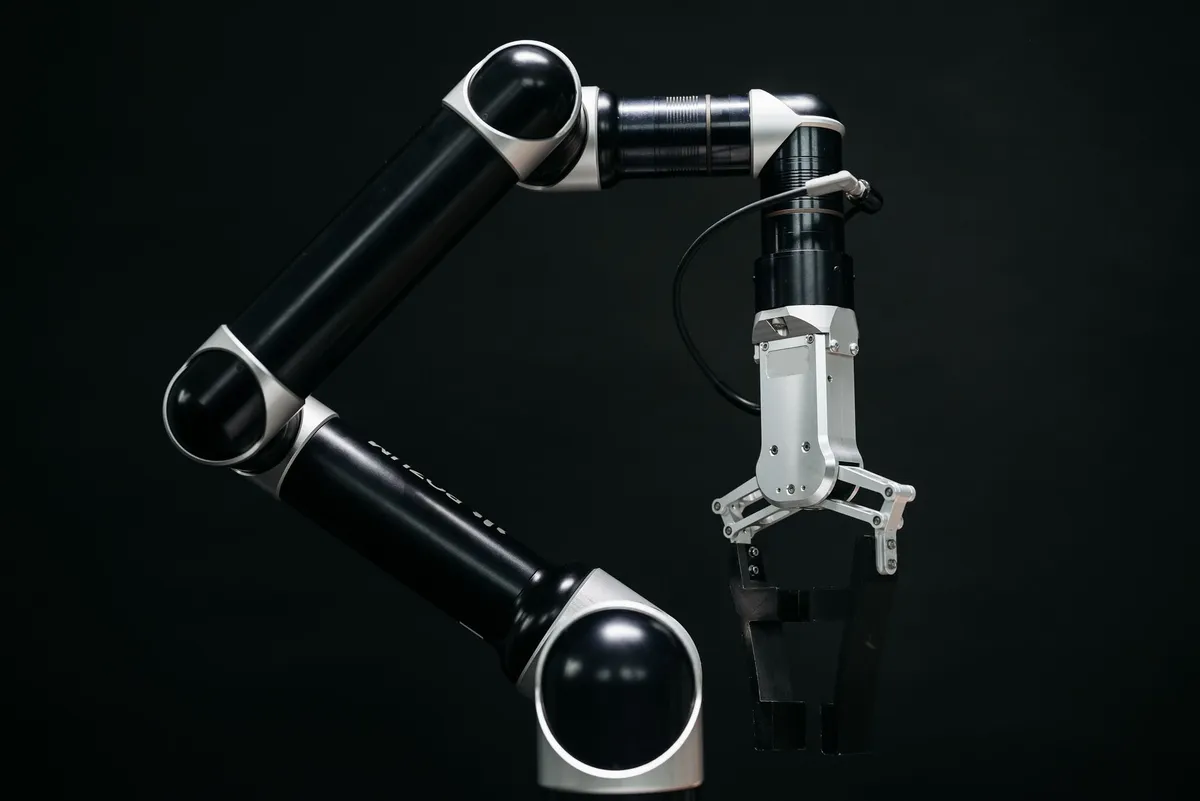
The manufacturing sector, which has historically embraced automation, faces unique challenges with the adoption of AI. While automation can streamline processes and improve efficiency, AI introduces a new layer of complexity. Many manufacturing firms are eager to reduce their reliance on human labor, but the integration of AI in dynamic production environments can lead to unforeseen complications.
Understanding the Limitations
Manufacturing is not a one-size-fits-all environment; it is influenced by various factors such as supply chain disruptions, machine malfunctions, and fluctuating market demands. AI systems often struggle in these unpredictable conditions, leading to inefficiencies. A January Forbes article highlights the necessity of grounding AI applications in real-world data and workflows, emphasizing that AI should augment human judgment rather than replace it.
According to a recent survey by S&P Global, a staggering 42% of organizations abandoned most of their AI initiatives in 2025, up from 17% the previous year. In the industrial sector, a report from RAND indicated that over 80% of industrial AI projects fail, primarily due to complexities in processes, inadequate data quality, and a lack of contextual understanding.

Case Studies: Lessons from Industry Leaders
Companies like Ford, which have increasingly integrated AI into their operations, have learned critical lessons about the technology's limitations. Ford's experience showcases the risks associated with relying too heavily on AI systems without sufficient human oversight. After implementing AI solutions aimed at automating decision-making processes, Ford discovered that these systems were less resilient than anticipated, particularly when they encountered incomplete data.
Charles Poon, Ford's Vice President of Vehicle Hardware Engineering, noted that the company underestimated the importance of institutional knowledge, which was lost as experienced engineers left. This gap in expertise meant that essential information was missing from the datasets used to train AI systems, leading to subpar outcomes. In response, Ford has taken steps to reintegrate experienced engineers into the process, recognizing the need for human insight in guiding AI development.
What This Means for Investors
The fluctuation in AI's effectiveness raises critical questions for investors. As companies reassess their reliance on AI, the potential for a valuation correction becomes more pronounced. The initial excitement surrounding AI technologies has led to inflated stock prices, particularly among tech giants. However, as the limitations of AI become clearer, investors may need to recalibrate their expectations.
Future Outlook: Is the Bubble Bursting?
The question remains: is the AI bubble about to burst? While some analysts predict a significant downturn, others argue that AI is still in its infancy, with the potential for growth as the technology matures. The reality may lie somewhere in between. The current market dynamics suggest that while AI technologies will continue to evolve, the path to widespread adoption will be fraught with challenges.
Investors should approach AI investments with caution, considering the broader implications of the technology's limitations. As companies continue to navigate the complexities of AI integration, the potential for a market correction looms large. It's a reminder that while innovation can drive growth, understanding the underlying technology is crucial for making informed investment decisions.

Key Takeaways
- AI Integration is Complex: Many organizations are realizing that AI cannot replace human workers in all scenarios, particularly in dynamic environments.
- High Failure Rate: Studies show that over 80% of industrial AI projects fail due to data quality issues and process complexities.
- Investor Caution Advised: A potential market correction may be on the horizon as companies reassess their reliance on AI.
- Human Oversight Essential: Institutional knowledge remains vital, as demonstrated by Ford's experience with AI integration.
Frequently Asked Questions
What are the most significant risks associated with AI investments?
The primary risks include the potential for high failure rates in AI projects, as many initiatives do not deliver the expected outcomes. Additionally, as companies discover the limitations of AI, investors may see a decline in stock prices, particularly for tech companies heavily reliant on AI capabilities. The rapid pace of technological advancement also means that innovations can quickly become obsolete, further complicating investment decisions.
How can investors mitigate risks when investing in AI technologies?
To mitigate risks, investors should diversify their portfolios and not overexpose themselves to any single technology or sector. Conducting thorough research on the companies they invest in, examining their AI strategies, and understanding the real-world applications of their technologies is crucial. Additionally, investors should remain aware of market trends and be prepared to adapt their strategies if the landscape shifts dramatically.
What role does human expertise play in the successful implementation of AI?
Human expertise is essential for the successful implementation of AI technologies, particularly in complex environments. Experienced workers provide critical insights that inform data collection and interpretation, ensuring that AI systems are trained effectively. Moreover, human oversight is necessary to contextualize AI outputs, making informed decisions based on the technology's recommendations. As observed in the case of Ford, neglecting the human element can lead to significant shortcomings in AI performance.
Will AI continue to be a significant part of the economy?
While the current landscape presents challenges, AI is likely to remain a significant component of the economy as technology evolves. Future advancements may address current limitations, leading to more effective integration into various sectors. However, the trajectory of AI's growth will depend on how effectively industries can navigate challenges and leverage human expertise alongside technological innovations.
This content is educational and not financial advice.
Comments
Accenture's Market Struggles: Analyzing Structural Challenges and Opportunities
Accenture plc is facing a turbulent market environment as structural factors raise concerns among investors. This feature delves into the company's performance, market outlook, and investment potential.

Related articles






Popular in Investing
- Navigating the Dismal Landscape of 2026's Worst-Performing ETFs
- Navigating the Turbulent Waters of Energy Markets: A Deep Dive
- Stablecoin Market Faces $10 Billion Decline — What It Means for Investors
- Cotton Futures Surge Despite Increased Production Forecasts
- Avantus Secures $525 Million for Major California Solar Project