Nvidia's Vera CPU: The Next Frontier in AI and Revenue Growth
Nvidia is set to expand its influence in the AI market with its new Vera CPU platform, potentially unlocking billions in additional revenue. This article explores the implications of this development and what it means for investors and the tech landscape.
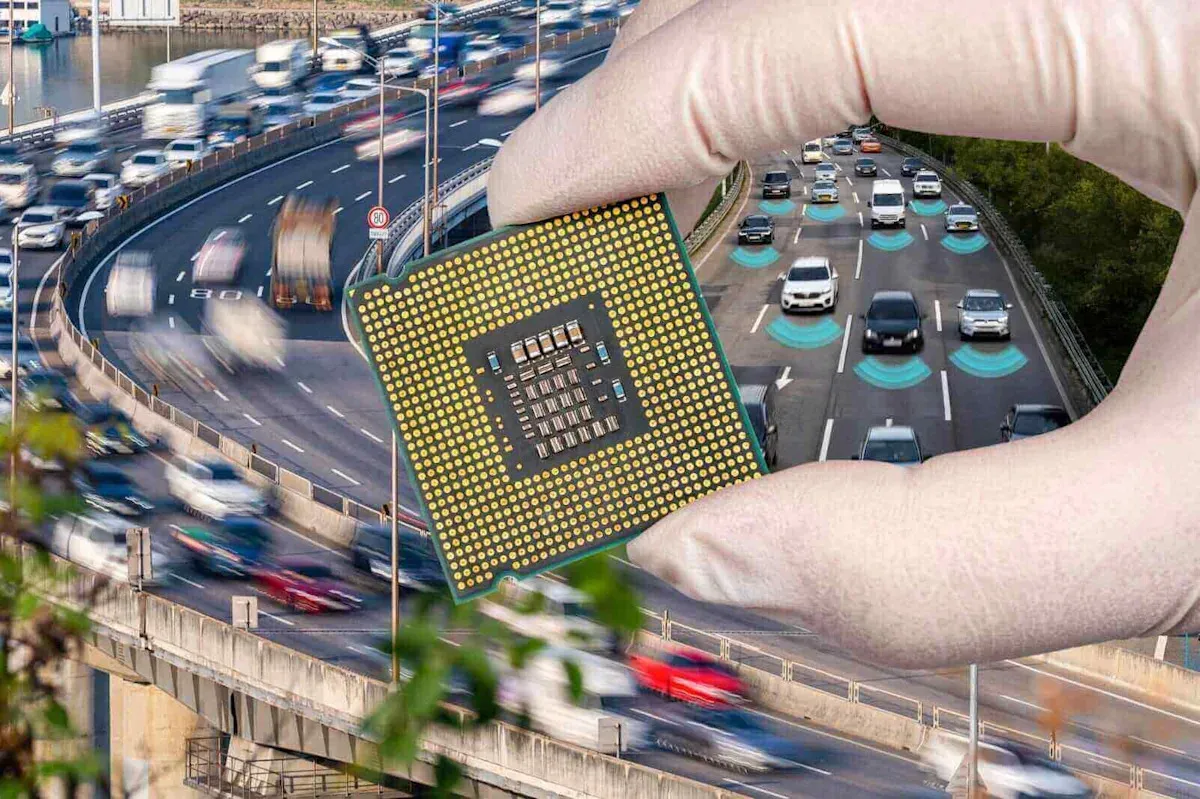
Nvidia has become synonymous with artificial intelligence (AI) innovation, mainly due to its dominance in the graphics processing unit (GPU) market. However, recent developments indicate that the company's aspirations extend far beyond graphics. Nvidia's latest product, the Vera CPU, is poised to revolutionize its business model and could unlock a massive new revenue stream. Wall Street analysts are optimistic, suggesting that the Vera CPU platform could significantly enhance Nvidia's total addressable market (TAM), positioning the company for sustained growth in an increasingly competitive landscape.
As Nvidia continues to navigate various challenges, including export restrictions and intensifying competition, the introduction of the Vera CPU reflects a strategic pivot that may redefine its future. This article delves into the potential impact of the Vera CPU, the company's financial performance, and what investors need to know about this emerging opportunity.

Nvidia's Strategic Shift: From GPUs to CPUs
Nvidia has long been a leader in the AI accelerator market, primarily through its powerful GPUs. However, the introduction of the Vera CPU signifies a bold expansion into a new territory: traditional server CPUs. CEO Jensen Huang highlighted this during the company's recent product presentation, emphasizing that the Vera CPU is specifically designed to handle demanding AI workloads and support agentic AI systems.
Unlocking New Markets
By venturing into the CPU market, Nvidia aims to compete not only with companies like Intel and AMD, but also to capture a share of spending that was previously allocated to traditional processing units. The potential for growth is significant; Wedbush Securities estimates that the Vera CPU could nearly double the performance of comparable x86 processors while seamlessly integrating with Nvidia's existing AI chips. This strategic shift opens up opportunities in various sectors, including:
- Data centers
- Cloud computing
- Networking infrastructure
- Complete AI computing platforms
If the adoption of Vera CPUs accelerates among cloud customers, including those in regions with fewer regulatory restrictions like China, Nvidia could see substantial revenue growth from this segment alone.

Financial Performance: A Testament to Strong Demand
Nvidia's financial results reflect the robust demand for its AI technologies. In the first quarter of fiscal 2027, the company reported a staggering 85% year-over-year revenue increase, reaching $81.6 billion. The data center segment was particularly noteworthy, with revenue soaring 92% to $75.2 billion, underscoring its role as a critical growth driver.
Impressive Earnings
Moreover, Nvidia's net income skyrocketed 211% to $58.3 billion, translating to an earnings per share (EPS) of $2.39. The company generated approximately $48.6 billion in free cash flow, finishing the quarter with around $13.2 billion in cash. Management's guidance for the upcoming quarter is equally optimistic, projecting approximately $91 billion in revenue despite the ongoing export restrictions affecting China, one of the largest technology markets worldwide.

Valuation: Is Nvidia Still a Good Investment?
Despite its impressive stock performance over the past couple of years, Nvidia's valuation remains relatively reasonable. Currently trading at about 23 times forward earnings, NVDA stock is below the average for the broader tech sector, despite Nvidia's faster earnings growth rate. Moreover, its price-to-earnings growth (PEG) ratio of 0.45 indicates that the stock might still be undervalued in relation to its expected earnings expansion.
Future Projections
Wall Street analysts expect Nvidia to generate over $300 billion in revenue for fiscal 2027, with consensus earnings estimates climbing to $8.80 per share. Should the company accelerate its CPU expansion alongside its already dominant GPU franchise, these forecasts could see further revisions upward, making Nvidia a compelling investment option in the tech landscape.

Analyst Sentiment: A Bright Outlook for Nvidia
The general sentiment among analysts regarding Nvidia's long-term prospects remains overwhelmingly positive. Wedbush has pointed out that the Vera CPU platform offers Nvidia an opportunity to broaden its TAM beyond GPUs, thereby enhancing its competitive edge in AI infrastructure. The current average price target set by Wall Street analysts stands at $302.55, suggesting a potential upside of 43% from current trading levels.
Addressing Risks
While the outlook is bright, it's essential to consider the risks associated with investing in Nvidia. Concerns regarding export restrictions to China and heightened competition are valid and warrant attention. However, given the company's strong fundamentals and innovative trajectory, many experts believe that Nvidia is well-positioned for a new phase of growth as a leader in AI hardware and software.
Key Takeaways
- Nvidia has launched the Vera CPU, aiming to expand its market presence beyond GPUs.
- The company reported an 85% revenue increase in Q1 fiscal 2027, driven by strong AI demand.
- Nvidia's valuation remains attractive, trading at 23 times forward earnings compared to the tech sector average.
- Analysts project a 43% upside for NVDA stock, with a price target of $302.55.
- Risks include export restrictions and increased competition, but long-term growth remains likely.
Frequently Asked Questions
What is Nvidia's Vera CPU, and why is it significant?
The Vera CPU is Nvidia's latest product designed specifically for AI workloads, allowing the company to enter the traditional CPU market. Its introduction is significant because it could potentially double the performance of existing processors while integrating with Nvidia's GPU offerings, thereby broadening the company's market reach and revenue potential.
How has Nvidia's financial performance been recently?
Nvidia has demonstrated remarkable financial growth, with an 85% year-over-year revenue increase in the first quarter of fiscal 2027. This growth is largely attributed to the demand for AI infrastructure, which has become a primary revenue driver for the company, alongside impressive net income growth.
Is Nvidia a good investment right now?
Despite its strong stock performance, Nvidia's current valuation is considered reasonable compared to its earnings growth potential. With a favorable PEG ratio and a positive outlook from analysts, many investors view Nvidia as a compelling investment option, especially with its expansion into the CPU market.
What risks should investors consider with Nvidia?
Investors should be aware of potential risks, including export restrictions affecting sales to China and increased competition from rival companies. However, Nvidia's strong fundamentals and innovative strategies may mitigate these risks, positioning the company for continued growth in the AI sector.
Disclaimer: The content is educational, not financial advice.
Comments
Accenture's Market Struggles: Analyzing Structural Challenges and Opportunities
Accenture plc is facing a turbulent market environment as structural factors raise concerns among investors. This feature delves into the company's performance, market outlook, and investment potential.

Related articles






Popular in Investing
- Navigating the Dismal Landscape of 2026's Worst-Performing ETFs
- Stablecoin Market Faces $10 Billion Decline — What It Means for Investors
- Cotton Futures Surge Despite Increased Production Forecasts
- Avantus Secures $525 Million for Major California Solar Project
- Navigating the Pet Stocks Market: Opportunities Amidst Challenges