Crypto Buyers Emerge: Signs of Recovery in a Volatile Market
After months of decline, crypto buyers are slowly returning with significant inflows into Bitcoin and Ethereum funds. This article explores the factors behind this shift and its implications for the future of digital currencies.

After a prolonged period characterized by significant declines and uncertainty, the cryptocurrency market may be witnessing the first signs of recovery. Recent data indicates that crypto exchange-traded funds (ETFs) have attracted over $281.8 million in inflows, marking a turning point after eight consecutive weeks of outflows totaling more than $7 billion. This trend hints at a revitalized interest among investors, particularly in Bitcoin and Ethereum, and raises questions about the future trajectory of digital assets.
Bitcoin funds alone saw inflows of $197.4 million, while Ethereum funds garnered $84.4 million. Such movements are crucial as they suggest a potential shift in market sentiment, especially after a year where Bitcoin prices have plummeted by 29%. As the market adapts to a landscape of higher interest rates and increasing scrutiny from regulators, many analysts remain cautiously optimistic about the prospects for these leading cryptocurrencies.
Understanding the Recent Market Dynamics
The recent inflows into crypto ETFs signal a significant change in investor behavior. For much of the year, higher interest rates have dampened enthusiasm for speculative assets, including cryptocurrencies. Investors have been reassessing valuations following a multiyear rally fueled by institutional adoption and a favorable environment under the previous U.S. administration. As a result, many have turned to profit-taking, leading to a downturn in prices.
Furthermore, the ongoing regulatory uncertainty in key global markets has contributed to increased volatility. The crypto market, often seen as a high-risk investment, has faced intensified scrutiny as governments worldwide seek to establish clearer frameworks for digital asset transactions. This has led to a cautious approach among investors, many of whom are waiting for more stability before committing significant capital.
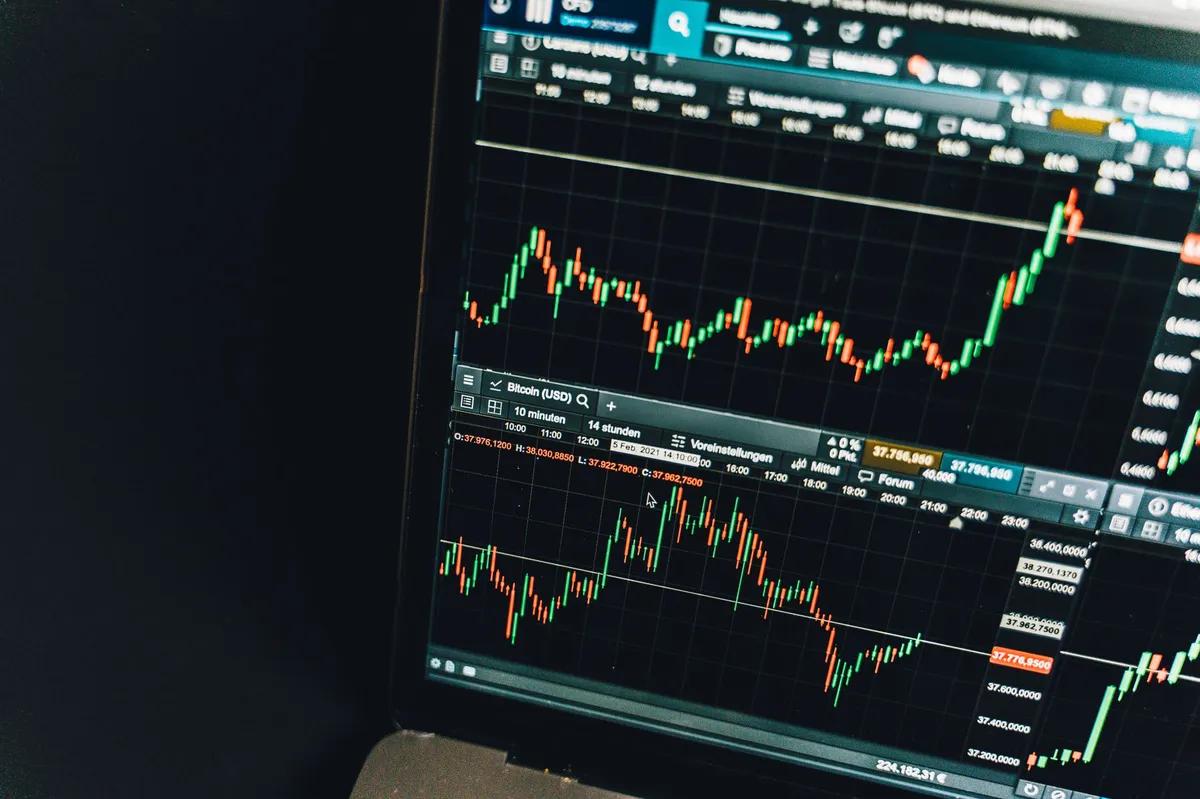
Investor Sentiment: A Shift Towards Optimism
Despite these challenges, some analysts and industry leaders are beginning to see the current downturn as a necessary consolidation phase rather than a sign of a fundamental shift in the adoption of cryptocurrencies. Bernstein's digital assets analyst, Gautam Chhugani, noted, "Any crypto correction is painful, but this one has been rather comforting. Crypto feels like it's growing up." This sentiment is echoed by Coinbase CEO Brian Armstrong, who believes the market has bottomed around the $60,000 mark for Bitcoin and anticipates a resurgence driven by factors such as legislative advancements and new investment opportunities in emerging technologies.
Market Structure and Future Growth
As the crypto market matures, several factors could catalyze future growth. Improved market structure, including more robust regulatory frameworks, could foster greater investor confidence. Additionally, the expected public offerings of AI companies may free up substantial capital, creating new opportunities for investment in the crypto space.
The Role of Institutional Investors
Institutional investors have played a significant role in shaping the current landscape of cryptocurrency investments. Their entry into the market has introduced a degree of legitimacy and stability, but it has also made the market more sensitive to macroeconomic conditions. With rising interest rates and inflationary pressures, institutional investors are scrutinizing their portfolios more closely, leading to cautious investment strategies.
As institutional interest in cryptocurrencies continues to grow, the demand for Bitcoin and Ethereum may stabilize, providing a buffer against volatility. This could result in a more sustainable growth trajectory as these assets gain further acceptance among mainstream investors.

Future Considerations: Risks and Opportunities
While the recent inflows into crypto ETFs are a positive sign, potential investors must remain aware of the inherent risks associated with cryptocurrencies. The market is notoriously volatile, and prices can fluctuate dramatically based on a variety of factors, including regulatory changes, technological advancements, and market sentiment.
Investors should also consider the following risks:
- Regulatory Risk: Changes in government policies can significantly affect market dynamics.
- Market Volatility: Prices can change rapidly, leading to potential losses.
- Technological Risks: Issues related to blockchain technology and security can impact investments.
- Liquidity Risks: In times of market stress, the ability to sell assets may be impaired.
Despite these risks, the current market conditions also present opportunities for savvy investors. Those willing to navigate the landscape with a clear strategy may find potential rewards in the growing acceptance of cryptocurrencies as an asset class.
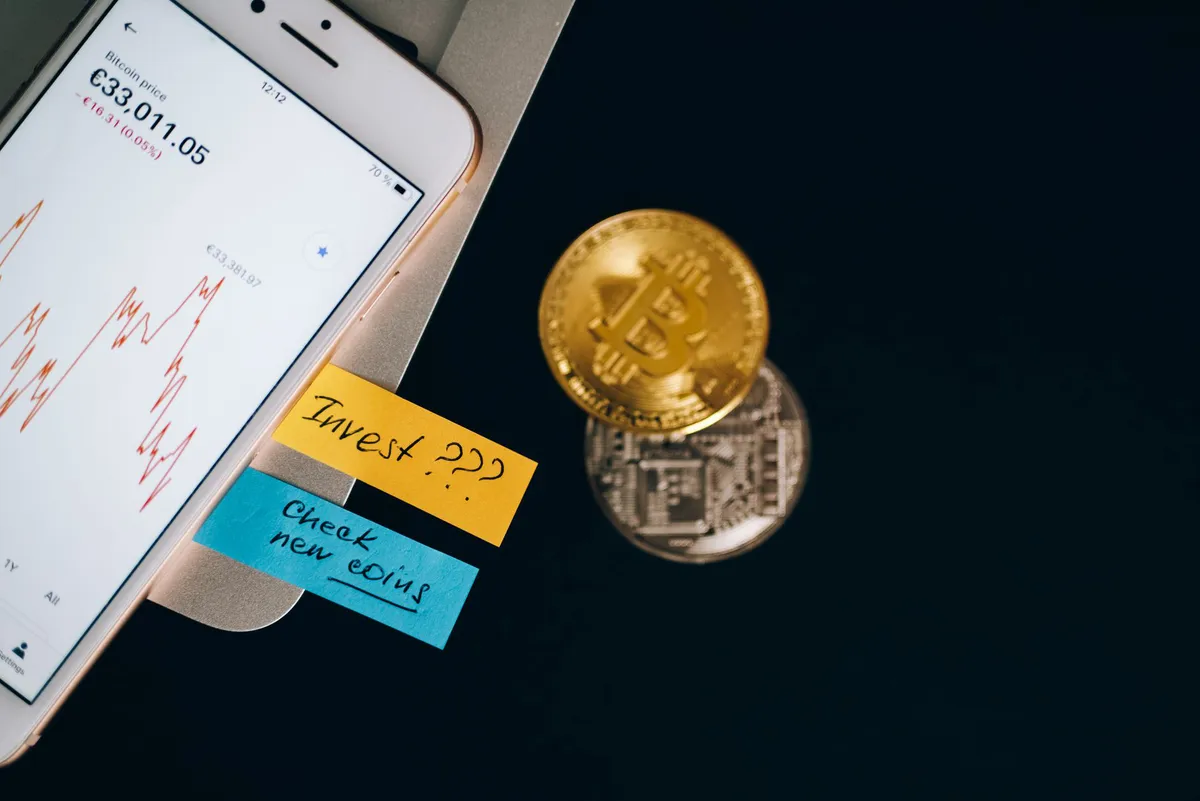
Key Takeaways
- Crypto ETFs saw over $281.8 million in inflows, signaling renewed investor interest.
- Bitcoin and Ethereum funds attracted significant capital, reversing a trend of eight weeks of outflows.
- Regulatory clarity and institutional investment are key factors influencing the market's future.
- Investors should remain vigilant of risks associated with cryptocurrency investments.
Frequently Asked Questions
What are the main factors contributing to the recent inflows into crypto ETFs?
Recent inflows can be attributed to a combination of renewed investor interest following a prolonged downturn, a more favorable market sentiment, and the potential for legislative advancements that could enhance the regulatory framework for cryptocurrencies. Additionally, the promise of emerging technologies and the anticipated public offerings of companies in the AI sector may also play a role in redirecting capital toward digital assets.
How can investors navigate the risks associated with cryptocurrencies?
Investors can mitigate risks by conducting thorough research before investing in cryptocurrencies, diversifying their portfolios to include a mix of asset classes, and setting clear investment goals. It is also advisable to remain informed about market trends and regulatory developments, as these factors can significantly impact the value of digital assets.
What is the long-term outlook for Bitcoin and Ethereum?
While the long-term outlook remains uncertain due to market volatility and regulatory challenges, many analysts believe that Bitcoin and Ethereum will continue to play a significant role in the evolving financial landscape. Expectations for price recovery and growth are contingent on factors such as institutional adoption, market structure improvements, and the development of real-world use cases for cryptocurrencies.
Should I invest in cryptocurrencies now, or wait for further signs of stabilization?
The decision to invest in cryptocurrencies should be based on individual risk tolerance, investment goals, and market understanding. While some investors may see the current conditions as an opportunity to enter the market, others may prefer to wait for further stabilization and clarity. It is essential to assess personal financial situations and consider consulting with a financial advisor before making investment decisions.
This content is educational and not financial advice.
Comments
Accenture's Market Struggles: Analyzing Structural Challenges and Opportunities
Accenture plc is facing a turbulent market environment as structural factors raise concerns among investors. This feature delves into the company's performance, market outlook, and investment potential.

Related articles






Popular in Investing
- Navigating the Dismal Landscape of 2026's Worst-Performing ETFs
- Stablecoin Market Faces $10 Billion Decline — What It Means for Investors
- Cotton Futures Surge Despite Increased Production Forecasts
- Avantus Secures $525 Million for Major California Solar Project
- Navigating the Pet Stocks Market: Opportunities Amidst Challenges