Big Oil's Profits Amid Global Conflict: A Deep Dive
As oil and gas prices soar due to escalating conflicts, Big Oil companies report record profits, igniting political backlash. This article explores the implications for consumers, governments, and the energy landscape.
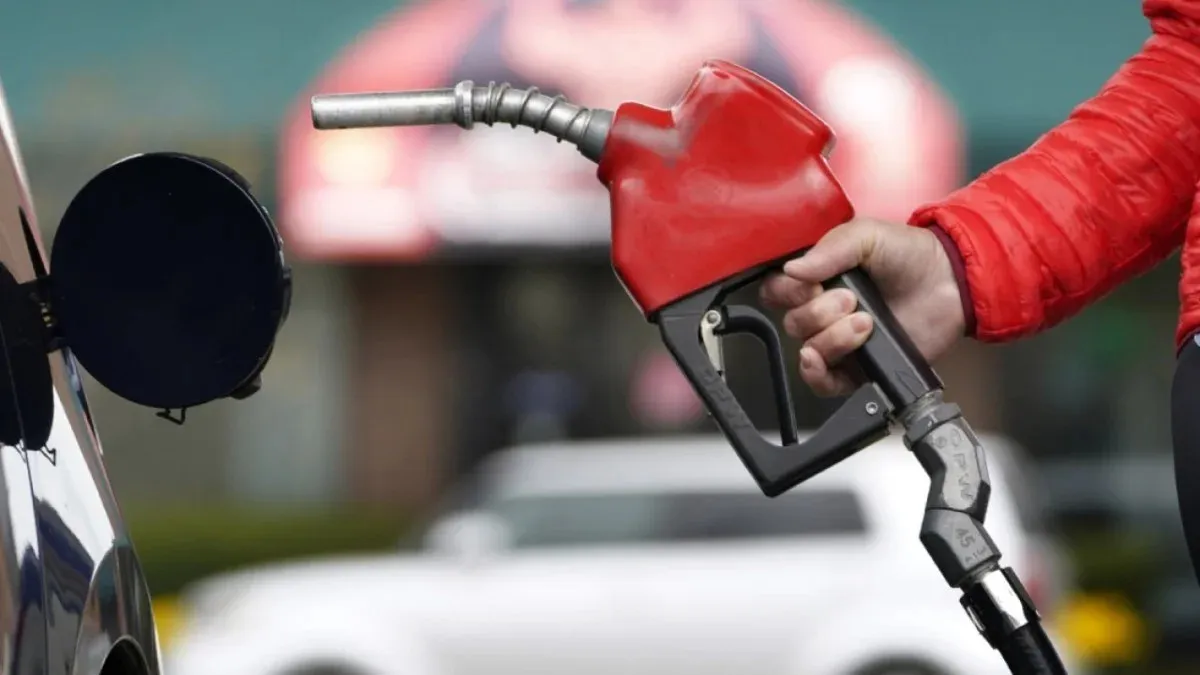
The recent surge in oil and gas prices, driven by geopolitical tensions, has thrust Big Oil companies into the spotlight, prompting outrage from governments and consumers alike. As hostilities escalate between the United States, Israel, and Iran, supermajors like ExxonMobil and Chevron are poised to report staggering profits for the second quarter of the year. This newfound wealth has not only reignited debates over corporate responsibility but also raised critical questions about the future of energy pricing and consumer welfare.
With Brent crude prices soaring to over $100 per barrel, the ripple effects have been felt across the globe. In the U.S., gas prices have surged past $4 per gallon, triggering fears of a potential recession. President Trump has publicly criticized the oil industry for price-gouging and has ordered a federal investigation into the matter, highlighting the growing tension between government expectations and corporate profits.
Understanding the Geopolitical Context
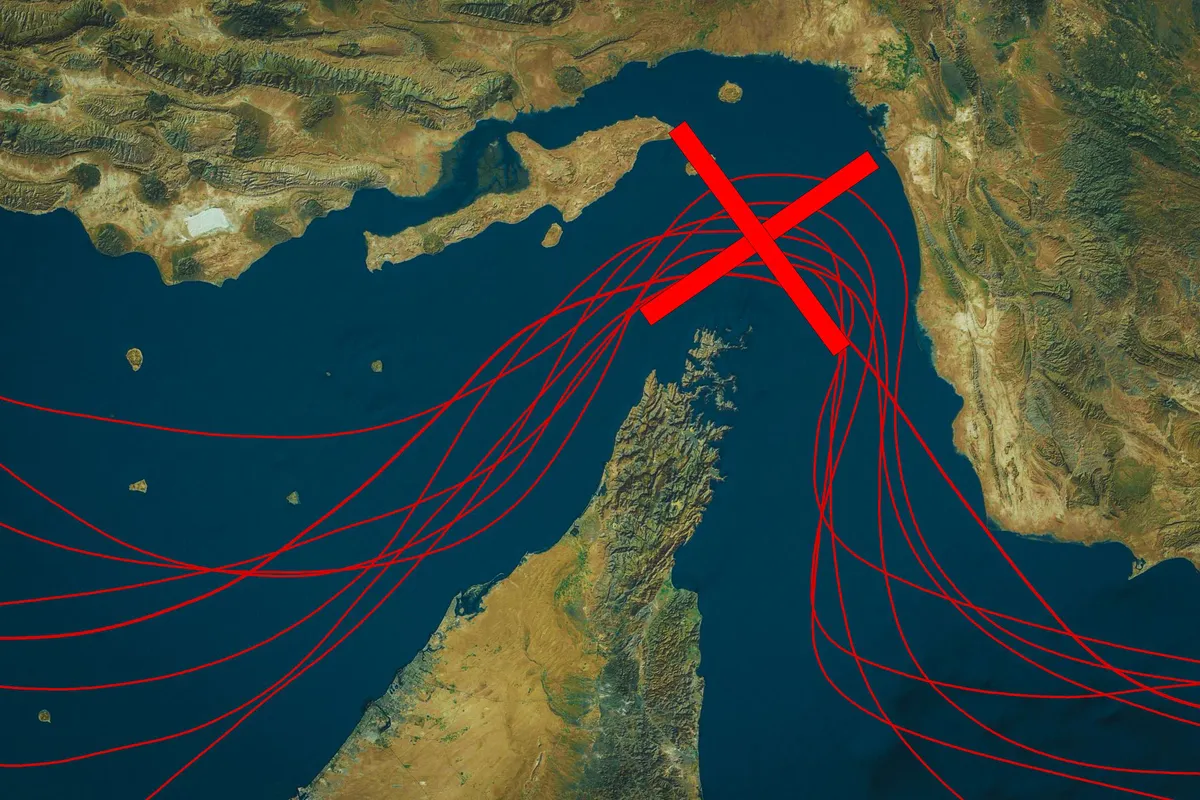
The current state of the oil market can be traced back to escalating conflicts in the Middle East, particularly the recent military actions involving the U.S. and Israel against Iran. These hostilities have led to significant disruptions in oil supply lines, most notably through the Strait of Hormuz, a critical chokepoint for global oil transport. Iran's previous threats to close this passageway became a reality, causing an immediate shock to oil prices.
With geopolitical tensions at an all-time high, oil prices experienced a dramatic increase, which has had profound implications for both consumers and governments. In a market already strained by previous disruptions and the ongoing impacts of the COVID-19 pandemic, the current situation exacerbates existing vulnerabilities.
The Economic Fallout for Consumers
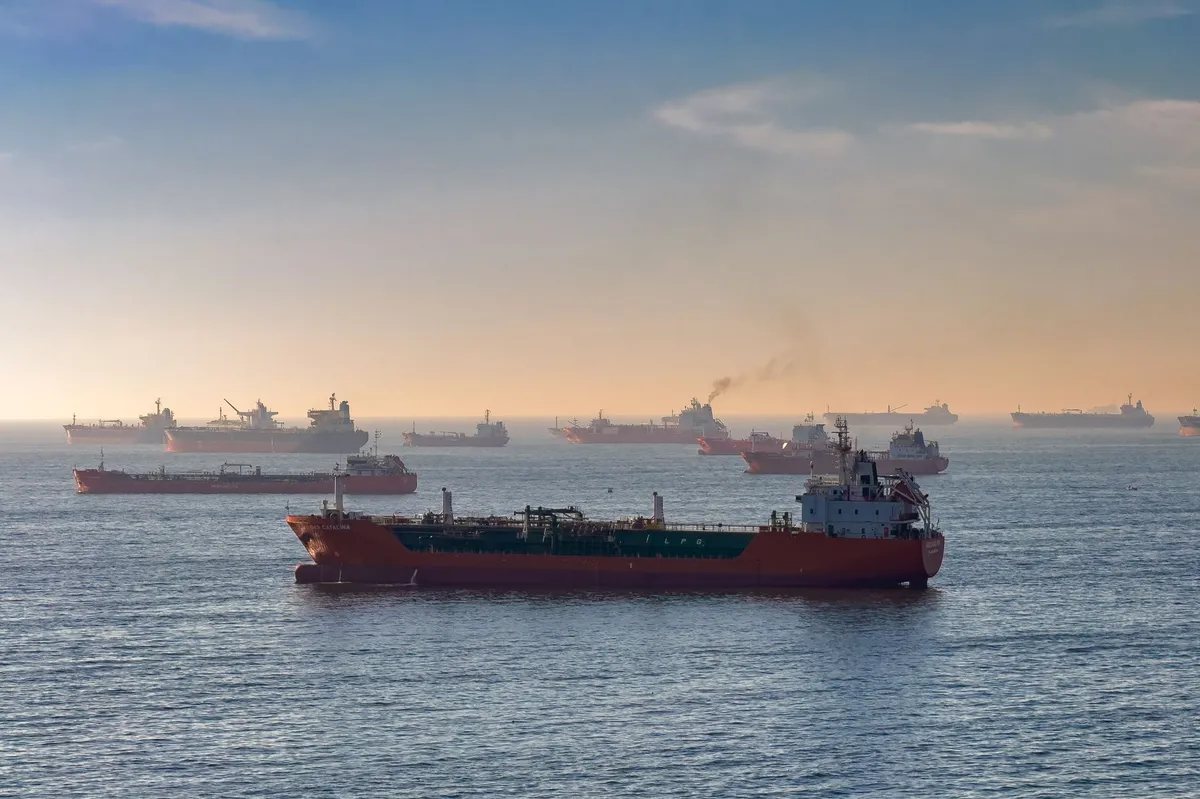
As oil prices rise, so too do the costs at the pump for consumers. The average gas price exceeding $4 per gallon has led many to feel the pinch in their wallets. This increase is not merely a reflection of rising crude oil prices but is also influenced by various market dynamics, including refining capacities and supply chain disruptions.
The Price-Gouging Dilemma
President Trump’s accusations of price-gouging have sparked a heated debate about the role of oil companies in setting retail fuel prices. While the oil industry argues that retail prices are influenced by a complex web of factors—including international crude prices and local market conditions—many consumers feel that they are being unfairly burdened by inflated prices.
The disparity between crude oil prices and retail gasoline prices raises important questions. For instance, if crude oil prices drop significantly, why do consumers not see equivalent reductions at the pump? This lack of synchronicity can be attributed to several factors:
- Supply Chain Delays: Disruptions in refining and distribution can lead to delays in price adjustments.
- Market Speculation: Traders often speculate on future prices, contributing to volatility.
- Regional Variations: Local taxes and regulations can further influence retail prices.
Big Oil's Record Profits: A Double-Edged Sword
As the price of oil continues to rise, Big Oil companies are reporting record profits, with analysts projecting that ExxonMobil could see adjusted net income around $19 billion for the second quarter, while Chevron might hit close to $10 billion. These figures represent a substantial increase compared to their first-quarter earnings, drawing ire from government officials and consumers alike.
While some critics argue that these profits are the result of exploiting a crisis, the oil industry contends that they are merely responding to market dynamics shaped by global conflicts. As energy prices rise, investors in oil stocks see significant returns, while governments face mounting pressure to provide relief to consumers.

Political Repercussions and Calls for Accountability
The political landscape is shifting in response to the rising tensions and oil profits. In the U.S., the Biden administration is under pressure to take action to mitigate the impact of high fuel prices on consumers. Trump's call for a federal investigation into price-gouging highlights the growing frustration among politicians regarding the oil industry’s windfall profits amid a national crisis.
International Reactions
In the European Union, political leaders are voicing similar concerns. A coalition of Green party members in the European Parliament has demanded that the largest fossil fuel companies contribute to funding initiatives aimed at making public buildings and homes more resilient to climate impacts. This call for accountability underscores the growing sentiment that Big Oil must play a role in addressing climate change while also facing scrutiny over their profit margins.
Future Implications for Energy Markets
The ongoing conflict and the resulting energy crisis have profound implications for the future of energy markets. As governments grapple with the challenges posed by rising prices, the potential for regulatory changes looms large. If consumer dissatisfaction continues to mount, lawmakers may consider implementing measures to impose price controls or taxes on excessive profits.
Moreover, the current crisis highlights the need for a long-term shift towards alternative energy sources. The volatility of oil prices, exacerbated by geopolitical tensions, serves as a reminder of the vulnerabilities inherent in relying on fossil fuels. As consumers become increasingly aware of these issues, there may be a growing push for investments in renewable energy and energy independence.

Key Takeaways
- Surging Oil Prices: Prices have soared due to geopolitical tensions, impacting global markets.
- Record Profits: Big Oil companies report massive earnings, raising concerns over price-gouging.
- Political Fallout: Governments are under pressure to address the financial burden on consumers.
- Future of Energy: The crisis highlights the need for a shift towards renewable energy sources.
Frequently Asked Questions
What are the main factors driving current oil price increases?
The current rise in oil prices can largely be attributed to geopolitical conflicts, particularly tensions involving the U.S., Israel, and Iran. These conflicts have disrupted supply chains and led to fears about future availability, causing prices to spike. Additionally, market speculation and various logistical challenges in refining and distribution further contribute to price volatility.
How are governments responding to rising fuel prices?
Governments, particularly in the U.S. and Europe, are facing mounting pressure to address the impact of high fuel prices on consumers. This includes calls for investigations into potential price-gouging by oil companies, as well as proposals for regulatory measures to curb excessive profits. The Biden administration, for instance, is exploring options to provide relief to consumers facing high gas prices.
What should consumers expect in the coming months regarding fuel prices?
Consumers can expect continued volatility in fuel prices as geopolitical tensions evolve and influence market dynamics. While some analysts predict potential price relief if the conflict settles, others warn that supply chain disruptions and market speculation may keep prices elevated. In the interim, consumers may want to explore alternative energy options or budgeting strategies to mitigate the impact of rising fuel costs.
How could this situation impact the future of energy policy?
The current crisis may accelerate shifts in energy policy, with an increasing emphasis on renewable energy sources and energy independence. As consumers demand more sustainable options, governments may be prompted to invest in cleaner energy technologies and infrastructure. This could lead to a significant transformation in the energy landscape, with long-term implications for both consumers and the economy.
This content is educational, not financial advice.
Comments
Accenture's Market Struggles: Analyzing Structural Challenges and Opportunities
Accenture plc is facing a turbulent market environment as structural factors raise concerns among investors. This feature delves into the company's performance, market outlook, and investment potential.

Related articles






Popular in Investing
- Navigating the Dismal Landscape of 2026's Worst-Performing ETFs
- Stablecoin Market Faces $10 Billion Decline — What It Means for Investors
- Cotton Futures Surge Despite Increased Production Forecasts
- Avantus Secures $525 Million for Major California Solar Project
- Navigating the Pet Stocks Market: Opportunities Amidst Challenges