The Unexpected Economic Impact of AI Spending on U.S. Inflation
Artificial intelligence spending is reshaping the U.S. economy, driving GDP growth while simultaneously contributing to inflation. Understanding these dynamics can help investors navigate this transformative landscape.

The rise of artificial intelligence (AI) is not just a technological revolution; it is reshaping the very foundations of the U.S. economy. As companies invest heavily in AI infrastructure, the implications stretch across various economic indicators, including Gross Domestic Product (GDP) and inflation rates. While AI spending has significantly boosted economic growth, it has also given rise to inflationary pressures that could affect consumers and investors alike. This article delves into the dual-edged sword of AI investment, analyzing its contributions to GDP growth and the inflationary challenges it poses.
AI's Role in Economic Growth
Recent data from the Bureau of Economic Analysis indicates that the U.S. economy grew at an annual rate of 2% from January to March 2026, a notable increase from the previous quarter's 0.5% growth. This growth can be largely attributed to burgeoning investments in AI technology. According to Hannah Rubinton, an economist at the St. Louis Federal Reserve, AI contributed to a staggering 39% of GDP growth through the third quarter of 2025, outpacing even the dot-com bubble era, which saw a contribution of 28%.
Such rapid growth is reminiscent of past economic booms, and while it offers a glimpse of the future, it also raises questions about sustainability. Although AI investments are still robust, their growth rates have begun to taper off, suggesting a potential stabilization phase. Nevertheless, the economic landscape remains buoyed by these investments, and companies continue to pour capital into AI to enhance productivity and profitability.

The Inflationary Effect of AI Spending
Despite the positive contributions of AI to GDP, analysts are warning of the inflationary repercussions tied to this surge in spending. Wells Fargo analysts have identified a troubling trend: the extraordinary capital expenditure cycle, driven by AI investments, is also contributing to inflation. For instance, wholesale inflation, measured by the Producer Price Index (PPI), increased by 6.5% year-over-year as of May 2026. Even when food and energy prices are excluded, the PPI still rose by 4.9% in May, indicating underlying inflationary pressures.
Key Contributors to AI-Driven Inflation
Several factors are contributing to the inflationary landscape influenced by AI investments:
- Global Semiconductor Shortages: A critical component in AI technology, shortages in semiconductors are driving up costs across various sectors.
- Increased Energy Costs: The rapid expansion of AI data centers has led to higher energy demands, further exacerbating inflation.
- Panic Ordering: Companies are engaging in panic ordering—placing excessive orders to secure resources for building data centers and expanding their manufacturing capabilities, leading to supply chain disruptions.
These inflationary pressures are not expected to abate anytime soon. Wells Fargo predicts that PPI inflation will remain elevated through at least 2027, primarily due to substantial order backlogs for AI-related capital goods.

Inflation's Impact on Consumers
While wholesale inflation rises, consumer inflation has been somewhat insulated from these pressures. Limited passthrough of upstream costs to the Consumer Price Index (CPI) has helped mitigate the direct impact of AI spending on consumer prices. This suggests that consumers may not yet feel the full brunt of the inflationary effects stemming from AI investments.
However, the interconnectedness of the economy means that sustained inflation at the wholesale level could eventually trickle down to consumers. If production costs continue to rise due to AI-related investments, businesses may need to raise prices to maintain profitability, impacting consumer spending power and overall economic health.
Navigating the Investment Landscape Amid AI Inflation
For investors, the evolving economic landscape presents both challenges and opportunities. Wells Fargo suggests that some inflation can be beneficial for certain sectors of the stock market. Industries such as materials, industrials, and specialty chemicals are well-positioned to pass increased costs onto consumers, potentially leading to improved profit margins.
Investment Strategies to Consider
To effectively navigate this environment, investors may consider the following strategies:
- Focus on Long-Term Trends: Maintaining exposure to long-term themes, such as AI and technology spending, can provide growth opportunities.
- Sector Rotation: Adjusting portfolios to favor sectors that can better withstand inflation, such as Information Technology, Materials, Utilities, and Industrials, may yield better returns.
- Commodities Allocation: Including commodities in investment portfolios can serve as a hedge against inflation and offer diversification benefits.
Investors are advised to remain vigilant and adaptable, as market conditions may shift rapidly in response to economic changes driven by AI spending.
Key Takeaways
- AI spending is significantly boosting U.S. GDP, contributing to growth rates not seen since the dot-com bubble.
- Inflationary pressures are rising due to factors like semiconductor shortages and increased energy costs associated with AI infrastructure.
- Consumer inflation remains insulated, but long-term effects may surface if wholesale prices continue to climb.
- Investors should consider sectors that can benefit from inflation and adjust their portfolios to incorporate long-term trends.
- Maintaining exposure to commodities can provide a hedge against rising inflation rates.
Frequently Asked Questions
How does AI spending contribute to GDP growth?
AI spending contributes to GDP growth by enhancing productivity and profitability for businesses. As companies invest in AI technologies, they often experience increased efficiency, leading to higher output levels. This surge in investment and subsequent productivity gains can contribute significantly to overall economic growth, as evidenced by AI's substantial share in GDP growth figures.
What factors are causing inflation in the current economy?
Several factors are at play in driving inflation in today's economy, particularly related to AI investments. Key contributors include global semiconductor shortages, rising energy costs linked to increased demand from AI data centers, and panic ordering by companies attempting to secure resources. These elements combine to create upward pressure on wholesale prices, which can ultimately affect consumer prices.
How can investors protect themselves from inflation?
Investors can protect themselves from inflation by diversifying their portfolios to include sectors that traditionally benefit from rising prices, such as materials and industrials. Allocating funds to commodities can also serve as an effective hedge against inflation, as these assets often retain value during inflationary periods. Additionally, maintaining a focus on long-term growth sectors like technology can provide opportunities for appreciation even amid inflation.
Is the rise of AI spending sustainable in the long term?
While AI spending has shown remarkable growth, the sustainability of this trend depends on several factors, including market demand, technological advancements, and economic conditions. As companies continue to seek efficiency and profitability through AI investments, this trend may persist. However, fluctuations in market conditions and potential regulatory changes could impact the pace of AI investment in the future.
This content is educational and not financial advice.
Comments
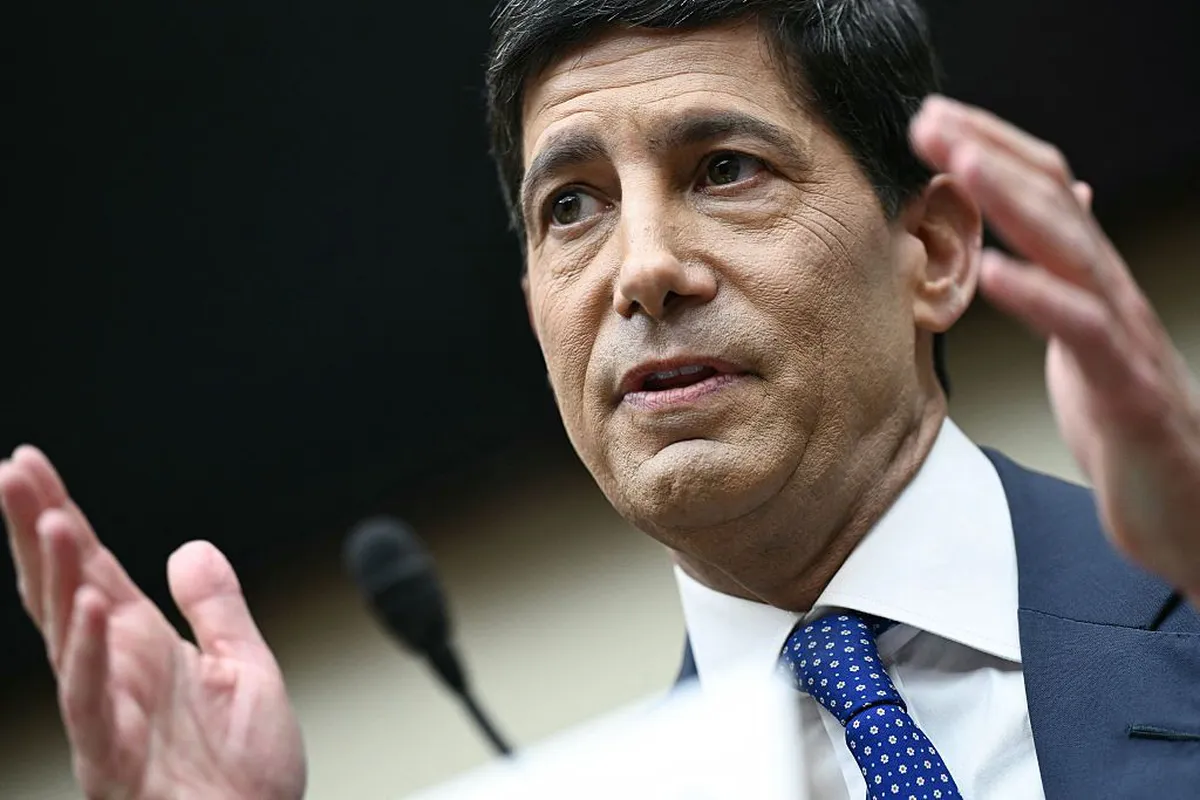
Navigating Challenges: Kevin Warsh's Leadership at the Federal Reserve
Kevin Warsh's tenure as Fed Chair faces immense challenges, from inflation control to political pressures. This article delves into the key conflicts he must navigate as he establishes his authority.
Related articles





Popular in Investing
- Navigating the Dismal Landscape of 2026's Worst-Performing ETFs
- Navigating the Turbulent Waters of Energy Markets: A Deep Dive
- Stablecoin Market Faces $10 Billion Decline — What It Means for Investors
- Cotton Futures Surge Despite Increased Production Forecasts
- Avantus Secures $525 Million for Major California Solar Project