Why Short-Term Bonds are the Smart Investment in Today's Market
In a volatile economic landscape, savvy investors are shifting focus from long-term bonds to short-term options. Explore the advantages of embracing the belly of the yield curve, where opportunities abound for higher yields and lower risks.

As inflation continues to grip the economy and oil prices fluctuate, the investment landscape has become increasingly complex. Traditional wisdom often favors long-term bonds, but in today's environment, a new strategy is emerging. Investors are discovering that the belly of the yield curve—represented by short- to medium-term bonds—offers a superior path toward higher yields with manageable risks. This article delves into why short-term Treasuries and corporate bond funds present a more attractive option for income investors in 2026.
Looking at current market trends, we see notable shifts in Treasury yields that reflect changing economic conditions. For instance, as of mid-2026, two-year Treasury yields have surged from 3.46% to 4.01%, and three-year yields have similarly increased from 3.53% to 4.06%. On the other hand, long-term bonds, like the 30-year Treasury, have barely moved from 4.86% to 4.97%. These figures suggest that the market anticipates persistent inflation, which is expected to remain above the Federal Reserve's target of 2% until 2029. Given this context, the opportunity for short-term investments to yield better returns becomes clear.

Understanding the Yield Curve
The yield curve is a graphical representation of interest rates across various maturities of debt. Typically, a normal yield curve slopes upward, indicating that investors expect higher returns for longer commitments due to increased risks over time. However, the current economic climate has created a situation where the belly of the curve—comprised of short- to medium-term bonds—has become more appealing than the traditional long-term investments.
Why Long-Term Bonds Are Less Attractive
Long-term bonds often come with the allure of higher yields, but they also carry significant risks in a rising interest rate environment. When interest rates increase, bond prices decrease. This inverse relationship means that locking in a low yield for an extended period can lead to substantial opportunity costs. Investors who opt for long-term bonds may find themselves stuck with lower-than-market returns, particularly as inflation rates rise, diminishing their purchasing power over time.
Maximizing Yields with Short-Term Investments
For investors seeking to capitalize on the current landscape, focusing on short-term Treasuries and corporate bonds can yield better results. The simplest way to achieve higher yields is by purchasing short-term notes directly through platforms like the Treasury Direct website or through a brokerage account. For instance, switching from a money market account paying 3.33% to a two-year Treasury note at 4.0% can yield an additional $67 annually on a $10,000 investment.
- Short-term Treasuries: Yields currently around 4.0% for two-year notes.
- Corporate Bonds: Look for defined-maturity corporate bond funds with lower fees.
- Certificates of Deposit (CDs): Often provide competitive rates with minimal risk.
Exploring Alternative Options
Investors can also look into short-dated defined-maturity corporate bond funds, which offer a balance between higher yields and manageable risk. For example, Vanguard's Target Maturity 2028 Corporate Bond ETF (VBCB) is designed to yield approximately 4.50% to maturity. Additionally, consider high-yield bond funds that focus on short durations, like the PGIM Short Duration High Yield ETF (PSH) and the Columbia Short Duration High Yield ETF (HYSD). Both funds distribute yields close to 6%, which compensates for their low expense ratios.
Smart Strategies for Savvy Investors
In this unpredictable market, implementing a strategic approach to bond investing can significantly impact long-term financial health. Here are a few tactical strategies to consider:
- Stay Informed: Regularly monitor economic indicators and interest rate trends to make informed decisions.
- Diversify: Maintain a balanced portfolio that includes a mix of short-term and other asset types.
- Utilize Financial Tools: Use resources like CD rate comparison sites to ensure you are getting the best returns.
- Consult Advisors: A financial planner can tailor a strategy to fit your personal investment goals.
Key Takeaways
- Short-term bonds are currently offering better yields than long-term options.
- Transitioning funds from long-term bonds to short-term alternatives can reduce risk and enhance returns.
- Utilizing defined-maturity corporate bond funds can yield competitive returns with lower fees.
- Staying informed about market trends is crucial for making smart investment choices.

Frequently Asked Questions
What are the risks associated with long-term bonds?
Long-term bonds face significant risks, particularly in a rising interest rate environment. When rates increase, the value of existing bonds falls, which can lead to capital losses if the bonds are sold before maturity. Additionally, inflation can erode the purchasing power of the fixed interest payments received from long-term bonds, making them less attractive over time.
How can I invest in short-term bonds?
Investing in short-term bonds can be done through several avenues. You can purchase Treasury notes directly from the U.S. government through the Treasury Direct website or through a brokerage account. Additionally, consider investing in short-term bond funds or ETFs that focus on corporate bonds. These funds typically have lower fees and can provide diversification across various issuers.
What is a defined-maturity bond fund?
A defined-maturity bond fund is designed to hold bonds that mature within a specific timeframe. This type of fund provides investors with a clear timeline for investment returns and can help mitigate interest rate risk by focusing on shorter-duration bonds. Investors can expect a predetermined yield if they hold the fund until maturity, making it a strategic choice for those looking for stability in their investment portfolio.
Should I consult a financial advisor?
Consulting a financial advisor can be beneficial, especially if you are unsure about your investment strategy. An advisor can help you assess your financial goals, risk tolerance, and investment preferences to create a personalized plan that aligns with your long-term objectives. They can also provide insights into market conditions and help you navigate complex financial products.
This content is educational and not financial advice.
Comments
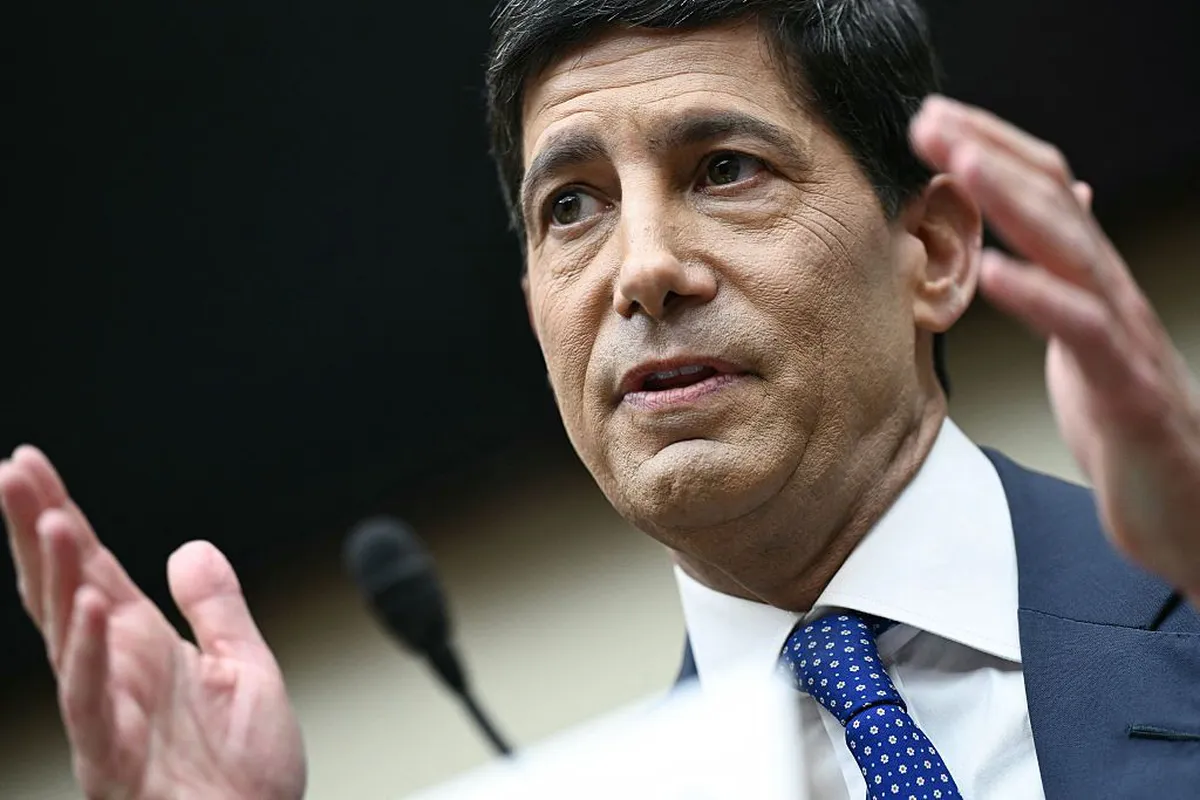
Navigating Challenges: Kevin Warsh's Leadership at the Federal Reserve
Kevin Warsh's tenure as Fed Chair faces immense challenges, from inflation control to political pressures. This article delves into the key conflicts he must navigate as he establishes his authority.
Related articles





Popular in Investing
- Navigating the Dismal Landscape of 2026's Worst-Performing ETFs
- Navigating the Turbulent Waters of Energy Markets: A Deep Dive
- Stablecoin Market Faces $10 Billion Decline — What It Means for Investors
- Cotton Futures Surge Despite Increased Production Forecasts
- Avantus Secures $525 Million for Major California Solar Project