Navigating Challenges: Kevin Warsh's Leadership at the Federal Reserve
Kevin Warsh's tenure as Fed Chair faces immense challenges, from inflation control to political pressures. This article delves into the key conflicts he must navigate as he establishes his authority.
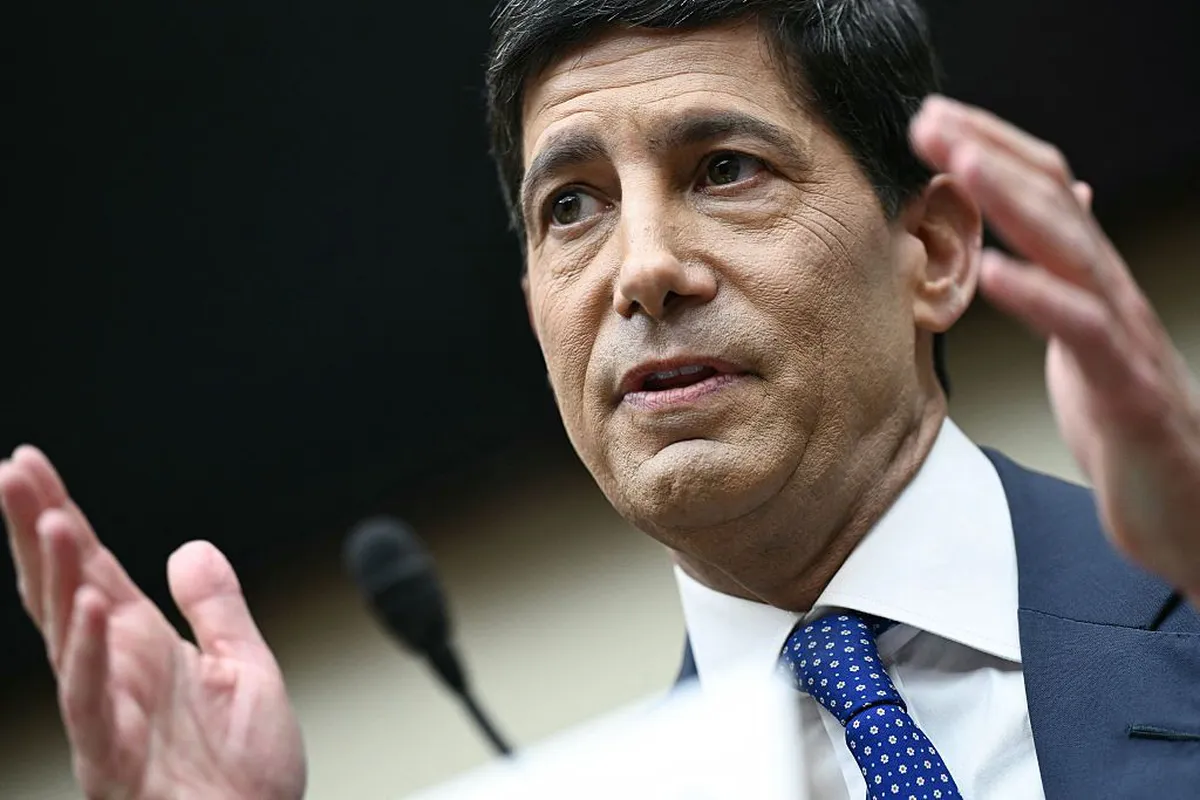
Since his appointment as the 17th chair of the Board of Governors of the Federal Reserve System in May, Kevin Warsh has stepped into a role that is both crucial and fraught with challenges. As the head of the world's most influential central bank, Warsh is confronted with a complex landscape of economic and political pressures that could shape the future of U.S. monetary policy. With inflation remaining a persistent concern and political tensions simmering, his leadership will be tested in ways that could redefine the Fed's approach to economic stability.
As Warsh prepares for his first official testimony before Congress, he faces the monumental task of assuring lawmakers and the public that the Fed is committed to curbing inflation. Recent data from the Consumer Price Index (CPI) offers a glimmer of hope, showing signs of cooling inflation rates, yet the geopolitical landscape, particularly tensions with Iran, adds layers of unpredictability to his efforts. In this article, we will explore five significant conflicts that Warsh must navigate as he solidifies his position and sets the course for the Fed's future.
Warsh's Inflation Challenge
At the core of Warsh's agenda is the battle against inflation, a monetary policy priority that has become increasingly urgent in recent years. Drawing inspiration from past Fed chair Alan Greenspan, Warsh is determined to measure his success by his ability to stabilize prices through adjustments to the federal funds rate. This approach, rooted in monetarist principles, suggests that controlling the money supply is key to managing inflation. However, the challenge lies in the delicate balance between raising interest rates to combat inflation and avoiding a recession that could arise from overly aggressive tightening.
The Impact of Quantitative Easing
One of the most significant legacies Warsh inherits is the Fed's balance sheet, which ballooned during the quantitative easing (QE) era initiated in response to the 2008 financial crisis. As Warsh considers strategies to reduce the balance sheet, he must be mindful of the potential repercussions on bond prices and interest rates. Investors are keenly watching how these changes will unfold, as any misstep could lead to market volatility. The specter of a tightening monetary policy in a fragile economic environment raises questions about the timing and communication of such actions.
Navigating Political Pressures
Warsh's leadership is further complicated by political dynamics, particularly the ongoing tensions with the executive branch. Former Fed Chair Jerome Powell remains a member of the board and has publicly expressed concerns about the potential erosion of the Fed's independence amid political interference. Powell's commitment to maintaining the Fed's autonomy speaks to a broader concern that monetary policy should remain insulated from political considerations. This conflict underscores the importance of preserving the Fed's credibility in the eyes of both the markets and the public.
The Role of Transparency
In a landscape where central bank communications are under scrutiny, Warsh's approach to transparency will be critical. He must find a balance between sharing enough information to reassure stakeholders and maintaining the necessary discretion that central banking demands. The challenge lies in avoiding misinterpretations that could lead to market instability. As Warsh prepares for his testimony, he must navigate these intricate political waters while remaining steadfast in his commitment to effective monetary policy.
Geopolitical Influences on Economic Policy
The geopolitical landscape poses another layer of complexity for Warsh's leadership. The ongoing tensions in the Middle East, particularly with Iran, have implications for global oil prices and, by extension, U.S. inflation. As Iran exerts control over critical energy routes, fluctuations in oil prices can directly impact inflation metrics. The Fed's acknowledgment of these geopolitical factors demonstrates an understanding that monetary policy cannot be viewed in isolation from global events.
Energy Price Volatility
Energy price volatility is a double-edged sword for Warsh. While some recent data suggests that inflationary pressures may be easing, the unpredictability of geopolitical events means that the Fed must remain agile. For instance, any escalation in the Middle East could lead to spikes in oil prices, reversing the progress made in curbing inflation. Warsh's ability to anticipate and respond to these external shocks will be a critical test of his leadership.
Legal Battles and Central Bank Independence
Warsh's authority is further challenged by ongoing legal disputes involving Fed governors and their potential removals. The Supreme Court's ruling in the case of Trump v. Cook has raised questions about the limits of presidential power over the Fed. Chief Justice John Roberts emphasized the importance of protecting the Fed's independence from political whims, underscoring the longstanding tradition of central banking insulated from direct political influence.
The Implications of Judicial Oversight
The Court's decision leaves open the possibility of further legal battles that could shape the future of the Fed's governance structure. With President Trump expressing intentions to challenge the Court's ruling and remove Fed Governor Lisa Cook, the potential for political conflict looms large. Such disputes could create an environment of uncertainty, ultimately impacting the Fed's ability to conduct monetary policy effectively. Warsh's leadership will need to be characterized by a strong defense of the Fed's independence in the face of legal and political pressures.

Building Consensus Within the Fed
Lastly, Warsh's leadership will require him to build consensus within the Federal Reserve itself. With differing perspectives among board members, including those of Christopher Waller, who has been vocal about the need for interest rate hikes, Warsh must navigate these internal conflicts while promoting a cohesive monetary policy strategy. A divided Fed could undermine its effectiveness and credibility, particularly as it faces external pressures.
Fostering Collaboration
To foster collaboration, Warsh will need to engage in transparent dialogue with his colleagues and establish a framework for decision-making that prioritizes economic stability. This involves considering diverse viewpoints while maintaining a clear focus on the Fed's mandate of price stability and maximum employment. Warsh's ability to unify the board will be a critical factor in determining the Fed's effectiveness in achieving its goals.
Key Takeaways
- Warsh's Leadership Challenges: Kevin Warsh faces significant challenges, including inflation control, political pressures, and geopolitical instability.
- Central Bank Independence: Protecting the Fed's autonomy from political interference is crucial for maintaining credibility in monetary policy.
- Geopolitical Factors: Events in the Middle East directly impact energy prices and inflation, complicating Warsh's policy decisions.
- Internal Consensus: Building a cohesive strategy within the Fed is essential to navigate diverse viewpoints and achieve economic stability.
Frequently Asked Questions
What are the main responsibilities of the Federal Reserve Chair?
The Federal Reserve Chair is responsible for guiding the country's monetary policy, which includes setting interest rates, managing inflation, and overseeing the Fed's operations. The chair also plays a crucial role in communicating policy decisions to Congress and the public, working to maintain confidence in the financial system. Additionally, the chair represents the Fed in discussions with other central banks and international financial institutions.
How does inflation impact the economy?
Inflation erodes purchasing power, meaning consumers can buy less with the same amount of money. High inflation can lead to increased costs for goods and services, which can negatively affect consumer spending, business investment, and overall economic growth. Central banks, like the Federal Reserve, aim to control inflation to ensure price stability, which is essential for maintaining a healthy economy.
What is the significance of the Fed's independence?
The independence of the Federal Reserve is vital for its effectiveness in conducting monetary policy. An independent central bank can make decisions free from political pressure, allowing it to focus on long-term economic goals rather than short-term political considerations. This independence helps build credibility and trust in the Fed's actions, which is crucial for managing inflation and ensuring economic stability.
How does the Fed respond to geopolitical events?
The Federal Reserve considers geopolitical events when formulating monetary policy, as these events can have significant implications for the economy. For example, conflicts that disrupt oil supply chains can lead to increased energy prices and inflationary pressures. The Fed monitors global developments and adjusts its policy stance as needed to mitigate potential risks to economic stability.
This content is educational, not financial advice.
Comments
Why Short-Term Bonds are the Smart Investment in Today's Market
In a volatile economic landscape, savvy investors are shifting focus from long-term bonds to short-term options. Explore the advantages of embracing the belly of the yield curve, where opportunities abound for higher yields and lower risks.

Related articles





Popular in Investing
- Navigating the Dismal Landscape of 2026's Worst-Performing ETFs
- Navigating the Turbulent Waters of Energy Markets: A Deep Dive
- Stablecoin Market Faces $10 Billion Decline — What It Means for Investors
- Cotton Futures Surge Despite Increased Production Forecasts
- Avantus Secures $525 Million for Major California Solar Project