Unlocking the Growth Potential of Intercontinental Exchange (ICE)
Intercontinental Exchange (ICE) has become a focal point for investors amid concerns about market competition and AI disruption. This article explores ICE's current standing, growth prospects, and what investors should consider moving forward.

In the ever-evolving landscape of financial markets, few companies have made as substantial an impact as Intercontinental Exchange, Inc. (ICE). As a leading financial services company, ICE provides technology, data, and market infrastructure to a variety of stakeholders, including financial institutions, corporations, and government entities. However, recent investor sentiment has raised questions about ICE's growth potential amid concerns surrounding competition and disruptions from artificial intelligence (AI). This article delves into ICE's current market position, growth prospects, and what investors should consider as they navigate this complex environment.
Understanding Intercontinental Exchange's Business Model
Founded in 2000, Intercontinental Exchange has grown to become a vital player in the global financial services arena. The company operates numerous exchanges, including the New York Stock Exchange (NYSE), and offers various financial products and services ranging from data analytics to risk management tools.
Core Offerings and Market Position
ICE's business model is built around several key offerings:
- Market Infrastructure: ICE operates several exchanges, allowing for trading in a wide array of assets, including stocks, commodities, and derivatives.
- Data Services: The company provides crucial market data, analytics, and risk management solutions which are essential for financial institutions aiming to navigate volatile markets.
- Technology Solutions: ICE's technology framework supports trading activities while ensuring compliance with regulatory requirements.
These core offerings give ICE a competitive edge, enabling it to leverage strong network effects—the more users and participants that engage with its platforms, the more valuable the services become.

Recent Performance: A Mixed Bag
Despite ICE's solid business foundation, recent performance metrics have raised eyebrows among investors. According to the Oakmark Select Fund's Q2 2026 investor letter, ICE was identified as a significant detractor to the fund's performance, which reported a return of 9.39% compared to the S&P 500's 15.20%. The fund's concerns centered on ICE's stock price decline attributed to investor worries about competitive pressures and potential threats from AI.
Market Sentiment and Stock Performance
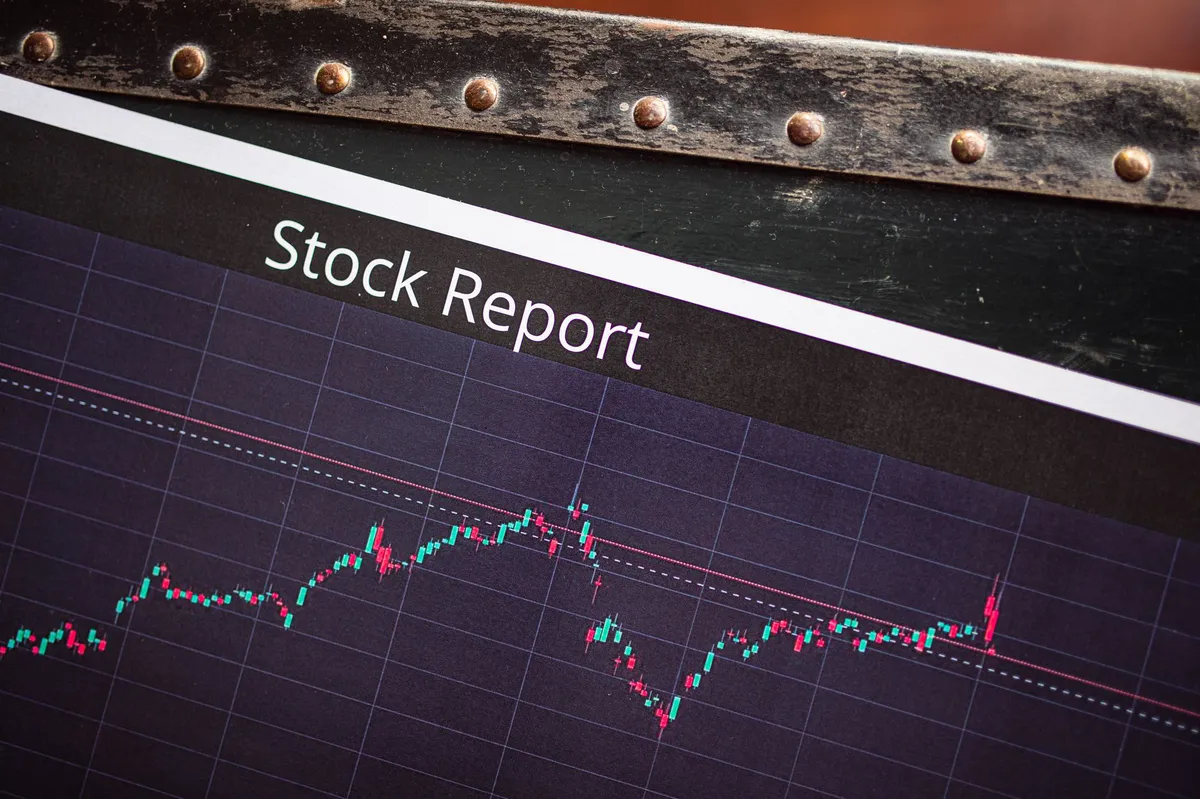
On July 13, 2026, ICE shares closed at $137.67, reflecting a market capitalization of approximately $77.85 billion. Over the past year, ICE's stock has faced challenges, including a 23.43% decline in value. The fund noted a one-month return of -2.56% for ICE, indicating a growing skepticism among market participants about the company's immediate prospects.
Specifically, concerns have emerged regarding potential competition from new exchanges planning to launch perpetual futures and the broader implications of AI advancements on financial services. However, analysts from Oakmark maintain that these perceived threats may not significantly impact ICE's robust business model.
Growth Prospects: A Long Runway Ahead
Despite the recent turbulence, many analysts believe that Intercontinental Exchange holds significant long-term growth potential. The company's ability to generate double-digit earnings per share growth is a testament to its operational resilience. In Q1 2026, ICE reported record net revenues of $3 billion, marking an impressive 18% year-over-year increase.
Key Growth Drivers
Several factors could fuel ICE's continued growth:
- Technological Advancements: As financial markets become increasingly reliant on technology, ICE can capitalize on its robust technology solutions to enhance trading efficiency and compliance.
- Expanding Data Services: The growing demand for data analytics in trading and risk management presents an opportunity for ICE to expand its service offerings and customer base.
- Strategic Acquisitions: ICE has a history of pursuing strategic acquisitions that enhance its market position and diversify its product offerings.
These elements, combined with ICE's focus on returning a majority of its free cash flow to shareholders, indicate a commitment to sustaining growth while rewarding investors.

Investor Considerations: Navigating the Landscape
For investors contemplating an investment in Intercontinental Exchange, several considerations are paramount. While the company's fundamentals present a compelling case for long-term investment, the current market sentiment reflects a cautious approach.
Assessing Market Trends and Risks
Investors should be mindful of ongoing trends in the financial services sector, particularly the increasing influence of AI and technological disruption. While some analysts express concern over competition, others argue that ICE's established market presence and diverse service offerings will mitigate risks.
Additionally, investors should weigh the potential for returns against the backdrop of broader market dynamics. The recent performance of ICE shares compared to the S&P 500 serves as a reminder of the volatility inherent in the financial markets. Therefore, diversifying one's investment portfolio and considering a mix of growth and value stocks may be advantageous.
Key Takeaways
- Intercontinental Exchange operates a robust business model centered on market infrastructure, data services, and technology solutions.
- The company has faced recent stock price declines amid concerns about competition and AI disruption.
- Despite short-term challenges, ICE boasts strong revenue growth and significant long-term potential.
- Investors should carefully consider market trends and diversification strategies when evaluating ICE as an investment opportunity.
Frequently Asked Questions
What are the primary drivers of Intercontinental Exchange's growth?
Intercontinental Exchange's growth is primarily driven by its technological advancements, expanding data services, and strategic acquisitions. As the demand for technology and data analytics continues to rise in the financial sector, ICE stands to benefit from its established market presence and innovative solutions.
How has investor sentiment affected ICE's stock performance?
Recent investor sentiment has been cautious regarding ICE, with concerns about competitive pressures and AI disruption contributing to a decline in stock performance. This sentiment is reflected in the company's recent struggles in the market, including a notable drop in share value over the past year.
What should investors consider before investing in ICE?
Investors should consider the broader market dynamics and trends impacting the financial services sector, particularly the implications of AI and technological disruption. Additionally, diversifying their investment portfolio and balancing growth with value stocks may help mitigate risks associated with volatility in the market.
Can ICE recover from its recent stock price decline?
While ICE has faced recent challenges, its strong fundamentals, including double-digit earnings growth and record revenues, suggest that the company has the potential for recovery. As it continues to leverage its competitive advantages and adapt to market changes, ICE may well regain investor confidence in the long term.
This content is educational, not financial advice.
Comments
Navigating Challenges: Kevin Warsh's Leadership at the Federal Reserve
Kevin Warsh's tenure as Fed Chair faces immense challenges, from inflation control to political pressures. This article delves into the key conflicts he must navigate as he establishes his authority.

Related articles





Popular in Investing
- Navigating the Dismal Landscape of 2026's Worst-Performing ETFs
- Navigating the Turbulent Waters of Energy Markets: A Deep Dive
- Stablecoin Market Faces $10 Billion Decline — What It Means for Investors
- Cotton Futures Surge Despite Increased Production Forecasts
- Avantus Secures $525 Million for Major California Solar Project