HF Sinclair Corporation's Strategic Transformation: Q2 2026 Insights
HF Sinclair's Q2 2026 earnings call reveals significant operational shifts, including a planned spin-off of its Lubricants segment and a focus on renewables, amidst market challenges.
HF Sinclair Corporation is navigating a transformative period as it reported its second-quarter earnings for 2026, showcasing a blend of strategic initiatives aimed at enhancing operational efficiency and adapting to market dynamics. With a focus on separating its Lubricants and Specialties segment into an independent entity, the company is positioning itself to achieve greater agility while addressing the challenges posed by fluctuating global oil markets.
This earnings call, held on July 29, 2026, was marked by discussions around the company's robust refining performance, driven by a combination of strong operational execution and favorable market conditions. Despite external pressures such as geopolitical tensions, HF Sinclair's management remains optimistic about the company's growth trajectory, particularly within its renewables segment.
Strategic Separation of Lubricants and Specialties
One of the most significant announcements from the earnings call was the decision to spin off the Lubricants and Specialties segment into a standalone public company. This move is designed to enhance strategic focus and operational agility, allowing both entities to concentrate on their unique market challenges and opportunities.
Operational Efficiency and Economic Factors
The company plans to retire its Mississauga base oil refining assets, citing economic challenges related to their specific location, size, and scope. This decision reflects a broader trend within the industry as companies navigate the complexities of refining operations and seek to adopt more capital-light models. By transitioning to a distribution-heavy business model, HF Sinclair aims to source Group 2 and 3 oils externally while maintaining its Group 1 production at the Tulsa refinery.
- Projected EBITDA: The Lubricants business is expected to maintain a trailing 12-month EBITDA profile of approximately $300 million to $350 million.
- Capital Efficiency: The shift to external sourcing is expected to materially lower capital intensity and net working capital.
- Timeline: The separation is anticipated to be completed within a 12 to 18-month timeframe.
Robust Refining Performance Amid Market Volatility
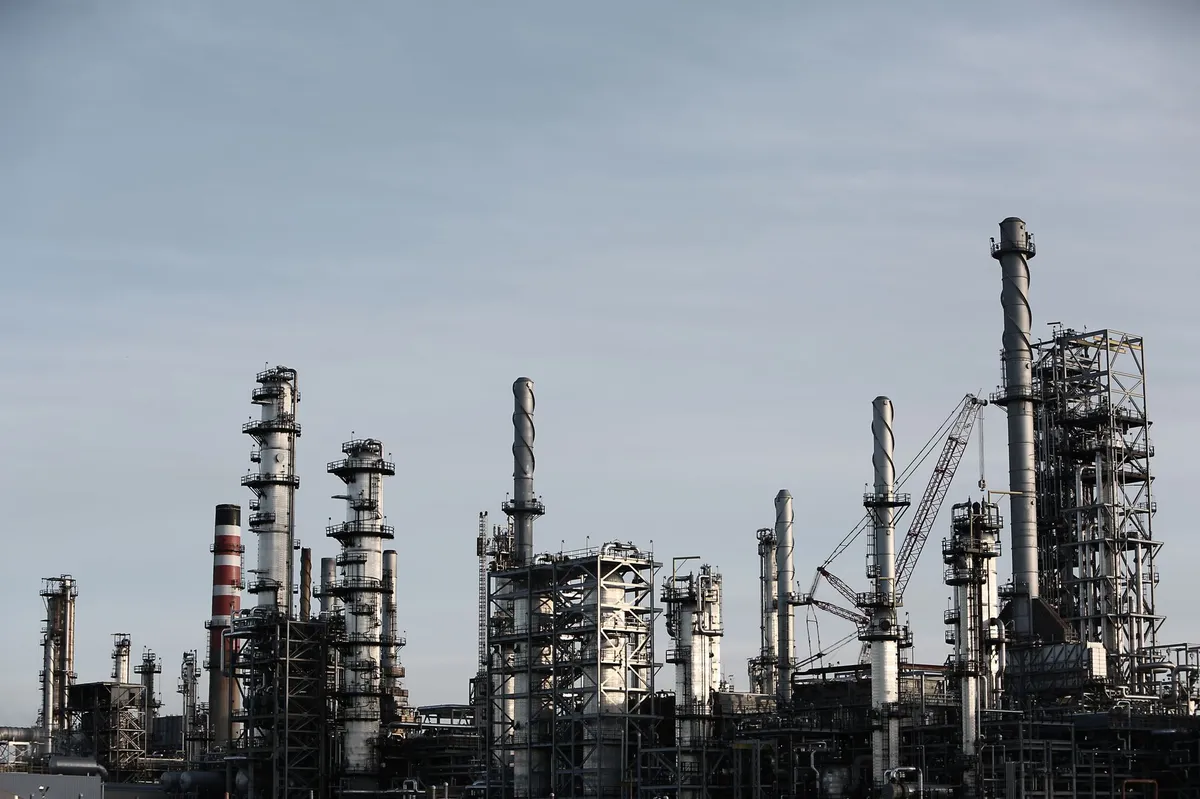
HF Sinclair's refining performance exceeded initial guidance, with a crude oil charge of 640,000 barrels per day. This success can be attributed to operational excellence and the company's ability to optimize molecules across its integrated refining operations. Moreover, the favorable crack spreads and tight supply conditions in the Mid-Continent and West regions have bolstered the company’s financial results, even amidst geopolitical volatility from regions like the Middle East and Russia.
Mid-Continent and West Coast Dynamics
Management highlighted the current tight crack environment as sustainable, driven by low global inventories and the necessary time required to replenish stocks. In particular, Mid-Continent gasoline margins are buoyed by reduced supply moving north, while the West Coast diesel market faces pressure from an influx of renewable diesel volumes.
Renewables Segment: An Emerging Growth Driver
The Renewables segment of HF Sinclair reported an impressive adjusted EBITDA of $123 million, benefiting from increased Renewable Identification Numbers (RINs) prices, enhanced producer tax credits, and disciplined execution of strategic initiatives. This segment is increasingly becoming a critical growth driver for the company.
Technological Reinvestment and Future Outlook
In light of ongoing market demands, HF Sinclair management has expressed a commitment to reinvesting in technological advancements within its refining assets. This strategic focus is aimed at ensuring long-term reliability and competitiveness, particularly as liquid fuel demand shows signs of resilience. The company’s proactive approach towards innovation will be fundamental in maintaining its market position.
Growth Initiatives and Capital Allocation
As part of its growth strategy, HF Sinclair is advancing its 'Go West' logistics initiative, targeting a Final Investment Decision (FID) for Phase 1 in 2026. This ambitious project aims to supply 35,000 barrels of oil per day to Nevada by 2029, showcasing the company's commitment to expanding its operational footprint.
Capital Distribution and Shareholder Value
Management plans to maintain a 50% capital distribution payout ratio, utilizing excess cash for share repurchases and pursuing high-return 'tuck-in' mergers and acquisitions (M&A) opportunities in Marketing and Midstream. Notably, the company recently increased its quarterly dividend by 5% to $0.525 per share, reflecting confidence in its diversified cash flow generation capabilities.
- Dividend Increase: Quarterly dividend raised to $0.525 per share.
- Capital Distribution Strategy: 50% payout ratio targeting shareholder returns.
- Focus on M&A: Pursuing tuck-in opportunities offering mid-20% expected returns.

Addressing Regulatory Challenges
Alongside its operational strategies, HF Sinclair is actively addressing regulatory headwinds, particularly concerning Small Refinery Exemptions (SREs). Management expressed urgency regarding these exemptions, noting that the industry RIN bank could turn negative without immediate regulatory relief. This highlights the importance of staying attuned to regulatory developments that could impact operational viability and profitability.
Asset Impairment and Inventory Valuation
The company also recorded a $47 million asset impairment and a $30 million inventory valuation charge in the Renewables segment during the second quarter. These adjustments underscore the volatility and financial risks associated with the energy sector.

Key Takeaways
- The separation of the Lubricants segment into an independent entity aims to enhance operational agility.
- HF Sinclair's refining performance exceeded expectations, supported by favorable market conditions.
- Renewables segment shows promising growth, with strategic reinvestment planned.
- The company is committed to a balanced capital distribution strategy while pursuing M&A opportunities.
- Regulatory challenges persist, necessitating vigilant monitoring and proactive management.
Frequently Asked Questions
What is the expected impact of the Lubricants spin-off on HF Sinclair?
The Lubricants spin-off is expected to allow both HF Sinclair and the new entity to focus more effectively on their respective markets, potentially capturing higher market valuations. The decision to separate rather than sell was driven by a desire to enhance tax efficiency and maintain value for existing shareholders.
How does HF Sinclair plan to address the challenges posed by regulatory headwinds?
HF Sinclair is actively monitoring regulatory developments, particularly regarding Small Refinery Exemptions (SREs). Management has indicated that the absence of timely regulatory relief could lead to negative impacts on the industry’s Renewable Identification Numbers (RIN) bank, which could affect operational performance and profitability.
What are the potential growth areas for HF Sinclair in the coming years?
HF Sinclair is focusing on several growth initiatives, including its 'Go West' logistics project aimed at supplying additional crude oil to Nevada, as well as enhancing its Renewables segment through technological reinvestment and operational improvements. These initiatives are expected to drive future revenue growth and enhance the company's competitive positioning.
How has HF Sinclair performed financially in Q2 2026?
In Q2 2026, HF Sinclair reported strong financial results, with refining performance exceeding guidance and an adjusted EBITDA of $123 million from its Renewables segment. The company also announced a 5% increase in its quarterly dividend, showcasing confidence in its diversified cash flow generation and overall financial health.
Disclaimer: The content is educational, not financial advice.
Comments
Meta's Earnings Call: A Missed Opportunity and Market Reaction
Meta's recent earnings call revealed concerns over future capital expenditure plans, leading to a significant drop in stock prices. This article explores the implications of their financial performance and market expectations.

Related articles






Popular in Investing
- Navigating the Dismal Landscape of 2026's Worst-Performing ETFs
- Stablecoin Market Faces $10 Billion Decline — What It Means for Investors
- Avantus Secures $525 Million for Major California Solar Project
- Navigating the Pet Stocks Market: Opportunities Amidst Challenges
- Market Turmoil: How Geopolitical Tensions and Earnings Reports Impact Stocks