Oil Prices Plummet Amid Geopolitical Tensions and Diplomatic Hopes
Oil prices dropped sharply as the U.S. paused military actions against Iran, signaling a potential shift toward diplomacy. Here's what it means for the global oil market.
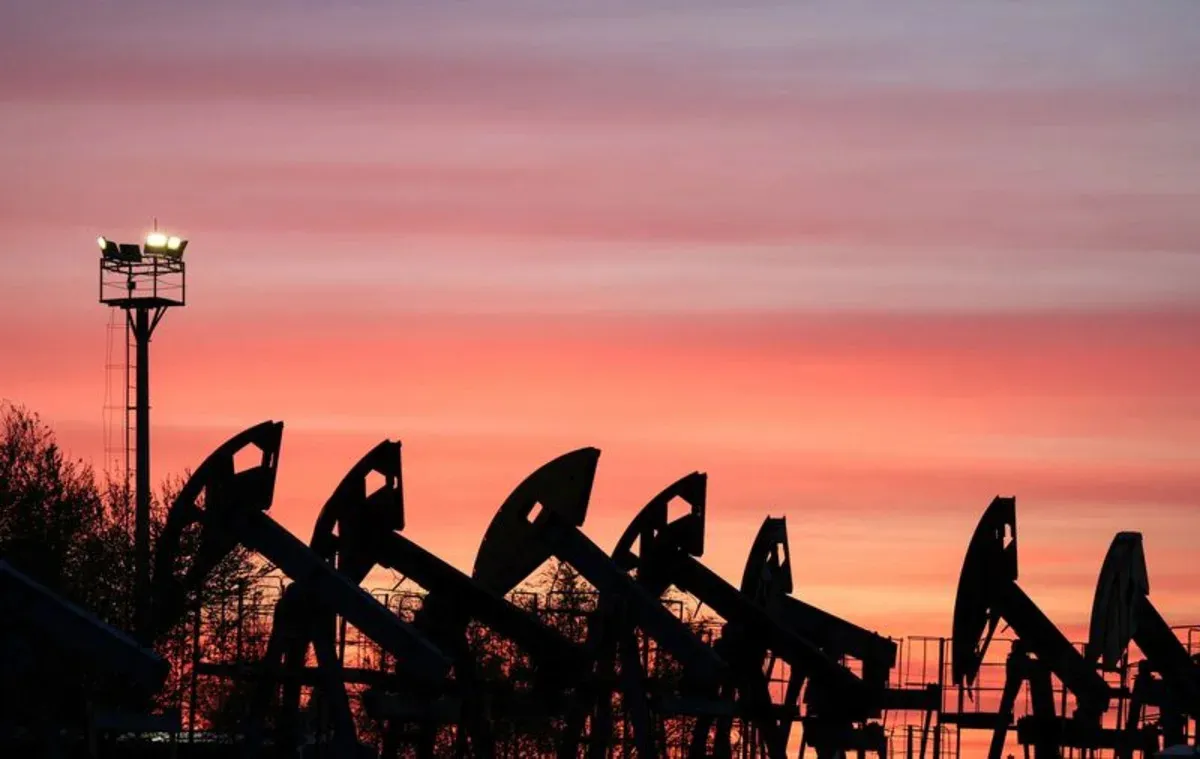
In a dramatic turn of events this week, oil prices have fallen to the lowest levels seen in over a week, driven by the U.S. government's unexpected pause in military actions against Iran. This development has sparked both caution and optimism in the global oil market, as traders and analysts grapple with the implications of this diplomatic maneuver. For many, the pause symbolizes a glimmer of hope for a peaceful resolution to ongoing tensions that have significantly hindered oil shipments from one of the world’s most critical shipping routes, the Strait of Hormuz.
On Monday, Brent crude futures experienced a notable decline, plummeting by $8.42, or 8.7%, to settle at $88.36 per barrel—the lowest since July 17. Similarly, U.S. West Texas Intermediate (WTI) crude futures fell by $6.70, or 7.5%, closing at $82.61. This sudden downturn comes on the heels of rising prices, which had previously surged above $100 a barrel due to escalating conflicts that threatened oil exports through vital maritime routes.
Geopolitical Context: U.S. and Iran
The recent pause in U.S. military air strikes against Iran has been interpreted as a strategic move by President Donald Trump to foster a more conducive environment for diplomatic negotiations. In statements made during a media appearance, Trump emphasized that the U.S. is engaging in “good talks” with Iran, suggesting that there may be a “good chance” for a potential agreement. However, this optimism is juxtaposed with threats of “strong military action” should these diplomatic efforts fail.
The Impact of Military Actions on Oil Prices
The fluctuating oil prices are a direct reflection of the geopolitical climate surrounding oil production and transportation. The Strait of Hormuz, a narrow passage through which approximately 20% of the world’s oil flows, is pivotal for global oil markets. A military strike or heightened tensions in this region can lead to immediate price spikes as traders react to the perceived risk of supply shortages.
- Brent crude futures fell to $88.36 per barrel.
- WTI crude futures closed at $82.61.
- Oil prices reached over $100 prior to the pause.
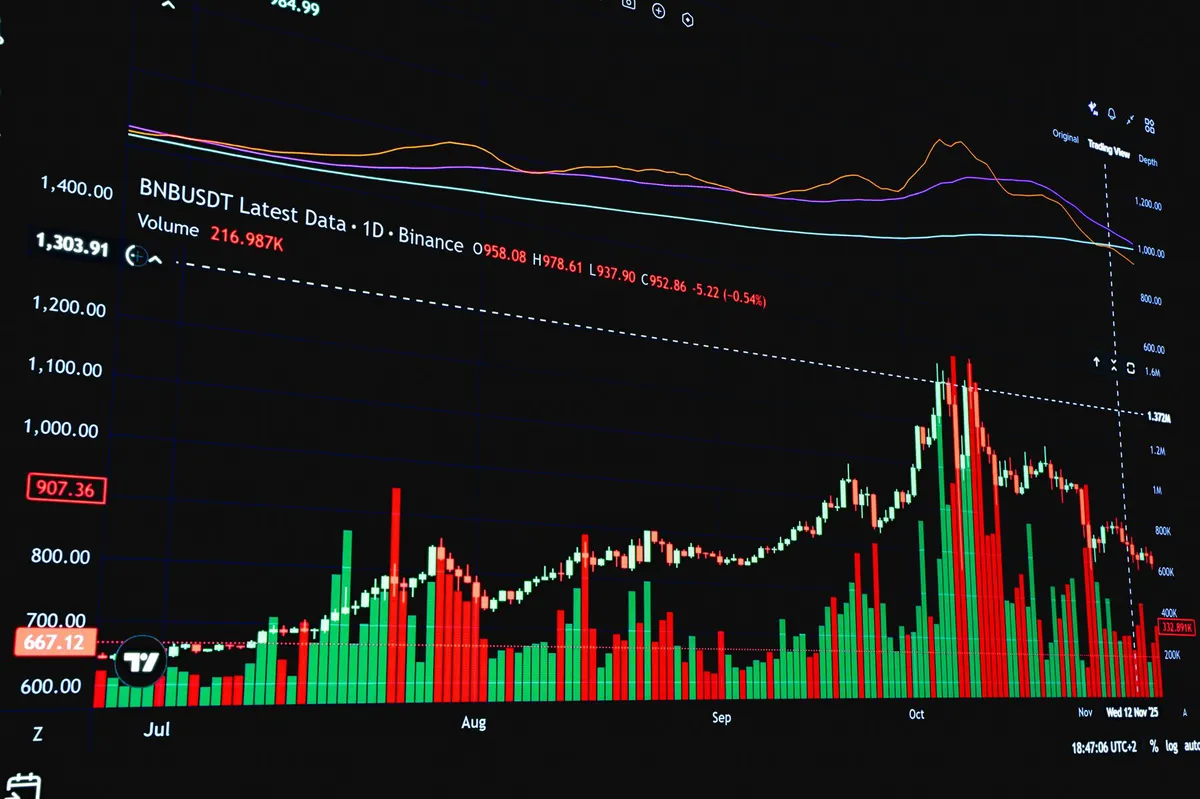
Market Reactions and Future Predictions
Despite the pause in hostilities, analysts caution that the oil market remains vulnerable to volatility. John Evans, an analyst from PVM, noted that while the cessation of military strikes might seem like a positive development, it does not guarantee a swift return to normalcy in oil shipping. The market has been characterized by a persistent search for positive news, yet the underlying tensions continue to loom large.
Industry experts predict that oil prices may continue to fluctuate as the market responds to updates regarding the informal ceasefire between the U.S. and Iran. According to Alex Hodes, director of energy market strategy at StoneX, the physical flow of oil remains constrained, and shipping volumes through the Strait of Hormuz are still significantly below normal levels.
Shipping Volumes and Export Challenges
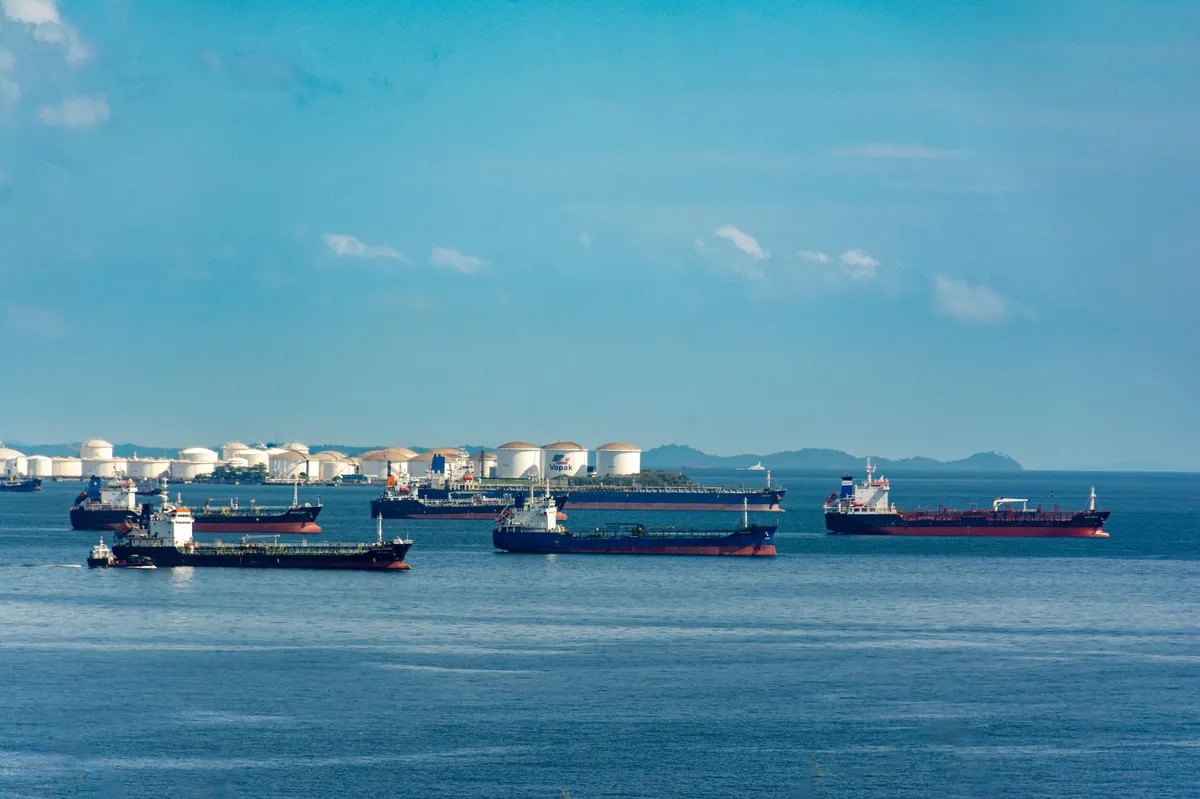
Recent shipping data from Kpler reveals that fewer than ten commodity vessels passed through the Strait of Hormuz daily over the weekend. This represents a drastic reduction, with flows dropping to approximately 15% of pre-war levels. In normal circumstances, around 20 million barrels of crude oil, condensate, and refined products transit through this vital passage daily. However, current disruptions have forced longer and more expensive reroutes for Saudi Arabia’s oil exports, further complicating the outlook for oil prices.
Wider Implications for Global Oil Supply
The impact of geopolitical tensions on oil supply is not limited to Iran and the Strait of Hormuz. The situation is further exacerbated by the recent closure of Kazakhstan's main exporting terminal in the Black Sea due to drone attacks. Kazakhstan, one of the world's ten largest oil producers, has more than halved its daily oil output, which could contribute to tightening global supplies.
Despite the reopening of the Caspian Pipeline Consortium's Black Sea terminal, market analysts warn that the resurgence of oil production will not be immediate. The ongoing situation in regions like Yemen, where Houthi rebels have attacked Saudi oil installations, adds another layer of uncertainty to the market.
Understanding Market Volatility
As industry experts analyze these developments, it is crucial to recognize the interconnected nature of the global oil market. Political events in one region can have ripple effects across the globe, influencing everything from gas prices at the pump to the stability of global financial markets. The energy sector is particularly sensitive to these fluctuations, with investors closely monitoring developments to gauge their potential impact on supply and price stability.

Key Takeaways
- The U.S. has paused military actions against Iran, affecting oil prices.
- Brent crude settled at $88.36, while WTI closed at $82.61.
- Shipping volumes through the Strait of Hormuz are significantly below normal levels.
- Global oil supply is constrained due to geopolitical tensions and regional conflicts.
Frequently Asked Questions
Why do military actions influence oil prices?
Military actions can create uncertainties surrounding the stability of oil supply routes, particularly in regions like the Middle East where a significant portion of the world's oil is transported. When tensions escalate, traders often react by driving prices up in anticipation of potential supply disruptions. Conversely, diplomatic resolutions can lead to price declines as fears of shortages diminish.
What is the significance of the Strait of Hormuz for oil exports?
The Strait of Hormuz is one of the world’s most vital maritime chokepoints for oil transportation, through which about 20% of global oil supply passes. Any disruption in this area can lead to significant price volatility and has far-reaching implications for energy security worldwide. As such, geopolitical tensions in this region are closely monitored by both traders and governments.
How do geopolitical events affect global oil supply?
Geopolitical events can lead to changes in oil production, export capacities, and shipping routes. Conflicts may result in production cuts or disruptions in key exporting countries, which can tighten global supplies and increase prices. Additionally, geopolitical risks can lead to higher transportation costs as shipping routes become less secure, prompting companies to seek alternative, often more expensive, pathways.
Comments
Meta's Earnings Call: A Missed Opportunity and Market Reaction
Meta's recent earnings call revealed concerns over future capital expenditure plans, leading to a significant drop in stock prices. This article explores the implications of their financial performance and market expectations.

Related articles







Popular in Investing
- Navigating the Dismal Landscape of 2026's Worst-Performing ETFs
- Stablecoin Market Faces $10 Billion Decline — What It Means for Investors
- Avantus Secures $525 Million for Major California Solar Project
- Navigating the Pet Stocks Market: Opportunities Amidst Challenges
- Market Turmoil: How Geopolitical Tensions and Earnings Reports Impact Stocks