AI Infrastructure Boosts Gold Demand in Electronics Sector
Gold demand in the electronics sector surged by 4% in the second quarter, driven primarily by the rising need for AI infrastructure. This article explores the factors behind this growth, the challenges facing the consumer electronics market, and the broader implications for gold demand.

The second quarter of 2026 marked a notable uptick in gold demand within the electronics sector, attributed largely to the ongoing boom in artificial intelligence (AI) infrastructure. This increase, amounting to a 4% rise year-over-year, saw gold usage climb to 68.3 tonnes, as reported by the World Gold Council. While the surge in AI investments helped offset a downturn in consumer device shipments, it also highlighted the shifting dynamics within the electronics market, particularly as traditional consumer electronics face significant challenges.
As the world increasingly turns to AI to drive innovation and efficiency, the demand for electronic components has surged, resulting in a robust appetite for gold. This article takes a closer look at the factors contributing to this trend, the implications for different sectors, and the challenges that lie ahead for both gold demand and the electronics industry.
AI Infrastructure: The Driving Force Behind Gold Demand
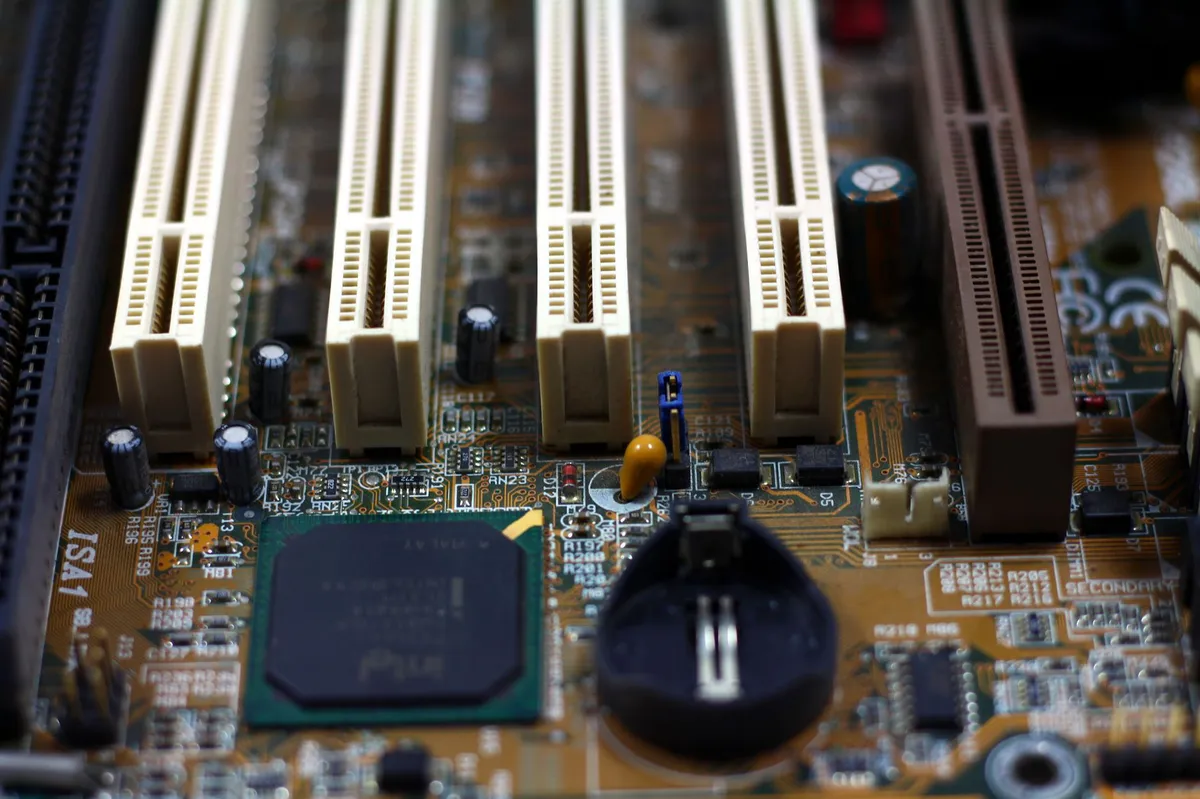
The electronics sector is a significant consumer of gold, primarily due to its extensive use in various components such as server mainboards, integrated circuit substrates, and printed circuit boards. These components are essential for AI infrastructure, which is rapidly becoming a cornerstone of technological advancement. Specifically, the rise in demand for memory and semiconductors has been propelled by the increasing reliance on AI capabilities.
Components Driving Gold Usage
Key areas where gold is utilized in electronics include:
- AI Server Mainboards: These serve as the backbone of AI data centers.
- Integrated Circuit Substrates: Essential for efficient electronic signal processing.
- Printed Circuit Boards: Found in everything from smartphones to satellites.
- Memory Chips and Semiconductors: Critical for processing and storage in AI applications.
- Automotive Lighting: Gold-tin bonding is used for durability in vehicle lights.
This surge in demand for AI-related components is a significant factor in the increase of gold usage, as manufacturers seek high-quality materials that can withstand the demands of modern technology.
Challenges in the Consumer Electronics Market
Despite the positive trends in the AI sector, the consumer electronics market is experiencing a downturn. The International Data Corporation (IDC) forecasts a staggering 13.9% decrease in smartphone shipments for 2026, translating to approximately 1.09 billion units. This decline is expected to be the sharpest annual drop in the smartphone market's history.
Factors Contributing to the Decline
Several factors are contributing to this decline in consumer electronics:
- Surging Memory Costs: Increased costs for memory components have driven up the overall price of consumer devices.
- Market Saturation: Many consumers already own high-quality smartphones, reducing the necessity for upgrades.
- Shifts to Alternative Technologies: The rising popularity of ceramic alternatives in dentistry, as well as other substitutes, has impacted gold demand.
This duality in the market—strong demand in AI infrastructure juxtaposed with a slump in consumer electronics—has created a complex landscape for gold demand.
Broader Implications for Gold Demand
While AI infrastructure spending is currently buoying gold demand in the electronics sector, there are potential risks that could undermine this growth. The World Gold Council has flagged concerns that a downturn in electronics or weaker-than-expected returns from AI investments could lead to a significant reduction in gold consumption.
Understanding Market Vulnerabilities
The potential vulnerabilities in the market include:
- AI Investment Volatility: If investors experience diminishing returns from AI technologies, funding for infrastructure may decrease.
- Consumer Electronics Slowdown: A continued decline in smartphone and laptop shipments could further diminish gold demand.
- Increased Substitution: As high gold prices persist, manufacturers may increasingly substitute gold with cheaper materials in various applications.
These factors could impact not only the electronics sector but also the global gold market as a whole.

Gold Demand in Context
Long-Term Outlook for Gold
The long-term outlook for gold demand remains complex. While the rise of AI and advancements in technology present opportunities for growth, the potential for economic fluctuations and shifts in consumer behavior could lead to volatility in the gold market. Investors and industry stakeholders should keep a close eye on these trends as they unfold.

Key Takeaways
- AI Infrastructure is Driving Gold Demand: The electronics sector saw a 4% increase in gold demand due to AI investments.
- Consumer Electronics are Struggling: Smartphone shipments are expected to decline sharply in 2026.
- Potential Risks Ahead: Weaker AI returns could negatively impact gold demand.
- Gold Demand Context: Technology accounted for 80.4 tonnes of gold usage in a total of 1,269 tonnes.
- Central Banks are Active Buyers: Central banks purchased 289 tonnes of gold in the same period.
Frequently Asked Questions
What factors are contributing to the rise in gold demand from the electronics sector?
The rise in gold demand from the electronics sector is largely attributed to the increased investment in AI infrastructure. As technology companies ramp up their capabilities to support AI applications, the demand for high-quality electronic components, which often utilize gold, has surged. This includes components like memory chips, printed circuit boards, and server mainboards.
How is the decline in consumer electronics affecting gold demand?
The decline in consumer electronics, particularly in smartphone shipments, poses a challenge for gold demand. As manufacturers face reduced sales and increased costs, the traditional use of gold in consumer devices may decline. This creates a two-speed dynamic in the market, where AI-driven demand contrasts with falling consumer electronics sales.
What are the potential risks to the current gold demand trends?
Potential risks include weaker returns from AI investments that could lead to reduced funding for infrastructure. Additionally, if the consumer electronics market continues to falter, it could further diminish gold demand in that sector. Rising gold prices may also prompt manufacturers to seek cheaper alternatives to gold, impacting long-term demand.
What is the overall outlook for gold demand in the coming years?
The overall outlook for gold demand is mixed. While the increasing reliance on AI technology presents new opportunities for gold usage, the potential for economic downturns and shifts in consumer habits could lead to volatility. Stakeholders should remain vigilant and adapt to the changing landscape to navigate future demand effectively.
This content is for educational purposes only and should not be considered financial advice.
Comments
Unlocking the Potential of Dividend Stocks in Your Investment Portfolio
Discover the essential role of dividend stocks in boosting investment returns and providing income, particularly for retirees. Test your knowledge and learn key strategies.

Related articles







Popular in Investing
- Navigating the Dismal Landscape of 2026's Worst-Performing ETFs
- Stablecoin Market Faces $10 Billion Decline — What It Means for Investors
- Avantus Secures $525 Million for Major California Solar Project
- Navigating the Pet Stocks Market: Opportunities Amidst Challenges
- Market Turmoil: How Geopolitical Tensions and Earnings Reports Impact Stocks