Navigating Today's Turbulent Markets: Is Safety the Best Investment Strategy?
As geopolitical tensions rise and economic uncertainties loom, many investors are seeking safer investment options. This article explores the benefits of Treasury securities and bond ETFs, detailing how these instruments can provide stability and yield in a volatile market.

The financial landscape in 2023 is a complex and turbulent one, marked by geopolitical conflicts, soaring inflation rates, and rapid advancements in artificial intelligence. With the ongoing war in Iran creating waves of uncertainty, investors are increasingly looking for safe havens to protect their capital. Amid these challenges, Treasury securities and specialized bond exchange-traded funds (ETFs) are gaining traction as reliable investment options that promise stability and attractive yields. In this feature, we will delve into the current market climate, analyze the benefits of fixed-income investments, and offer strategies for navigating the evolving financial terrain.
With the specter of war hanging over the global economy, coupled with inflation eroding purchasing power and the unpredictable nature of AI-driven markets, the question arises: should investors prioritize safety over growth? The answer may lie in the increasing appeal of fixed-income investments, which offer not only government-backed security but also potential for income generation in a volatile environment.
The Impact of Geopolitical Tensions on Investments
Geopolitical instability, particularly the war in Iran, has far-reaching implications for global markets. The conflict has implications for oil prices, trade routes, and investor sentiment, all of which can cause significant fluctuations in stock and bond prices. Investors are often left guessing as to how these tensions will play out and affect their portfolios.
Understanding the Market Response
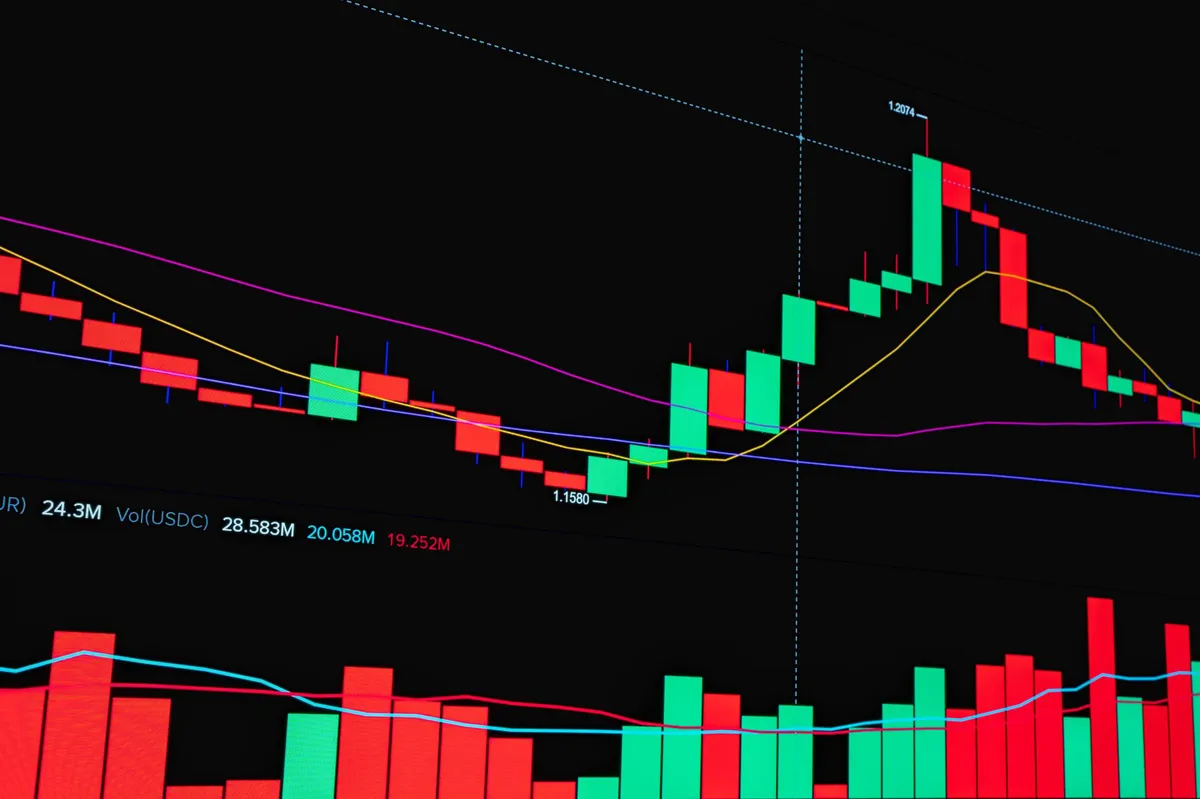
As the situation develops, market reactions can often be knee-jerk, causing investors to sell off equities in favor of safer assets. This trend is evident in the increased trading volumes of Treasury securities, which have surged as investors seek to shield their capital from potential downturns in the stock market. The allure of fixed-income investments, particularly in the form of U.S. Treasuries, lies in their government backing and the promise of timely interest payments.
Why Treasury Securities Are a Smart Choice
Treasury securities, including bills, notes, and bonds, are considered one of the safest investments available. Backed by the full faith and credit of the U.S. government, these securities come with a guarantee of principal and interest payments, making them an attractive option for risk-averse investors.
Tax Benefits and Yield Potential
One of the key advantages of U.S. Treasury securities is their favorable tax treatment. The interest earned on these securities is exempt from state and local taxes, which can result in higher effective yields for investors. For instance, the current yield on a 30-year Treasury bond is hovering around 5%, a rate not seen since 2007. This yield level provides a compelling reason for investors to consider Treasuries as part of their fixed-income strategy.
Buying Treasury Securities: Strategies and Options
Traditionally, investors purchased Treasury securities through TreasuryDirect.gov. However, increased demand has led to delays and inefficiencies in the system. As a result, many investors are turning to brokerage firms that offer streamlined access to Treasury securities and other fixed-income products.
Modern Brokerage Solutions
Brokerage firms like Charles Schwab and Fidelity Investments are enhancing their platforms to better serve investors interested in fixed-income securities. Here are some options:
- Charles Schwab: Offers a comprehensive range of Treasury products, including customizable bond ladders to suit varying maturity needs.
- Fidelity Investments: Provides access to a vast selection of bonds and Treasuries, with minimal trading fees.
- Public: An innovative platform that allows investors to buy Treasuries in increments as low as $100, making them accessible to a broader audience.
- Interactive Brokers (IBKR): Offers a global trading environment with access to a diverse array of fixed-income products, without built-in markups.
The Rise of Bond ETFs
As investors seek flexibility and diversification, bond ETFs have emerged as a popular investment vehicle. These funds allow investors to gain exposure to a variety of fixed-income assets without the need to purchase individual bonds, which can be cumbersome and costly.
Why Choose Bond ETFs?
Bond ETFs, particularly ultra-short-duration Treasuries, are attracting significant inflows. According to F/m Investments, approximately $25 billion flowed into these ETFs following the escalation of the Iran conflict. The appeal lies in their ability to pay competitive rates while offering protection against inflationary pressures. Here are some notable characteristics:
- Liquidity: Bond ETFs can be traded throughout the day, providing investors with the ability to react quickly to market changes.
- Income Generation: Many bond ETFs aim to distribute interest monthly, providing a reliable income stream.
- Diversification: Investing in a bond ETF allows for exposure to a range of maturities, which can help mitigate interest rate risk.

Key Takeaways
- Geopolitical tensions and inflation are driving investors to seek safer investments.
- Treasury securities offer government-backed safety and favorable tax treatment.
- Modern brokerage platforms provide easy access to Treasuries and bonds.
- Bond ETFs are gaining popularity for their liquidity and income potential.
Frequently Asked Questions
What are the risks associated with Treasury securities?
While Treasury securities are considered low-risk, they are not entirely risk-free. Investors may face interest rate risk, where rising rates can lead to falling bond prices. Additionally, inflation can erode the purchasing power of fixed interest payments. However, the government backing provides a layer of security that is unmatched by most other investments.
How can I invest in bond ETFs?
Investing in bond ETFs is relatively straightforward. You can purchase them through most brokerage accounts, just like stocks. Look for ETFs that focus on Treasury securities or specific maturity ranges. It's important to consider the fund's expense ratio and historical performance when making your selection.
Are there any tax implications for investing in Treasury securities?
Yes, the interest income from U.S. Treasury securities is exempt from state and local taxes, which can enhance your overall returns. However, it is still subject to federal income tax. Investors should keep this in mind when assessing the net yield of their investment.
Should I consider adding bond ETFs to my portfolio?
Bond ETFs may be a wise addition for investors looking to balance risk and return. They can provide income, diversification, and reduce overall portfolio volatility. However, consider your investment goals and risk tolerance before making any decisions. Consulting a financial advisor can also provide personalized guidance.
Disclaimer: The content is educational and not financial advice.
Comments
Unlocking the Potential of Dividend Stocks in Your Investment Portfolio
Discover the essential role of dividend stocks in boosting investment returns and providing income, particularly for retirees. Test your knowledge and learn key strategies.

Related articles







Popular in Investing
- Navigating the Dismal Landscape of 2026's Worst-Performing ETFs
- Stablecoin Market Faces $10 Billion Decline — What It Means for Investors
- Avantus Secures $525 Million for Major California Solar Project
- Navigating the Pet Stocks Market: Opportunities Amidst Challenges
- Market Turmoil: How Geopolitical Tensions and Earnings Reports Impact Stocks