How a $1,000 Investment in JPMorgan Chase Transformed Over 20 Years
Discover how a $1,000 investment in JPMorgan Chase stock two decades ago would have grown, highlighting the bank's resilience and market performance.
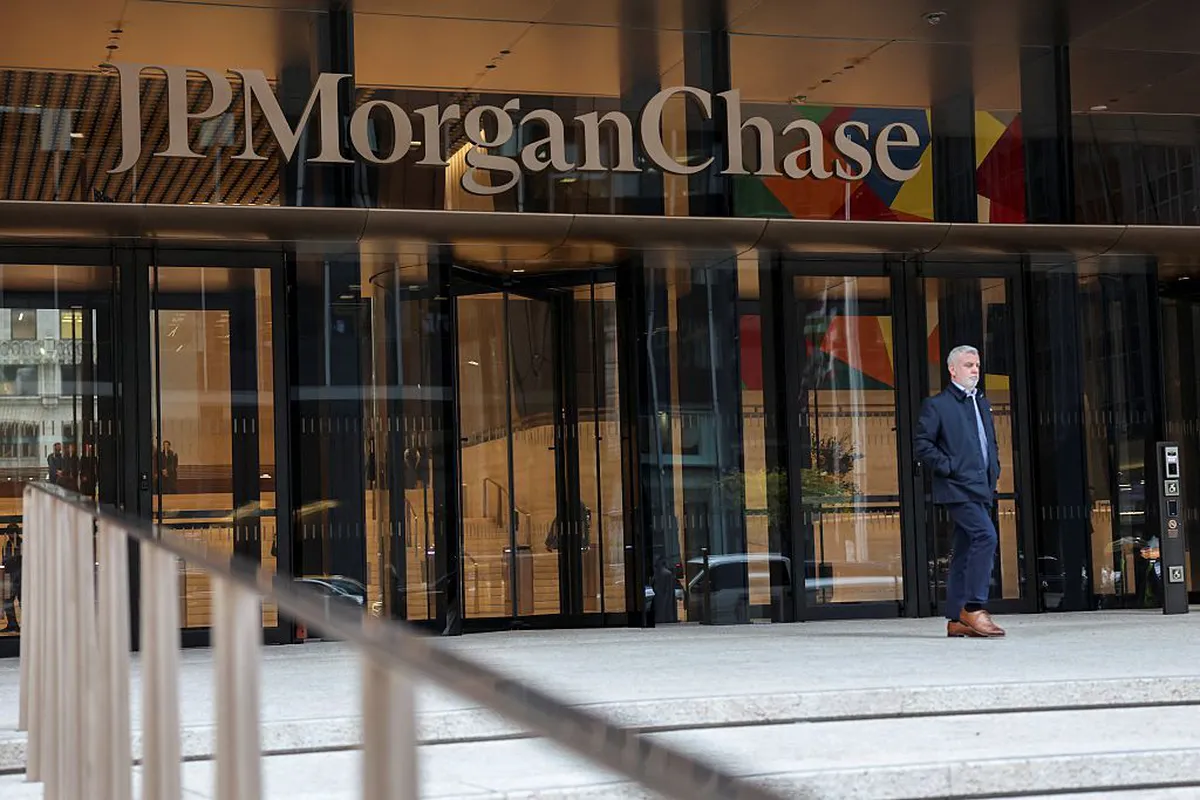
Two decades can change much in the financial landscape, but for investors in JPMorgan Chase (JPM), the journey has been nothing short of remarkable. If you had invested $1,000 in JPMorgan Chase stock in 2003, your investment would have multiplied to approximately $12,500 today, an impressive annualized return of 13.5%. Such growth not only reflects the bank's ability to navigate turbulent economic waters but also its strategic positioning in the financial sector.
Under the stewardship of CEO Jamie Dimon since 2005, JPMorgan Chase has consistently outperformed its competitors and the broader market, even weathering crises that have brought many financial institutions to their knees. This article delves into the key factors behind JPMorgan Chase's success, what this means for investors, and why understanding such long-term investments can be crucial for financial planning.
The Rise of JPMorgan Chase: A Historical Perspective
JPMorgan Chase has a storied history, with roots tracing back to the 18th century. The modern incarnation of the bank was shaped significantly by its leadership and strategic decisions, particularly during the financial crisis of 2007-2008. While many banks were recklessly investing in subprime mortgage-backed securities, Dimon took a more conservative approach, reducing the bank's exposure to riskier assets. This decision not only safeguarded JPMorgan's assets but also positioned the bank as a resilient player in a collapsing market.
Strategic Acquisitions and Growth
JPMorgan Chase capitalized on the misfortunes of others during the financial crisis. In March 2008, the bank acquired Bear Stearns, a move supported by the Federal Reserve, at a fire-sale price of $2 per share. Later that year, it purchased Washington Mutual's banking operations after the latter's bankruptcy, which marked the largest bank failure in U.S. history. These acquisitions expanded JPMorgan's footprint and customer base, allowing it to diversify its services.

JPMorgan Chase's Performance Post-Crisis
Following the financial crisis, JPMorgan Chase was not without challenges. The bank faced billions in fines related to the mortgage operations of its acquired companies, and a stricter regulatory environment made it difficult for financial institutions to return capital to shareholders. However, by the late 2010s, JPMorgan's diversified banking model began to pay off. It was able to leverage its strengths in consumer banking, commercial banking, investment banking, and asset management to generate significant revenues.
Impact of Rising Interest Rates
The recent environment of rising interest rates has further bolstered JPMorgan Chase's financial standing. Net interest income (NII), which is the difference between the income generated from loans and the interest paid on deposits, surged by a record 34% year-over-year, reaching over $89.3 billion in 2023. This growth trajectory is expected to continue, with projections estimating NII to exceed $95.4 billion by 2025.
Comparative Investment Growth: JPMorgan Chase vs. S&P 500
When analyzing the performance of JPMorgan Chase, it's essential to consider it against broader market indices. An investment of $1,000 in JPMorgan Chase stock 20 years ago would have grown to about $12,500, reflecting an annualized total return of 13.5%. In comparison, the same investment in an S&P 500 ETF would have yielded a value of approximately $8,400, translating to an 11.2% annualized return. This stark difference underscores JPMorgan's ability to deliver superior returns over the long term.
Market Sentiment and Analyst Projections
Looking forward, analysts remain generally bullish on JPMorgan Chase. Among 23 analysts covering the stock, a consensus recommendation leans towards Buy, with nine analysts rating it as a Strong Buy. Analysts like Stephen Biggar from Argus Research highlight JPMorgan's robust lending growth profile, strong credit card offerings, and anticipated market share gains in capital markets as factors that contribute to its positive outlook.
Valuation Insights
Despite the favorable projections, some analysts suggest that the market may not fully appreciate JPMorgan’s strengths. They argue that the current forward price-to-earnings ratio could undervalue the bank's franchise. For investors, this presents a potential opportunity to capitalize on a strong institution that has consistently delivered results.

Key Takeaways
- Long-term Investment Growth: A $1,000 investment in JPMorgan Chase stock 20 years ago would be worth approximately $12,500 today.
- Resilience Through Crises: The bank's conservative risk management during the financial crisis set it apart from its competitors.
- Rising Interest Rates Boost Profits: JPMorgan Chase has seen a significant increase in net interest income, benefiting from the current economic climate.
- Analyst Confidence: A majority of analysts have a positive outlook for JPMorgan, rating it as a Buy or Strong Buy.
Frequently Asked Questions
What are the main factors contributing to JPMorgan Chase's success?
JPMorgan Chase's success can be attributed to its conservative risk management strategies, strategic acquisitions during times of market distress, and a diversified business model that spans various financial services. The ability to adapt to changing economic conditions, such as rising interest rates, has also played a crucial role in its performance.
How does JPMorgan Chase compare to other major banks?
JPMorgan Chase has consistently outperformed many of its peers within the banking sector, especially in terms of total returns over time. Its diversified business approach and strong leadership have enabled it to navigate economic challenges that have hindered the performance of other banks.
What should investors consider before investing in bank stocks?
Before investing in bank stocks, investors should evaluate the bank's financial health, management strategies, and market conditions. Understanding the regulatory environment and the bank's risk exposure to economic downturns is also crucial. It’s essential to assess how the bank performs during different economic cycles to gauge its long-term viability.
Is it too late to invest in JPMorgan Chase?
While past performance is not indicative of future results, JPMorgan Chase continues to have a positive outlook according to analysts. Investors should conduct thorough research and consider their financial goals before deciding to invest. The bank's strong fundamentals and market position suggest that it may still present a worthwhile investment opportunity.
Disclaimer: This content is educational and not financial advice.
Comments
Unlocking the Potential of Dividend Stocks in Your Investment Portfolio
Discover the essential role of dividend stocks in boosting investment returns and providing income, particularly for retirees. Test your knowledge and learn key strategies.

Related articles







Popular in Investing
- Navigating the Dismal Landscape of 2026's Worst-Performing ETFs
- Stablecoin Market Faces $10 Billion Decline — What It Means for Investors
- Avantus Secures $525 Million for Major California Solar Project
- Navigating the Pet Stocks Market: Opportunities Amidst Challenges
- Market Turmoil: How Geopolitical Tensions and Earnings Reports Impact Stocks