US Treasury Doubles Bond Buybacks: What It Means for Investors
The U.S. Treasury has announced a significant increase in bond buyback operations, aiming to stabilize long-dated Treasury yields. This move responds to recent market pressures and has implications for both government financing and private sector borrowing costs.
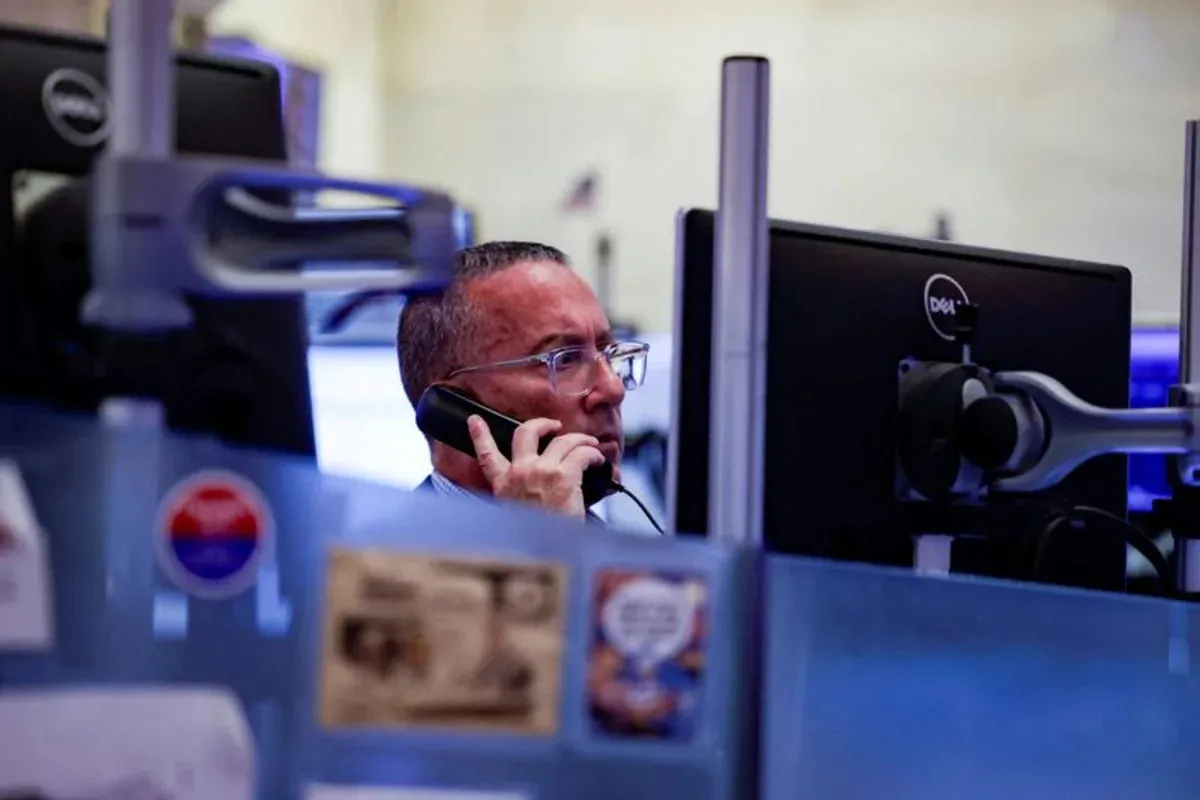
The U.S. Treasury has taken a decisive step to counteract rising long-dated Treasury yields by doubling its bond buyback operations. This announcement, made on August 19, 2026, marks a significant intervention in the bond market, where yields had recently climbed to their highest levels in nearly two decades. As the Treasury aims to stabilize these yields, both government financing and private sector borrowing costs are at the forefront of this critical economic maneuver.
The implications of this policy shift are broad, affecting everything from mortgage rates to consumer loans. With the U.S. economy still navigating the complexities of inflation and interest rate fluctuations, understanding this bond buyback initiative is essential for investors, homeowners, and anyone reliant on credit.
Understanding the Bond Buyback Program
The U.S. Treasury's decision involves increasing the size of liquidity support buyback operations for longer-dated nominal coupon securities from $2 billion to at least $4 billion per operation. These operations will encompass the 10-year to 20-year sector and the 20-year to 30-year sector, running from September 9 through November 4, 2026.
The rationale behind this increase lies in the Treasury's recognition of the pressures exerted on the bond market. As long-term yields surged, the potential risk of economic slowdown and increased borrowing costs became evident. By engaging in buybacks, the Treasury seeks to inject liquidity back into the market, supporting bond prices and reducing yields.

The Impact on Long-Dated Treasury Yields
In response to the announcement, long-dated Treasury yields experienced a sharp decline. The yield on the 30-year U.S. bond fell nearly 10 basis points, bringing it down to approximately 5.187%. This immediate reaction underscores the sensitivity of the bond market to government policy changes. To put this into perspective, a 10 basis point decrease can equate to significant savings for borrowers—particularly those with fixed-rate mortgages or long-term loans.
Market analysts have noted that the increase in Treasury buybacks aims to alleviate pressures not only on government debt but also on private sector borrowing. Higher yields can translate to increased costs for consumers, as they typically lead to higher interest rates on mortgages, auto loans, and credit cards. Therefore, the Treasury's action could provide a much-needed relief for many Americans.
Market Reactions and Expert Insights
Market experts have weighed in on the Treasury's decision, highlighting the interconnectedness of long-dated yields and broader economic conditions. Jeremy Stretch, head of G10 FX strategy at CIBC in London, remarked that the Treasury Secretary's adjustments indicate an awareness of the risks posed by rising yields. The drop in yields following the announcement reflects market participants' reactions to these policy changes.
Additionally, Rene Albrecht, a senior analyst at DZ Bank in Germany, emphasized the potential ramifications of maintaining yields above 5%. He pointed out that not only does this raise interest costs for the government, but it also impacts the private sector, particularly ahead of the upcoming midterm elections. As the government seeks to manage its debt profile and inflationary pressures, the bond buyback initiative serves as a critical tool in its economic strategy.

Broader Economic Implications
The Treasury's actions come at a time when inflation remains a significant concern for the U.S. economy. With inflation rates oscillating and interest rates on the rise, the government's proactive approach to stabilizing bond yields is crucial. If left unchecked, rising yields could lead to increased borrowing costs for both consumers and businesses, potentially stalling economic growth.
Moreover, the bond market's performance is closely tied to investor sentiment. A stable yield environment can foster confidence in the economy, encouraging investment and spending. Conversely, volatile yields may lead to uncertainty, prompting investors to pull back from riskier assets. For everyday Americans, the implications of these market dynamics can be felt in various ways—from mortgage rates to job security.
Who Stands to Benefit?
The Treasury's buyback initiative primarily aims to benefit government financing and private sector borrowing. Here are some key groups that may experience positive effects:
- Homebuyers: Stabilized mortgage rates can make home buying more affordable.
- Businesses: Lower borrowing costs can facilitate expansion and investment.
- Investors: A more stable bond market may encourage investment in long-term securities.
- Taxpayers: Lower interest rates can reduce government borrowing costs, which ultimately affects taxpayer funds.

Key Takeaways
- The U.S. Treasury has doubled its bond buyback operations to $4 billion.
- This measure aims to stabilize long-dated Treasury yields and support the economy.
- Lower yields can lead to reduced borrowing costs for consumers and businesses.
- The bond buyback program is scheduled to run from September 9 to November 4, 2026.
- Market analysts view this as a proactive move to combat rising inflation and interest rates.
Frequently Asked Questions
What are bond buybacks, and why are they important?
Bond buybacks are operations where the Treasury purchases its own bonds from the market, effectively reducing the supply and supporting bond prices. This is important because it helps stabilize yields, which can influence interest rates across the economy. Lower yields can result in more affordable loans for consumers and businesses, thereby supporting economic growth.
How do rising Treasury yields affect my finances?
Rising Treasury yields generally lead to increased interest rates on various loans, including mortgages, auto loans, and credit cards. This can result in higher monthly payments for borrowers, which may constrain consumer spending and impact overall economic activity. Conversely, lower yields, as targeted by the Treasury's buybacks, can alleviate these financial pressures.
What should I do if I’m considering a mortgage or a loan now?
If you're considering a mortgage or loan, it's essential to stay informed about current interest rates and market trends. With the Treasury's buyback initiative aiming to stabilize yields, this could be an opportune time to secure financing. Consult with a financial advisor to understand how these changes may affect your specific situation and to explore the best options for your needs.
How does this affect the overall economy?
The Treasury's bond buyback program is designed to stabilize the financial markets, which can lead to increased consumer confidence and spending. By reducing borrowing costs, the program can encourage investment in various sectors, thereby stimulating economic growth. If successful, this initiative can help maintain a healthier economic environment, benefiting both businesses and consumers alike.
This content is educational and not financial advice.
Comments
Microsoft's Evolution: A Deep Dive into Its Growth and Innovation Strategies
Microsoft continues to redefine its role in the tech ecosystem, leveraging AI and cloud technology while navigating the complexities of market dynamics. This article explores Microsoft's innovation legacy and its current market positioning.

Related articles





Popular in Investing
- Navigating the Dismal Landscape of 2026's Worst-Performing ETFs
- Stablecoin Market Faces $10 Billion Decline — What It Means for Investors
- Cotton Futures Surge Despite Increased Production Forecasts
- Avantus Secures $525 Million for Major California Solar Project
- Navigating the Pet Stocks Market: Opportunities Amidst Challenges