Nissan and Honda: New Collaboration Talks After Failed Merger
Nissan and Honda are exploring new collaboration opportunities, focusing on projects rather than a merger. With Nissan's recent successes and Honda's struggles, the two companies seek to leverage their strengths in the evolving auto industry.
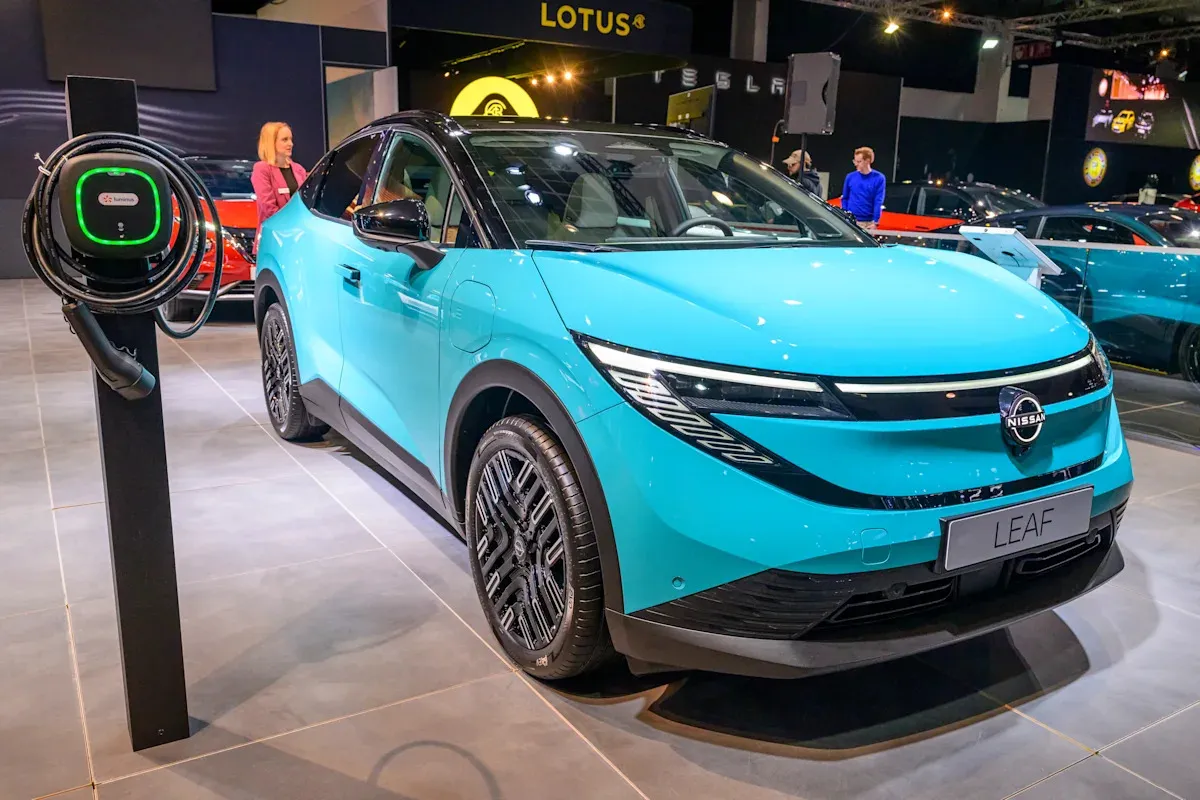
In a significant shift from previous merger discussions that collapsed in early 2025, Nissan and Honda are now engaging in talks aimed at fostering collaboration on specific automotive projects. This renewed dialogue highlights the dynamics of the automotive industry, which is rapidly evolving with the advent of electric vehicles (EVs) and changing consumer demands. Nissan's CEO, Iván Espinosa, has expressed optimism about these discussions, emphasizing that they are constructive and focused on mutual benefits rather than integration or merger.
The potential collaboration comes at a pivotal moment for both automakers. While Nissan is experiencing a resurgence, reporting 16 consecutive months of sales growth and returning to profitability under Espinosa’s strategic restructuring plan, Honda is grappling with its first-ever annual loss. This contrast in fortunes sets the stage for a partnership that could leverage Nissan's recent successes and Honda's established reputation in the automotive market.
The Shift in Strategy: From Merger Talks to Project Collaboration
The initial merger talks between Nissan and Honda, valued at an eye-popping $60 billion, ended in disappointment due to fundamental disagreements over control and structure. Honda's proposal would have positioned Nissan as a subsidiary, a model Nissan firmly rejected. The fallout from the failed merger left both companies reassessing their strategies and exploring alternative ways to work together.
What Does This New Collaboration Entail?
Espinosa's recent comments suggest a strategic pivot towards three specific areas of collaboration, which could prove beneficial for both automakers:
- U.S. Manufacturing Capacity: Both Nissan and Honda recognize the need to bolster their manufacturing capabilities in the U.S. This presents an opportunity for collaboration on production lines and shared resources.
- Electric Vehicle (EV) Hardware: As the automotive industry shifts towards electrification, the need for efficient and advanced EV architecture is paramount. Discussions include the possibility of a common software stack for their electric vehicles.
- Hybrid Battery Supply: With increasing demand for hybrid vehicles in the U.S., establishing a joint approach to battery supply for hybrids could streamline operations and reduce costs.
These areas of focus reflect the changing landscape of the automotive industry, where collaboration is becoming increasingly vital to compete in a market that is rapidly adopting new technologies.
Nissan's Recent Successes and Honda's Challenges
The contrasting trajectories of Nissan and Honda since the collapse of their merger talks are noteworthy. Under Espinosa's leadership, Nissan has successfully turned its fortunes around, achieving a steady increase in sales and profitability. Key to this revival has been a focus on product innovation and revitalization, with plans to reintroduce popular models like the Xterra SUV and enhance existing offerings, such as the Rogue EREV hybrid.
In stark contrast, Honda's recent performance has been troubling. The company reported its first annual loss, a significant shift from its previous strong financial health. This downturn has raised questions about Honda's ability to compete effectively in a market increasingly dominated by electric and hybrid vehicles. Espinosa's belief in a partnership with Honda suggests that Nissan sees potential in collaborating with a historically strong competitor, even amidst its current challenges.
Future Outlook: What’s Next for Nissan and Honda?
As Nissan and Honda prepare to unveil updates regarding their ongoing discussions, the automotive world is keenly watching for developments that could reshape their future. Both companies are scheduled to report their fiscal quarterly earnings later this summer, which could provide further insights into their financial health and the potential for collaboration.
While it's uncertain whether this will lead to a formal agreement or merely a joint statement, the focus on discrete projects signals a pragmatic approach by both automakers. By concentrating on specific areas of collaboration, Nissan and Honda may be able to enhance their competitiveness without the complexities and risks associated with a full merger.
Potential Implications for the Automotive Industry
The discussions between Nissan and Honda could have broader implications for the automotive industry. As manufacturers face increasing pressure to innovate and adapt to changing consumer preferences, collaborative projects may become a more common strategy. This trend could pave the way for other automakers to pursue similar partnerships, potentially leading to a more interconnected automotive landscape.

Key Takeaways
- Nissan and Honda are exploring collaborative projects focused on U.S. manufacturing, EV hardware, and hybrid battery supply.
- The renewed talks come after a failed $60 billion merger attempt due to control disagreements.
- Nissan has seen a turnaround in profitability and sales, while Honda faces its first annual loss.
- Future announcements regarding their collaboration are anticipated alongside upcoming fiscal earnings reports.
- The collaboration could set a precedent for other automakers seeking partnerships in a rapidly changing market.
Frequently Asked Questions
What were the reasons behind the collapse of the merger talks between Nissan and Honda?
The merger talks between Nissan and Honda collapsed primarily due to disagreements over control and governance structures. Honda proposed a framework that would make Nissan a subsidiary, which Nissan rejected, preferring to maintain its independence and equal partnership status. This clash of interests ultimately led both companies to explore alternative avenues for collaboration.
How might the collaboration benefit both Nissan and Honda?
The collaboration could allow both automakers to share resources, reduce costs, and enhance their competitive edge in a rapidly evolving automotive landscape. By focusing on mutual interests—such as enhancing U.S. manufacturing capacity, developing joint EV hardware, and creating a hybrid battery supply chain—they can leverage each other's strengths to address market demands more effectively.
What impact could this collaboration have on the automotive market?
If successful, the partnership could signal a shift in the automotive industry towards more collaborative efforts among manufacturers. As automakers face increasing pressures to innovate and adapt to consumer preferences for electric and hybrid vehicles, such collaborations may become essential for survival, potentially leading to a more interconnected and cooperative market.
When can we expect updates on the discussions between Nissan and Honda?
Updates on the discussions are expected to coincide with the upcoming fiscal quarterly earnings reports from both companies later this summer. These announcements will likely provide further insights into the progress of their collaboration talks and any potential agreements that may be on the horizon.
Disclaimer: The content is educational, not financial advice.
Comments
Levi Strauss Shares Dip Despite Strong Earnings: What It Means for Investors
Levi Strauss & Co. posted impressive earnings, but its stock fell. Explore the reasons behind this market reaction and what it means for investors.

Related articles





Popular in Investing
- Navigating the Dismal Landscape of 2026's Worst-Performing ETFs
- Navigating the Turbulent Waters of Energy Markets: A Deep Dive
- Stablecoin Market Faces $10 Billion Decline — What It Means for Investors
- Cotton Futures Surge Despite Increased Production Forecasts
- Avantus Secures $525 Million for Major California Solar Project