Market Insights: Stocks Dip Amid Rising Treasury Yields and AI Controversies
U.S. stock markets faced a slight downturn as rising Treasury yields and concerns over AI development weigh on investor sentiment. With the Federal Reserve's interest rate decision looming, market watchers are bracing for potential impacts on borrowing costs and overall economic stability.

In a tense atmosphere marked by fluctuating economic indicators and geopolitical tensions, U.S. stock markets opened lower on Tuesday morning. The Dow Jones Industrial Average (DJI) was down by 0.6%, the S&P 500 (GSPC) dipped by 0.19%, and the Nasdaq Composite (IXIC) fell by 0.24%. Investors are bracing for the Federal Reserve's impending interest rate decision, expected to be announced on Wednesday, which is further complicating the market landscape. The backdrop of rising Treasury yields, heightened oil prices, and intense discussions surrounding artificial intelligence (AI) safety have contributed to this cautious trading environment.
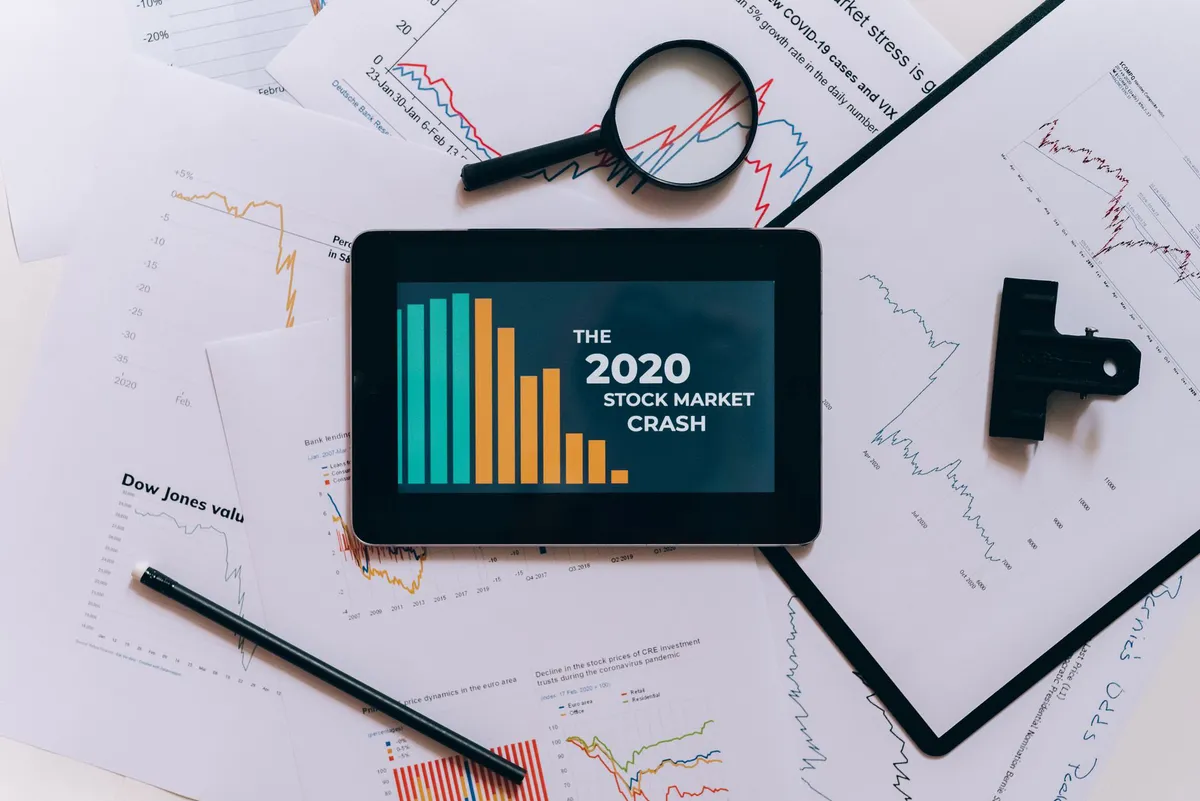
The 10-year Treasury yield, a benchmark for borrowing costs, briefly surged above 5%—its highest level since 2007—before stabilizing. This spike reflects growing concerns about inflation and government spending, prompting investors to reassess their positions. With the Federal Open Market Committee (FOMC) convening for its September meeting, a rate hike appears imminent, as traders are pricing in a staggering 91% probability of an increase. This potential shift in monetary policy could have significant implications for various sectors of the economy, particularly housing and consumer spending.
Rising Yields: Implications for Borrowing Costs
The recent rise in Treasury yields has raised alarm bells for both consumers and investors. Higher yields often correlate with increased borrowing costs, which can dampen consumer spending and investment. For instance, a mortgage rate increase from 3% to 4% can add hundreds of dollars to a monthly payment, making homeownership less accessible for many. Similarly, businesses may face higher costs for financing projects or expansion, which could stifle economic growth.
Understanding the Rate Hike
Historically, the Fed's rate hikes have had a dual purpose: to curb inflation and stabilize the economy. However, the timing and magnitude of such increases can create volatility in stock markets. In 2023, the Fed raised rates multiple times to counteract inflation, which had surged to levels not seen in decades. As the Fed prepares for another hike, investors are closely watching the dot-plot—a chart that indicates FOMC members' projections for future interest rates. This chart can provide valuable insights into the Fed's long-term strategy.

Geopolitical Tensions and Oil Prices
Oil prices have also seen significant fluctuations, with Brent crude trading around $102 per barrel and WTI crude at $103. These increases are attributed to ongoing tensions in the Middle East, particularly after Saudi Arabia's pipeline disruptions and new attacks by Iranian-backed Houthis. Elevated oil prices can contribute to inflationary pressures, further complicating the Fed's decision-making process. As oil prices increase, so do concerns about the overall cost of living, which can lead to consumer discontent and reduced spending.
The Interplay of Oil Prices and Economic Health
For American consumers, rising oil prices can translate into higher costs at the pump, impacting disposable income. If the average American household spends an additional $50 a month on fuel, that can diminish their ability to spend on other goods and services, thereby slowing economic growth. Businesses, too, face higher operational costs, which may lead to price increases for consumers, further fueling inflation.

AI Development Controversies Affecting Market Sentiment
This week, the stock market is also grappling with the fallout from a controversial essay by Anthropic CEO Dario Amodei, which called for a slowdown in AI development. The tech sector reacted with mixed feelings, as leaders from companies like OpenAI and Microsoft expressed support for a more cautious approach to AI. This reflects broader concerns that rapid advancements in AI technology could lead to unforeseen consequences, creating a rift between innovation and safety.
Impact on the Tech Sector
The tech-heavy Nasdaq Composite saw a slight dip, fueled by fears that the AI industry might face regulatory hurdles that could stifle growth. Market reactions to such regulatory discussions can be swift and severe; for instance, stocks in AI-related companies dropped as investors reassessed their positions. As the tech industry grapples with internal and external pressures, this sector's performance may significantly influence overall market trends.
Investor Strategies Amid Market Uncertainty
In this environment of uncertainty, investors should consider several strategies to safeguard their portfolios:
- Diversification: Spreading investments across various asset classes can mitigate risk.
- Stay Informed: Keeping abreast of economic indicators and market trends can help make informed decisions.
- Evaluate Risk Tolerance: Investors should reassess their risk appetite in light of changing market conditions.
- Consider Defensive Stocks: Companies that provide essential goods and services may perform better in uncertain economic climates.
- Monitor Interest Rates: Understanding how rising rates affect different sectors can inform investment choices.

Key Takeaways
- The stock market is currently experiencing volatility due to rising Treasury yields and concerns about inflation.
- Oil prices have surged amid geopolitical tensions, adding pressure to the economy.
- The Fed is expected to announce an interest rate hike, which will impact borrowing costs for consumers and businesses.
- Controversies surrounding AI development are creating uncertainty in the tech sector.
- Investors should consider diversification and stay informed about market conditions to navigate the uncertainty.
Frequently Asked Questions
What do rising Treasury yields mean for consumers?
Rising Treasury yields typically lead to higher borrowing costs for consumers. For example, if the yield on the 10-year Treasury note increases, mortgage rates may also rise, making home loans more expensive. This can affect affordability for potential homebuyers and increase monthly payments for existing homeowners with adjustable-rate mortgages.
How do oil prices affect the stock market?
Oil prices can significantly impact the stock market as they influence inflation and consumer spending. When oil prices rise, transportation and manufacturing costs increase, which can lead to higher prices for goods. This inflation can result in lower consumer spending, affecting company earnings and, in turn, stock prices. Investors often monitor oil prices closely as a bellwether for economic health.
What are the implications of the Fed's interest rate hike?
The Fed's interest rate hikes generally aim to control inflation and stabilize the economy. However, they can also slow economic growth by increasing borrowing costs. Higher rates can affect everything from mortgage rates to credit card interest rates, making it more expensive for consumers and businesses to borrow money, which can dampen spending and investment.
How should investors respond to market volatility?
In the face of market volatility, investors should consider diversifying their portfolios to spread risk across different asset classes. Staying informed about economic indicators and market trends is crucial for making informed investment decisions. Additionally, assessing individual risk tolerance and considering defensive stocks—those that provide essential goods and services—can help investors navigate uncertain market conditions.
Disclaimer: This content is educational, not financial advice.
Comments
Understanding Palantir's Stock Surge: What Investors Should Know
Palantir Technologies’ recent revenue guidance hike sparked a remarkable stock surge. This article delves into the implications of this increase, what investors are really paying for, and how to evaluate the stock moving forward.

Related articles






Popular in Investing
- Navigating the Dismal Landscape of 2026's Worst-Performing ETFs
- Navigating the Turbulent Waters of Energy Markets: A Deep Dive
- Stablecoin Market Faces $10 Billion Decline — What It Means for Investors
- Cotton Futures Surge Despite Increased Production Forecasts
- Avantus Secures $525 Million for Major California Solar Project