Bankruptcy of Synergy CHC May Propel Reckitt Benckiser to New Heights
The bankruptcy of Synergy CHC, the maker of Focus Factor, opens a pathway for Reckitt Benckiser to capture market share in the brain health sector. With Costco's recent decision to drop Focus Factor, we explore the implications for both companies and what this means for consumers and investors alike.
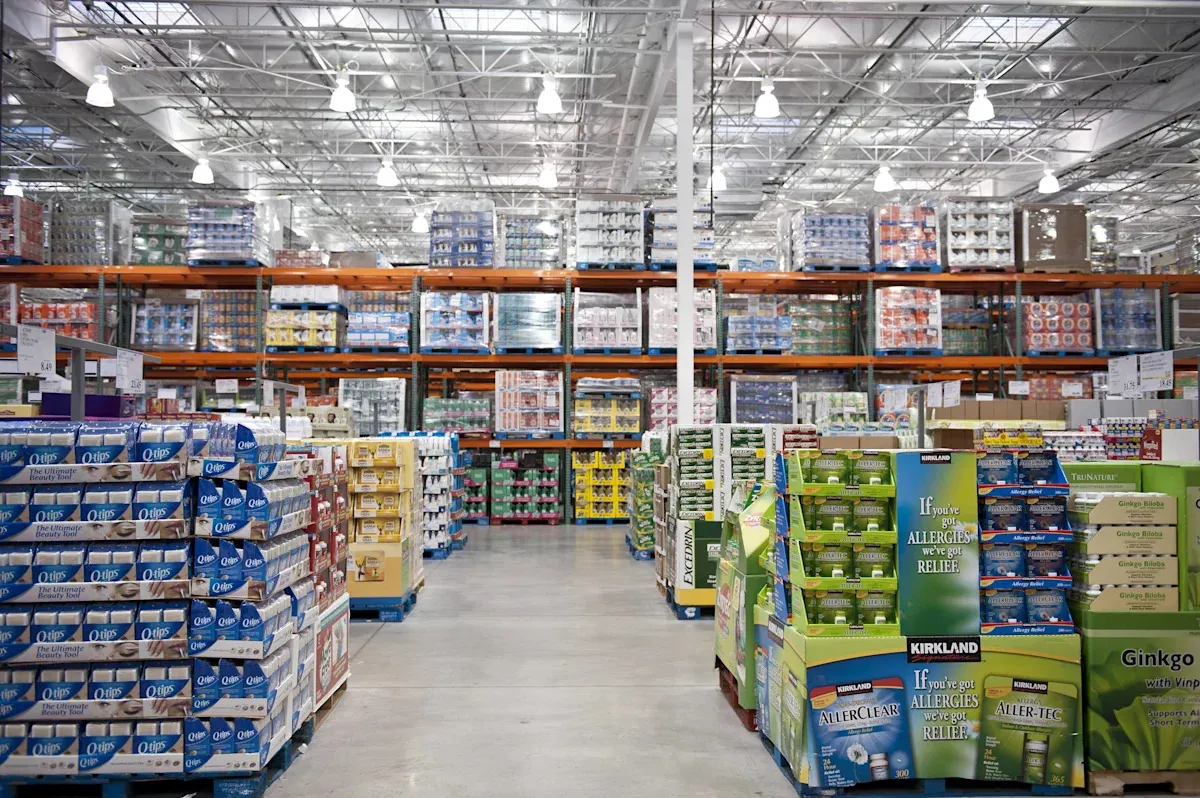
The recent Chapter 11 bankruptcy filing by Synergy CHC Corp., best known for its brain health supplement Focus Factor, has sent shockwaves through the health and wellness market. With Costco, a retail giant that accounted for 58% of Synergy's total revenue, ceasing to carry the Focus Factor brand, the implications are significant for both consumers and investors. While the bankruptcy marks an end for Synergy, it simultaneously opens the door for its competitor, Reckitt Benckiser, to capitalize on this sudden disruption. In this article, we will delve into the details surrounding Synergy's downfall, explore Reckitt's advantages, and consider what this means for the future of brain health supplements.
The Downfall of Synergy CHC: A Cautionary Tale
On September 4, 2026, Synergy CHC filed for bankruptcy in the U.S. Bankruptcy Court for the District of Columbia. This decision came on the heels of Costco's announcement in July that it would discontinue Focus Factor products after a 16-year partnership, a decision that had catastrophic financial repercussions for Synergy. The abrupt loss of such a significant revenue stream led to an $18.9 million debt acceleration, revealing just how vulnerable the company was to revenue concentration risks.
Focus Factor is positioned as a functional beverage brand aimed at improving cognitive function, but its reliance on Costco for a staggering portion of its revenue proved to be its Achilles' heel. According to SEC filings, the company's financial health was severely compromised, noting significant adverse effects on its operations and liquidity. In other words, Synergy's business model was built on shaky ground, relying heavily on one major retail partner to sustain its revenue.

Revenue Concentration: A Double-Edged Sword
The situation with Synergy CHC serves as a stark reminder of the dangers associated with revenue concentration. When one customer accounts for such a large portion of total revenue, the business becomes highly susceptible to market fluctuations and changes in consumer demand. This vulnerability is especially pronounced in retail, where buyer relationships can shift rapidly.
To illustrate the risks, consider the following points:
- 58% Revenue Dependency: Synergy's heavy reliance on Costco meant that any disruption in that relationship was catastrophic.
- Debt Acceleration: The company's inability to sustain operations without Costco's support led to immediate financial repercussions, illustrating poor financial planning.
- Regulatory Scrutiny: Focus Factor's history of FTC settlements and lawsuits over efficacy claims further complicated its standing with retailers like Costco, who prioritize compliance and consumer trust.
This case underscores the critical importance for businesses, especially in the consumer health sector, to diversify their revenue streams. Companies must build resilience against sudden market shifts to protect their financial health.
Reckitt Benckiser: The Clear Beneficiary
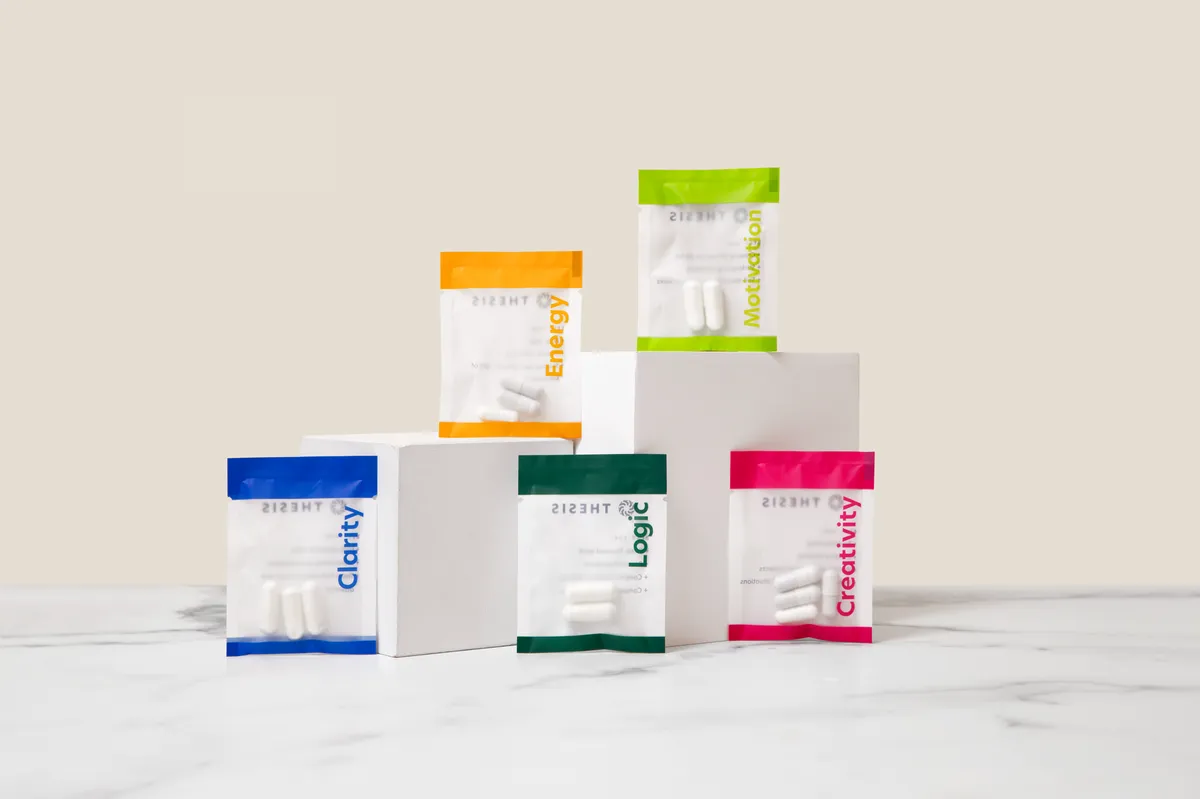
As Synergy CHC crumbles, Reckitt Benckiser stands poised to capture a significant portion of the market share. Reckitt's Neuriva product line is already integrated into Costco's system, allowing it to scale up operations without the challenges of securing a new vendor relationship. Neuriva's existing presence at Costco, where it retails for $43.99 for a bottle of 50 capsules, positions it favorably against its competitor's downfall.
Several factors contribute to Reckitt's advantageous position:
Established Brand Trust
Reckitt has maintained a clean regulatory record with Neuriva, focusing its marketing on clinically studied ingredients. This contrasts sharply with Focus Factor's previous issues, making Neuriva more appealing to Costco's discerning buyers.
Product Portfolio Alignment
Reckitt's expansion of the Neuriva brand includes multiple formulations, such as Neuriva Plus and Neuriva Ultra, aligning perfectly with Costco's trend toward premium wellness products.
Financial Health
Reckitt's strong performance in H1 2026 featured a 2.7% growth in like-for-like net revenue, indicating robust demand for its products. The company's gross profit margin of 60.9% allows it to operate efficiently while returning capital to shareholders, making it an attractive investment opportunity.

Market Implications: What Should Consumers and Investors Expect?
With Synergy's collapse and Reckitt's potential ascent, the brain health supplement market is likely to undergo significant changes. Consumers can expect a greater emphasis on product quality and efficacy as retailers become more selective about the brands they carry. Reckitt's clean record and focus on scientifically-backed claims may set a new standard in the industry.
For investors, Reckitt presents an intriguing opportunity. The stock, currently trading at $14.00, has shown resilience despite market fluctuations. With a projected like-for-like net revenue growth of 4% to 5% for the full year, Reckitt's stock could be positioned for further appreciation as it capitalizes on Synergy's misfortunes.
Key Takeaways
- Synergy CHC's bankruptcy highlights the risks of revenue concentration.
- Reckitt Benckiser is well-positioned to benefit from the market disruption.
- Consumers may see an increased focus on quality and compliance in health products.
- Investors should watch Reckitt's performance as it adapts to the changing landscape.
Frequently Asked Questions
What caused Synergy CHC to file for bankruptcy?
Synergy CHC's bankruptcy was primarily triggered by Costco's decision to discontinue its Focus Factor products, which accounted for 58% of the company's net revenue. This loss of revenue led to significant financial strain, culminating in an $18.9 million debt acceleration and ultimately the need to file for Chapter 11 bankruptcy.
How does Reckitt Benckiser plan to capitalize on this situation?
Reckitt Benckiser is already established in Costco's supply chain with its Neuriva product line. The company plans to leverage this existing relationship to expand its market share in the brain health sector, offering premium formulations that align with Costco's focus on wellness products. Reckitt's clean regulatory history and strong financial performance also position it favorably to attract consumers.
How can consumers ensure they are purchasing effective brain health supplements?
Consumers should look for products that are backed by clinical studies and have a transparent ingredient list. Brands with a strong regulatory compliance history and those that avoid false efficacy claims will likely offer more trustworthy products. Checking for certifications and recommendations from healthcare professionals can also help guide purchasing decisions.
Is investing in Reckitt Benckiser a good opportunity right now?
Given Reckitt's strong financial health, solid market positioning, and projected revenue growth, it could be an attractive investment opportunity. However, investors should conduct their own research and consider their risk tolerance before making any investment decisions, especially given the volatility often associated with the consumer health sector.
This content is educational, not financial advice.
Comments
Understanding Palantir's Stock Surge: What Investors Should Know
Palantir Technologies’ recent revenue guidance hike sparked a remarkable stock surge. This article delves into the implications of this increase, what investors are really paying for, and how to evaluate the stock moving forward.

Related articles







Popular in Investing
- Navigating the Dismal Landscape of 2026's Worst-Performing ETFs
- Navigating the Turbulent Waters of Energy Markets: A Deep Dive
- Stablecoin Market Faces $10 Billion Decline — What It Means for Investors
- Cotton Futures Surge Despite Increased Production Forecasts
- Avantus Secures $525 Million for Major California Solar Project