Universal Display: Risks and Opportunities Amidst the AI Infrastructure Boom
As the AI infrastructure boom reshapes the technology landscape, Universal Display Corporation faces unique challenges and opportunities. Understanding the implications for investors is crucial in navigating this evolving market.
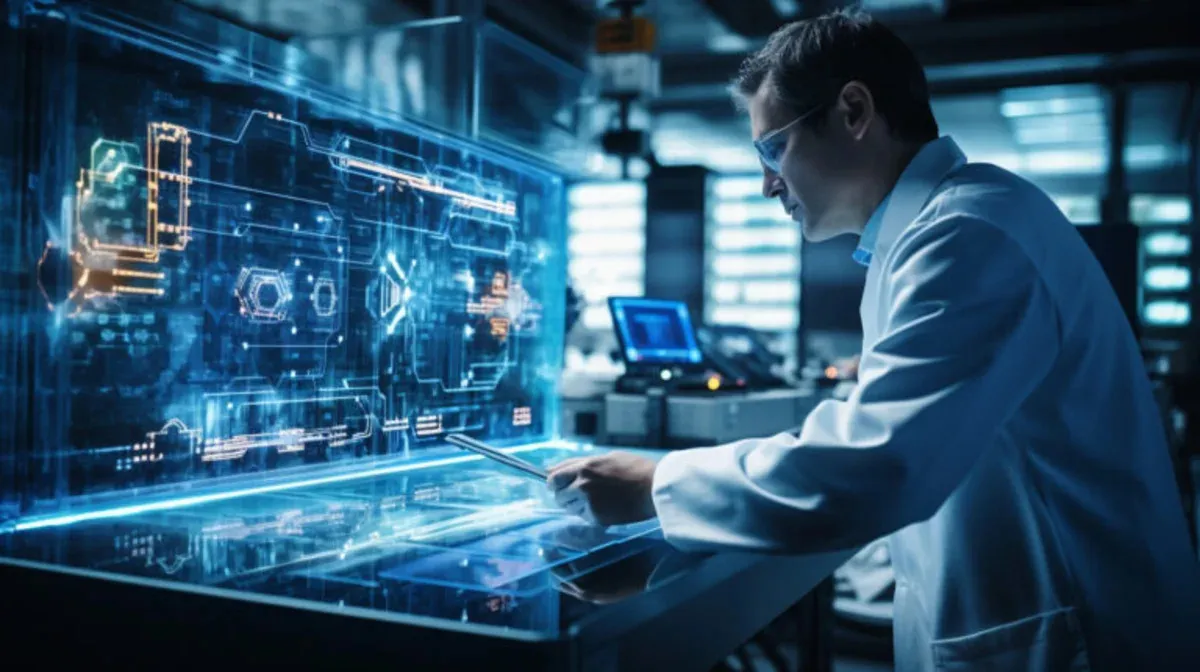
The rapid rise of artificial intelligence (AI) infrastructure is transforming industries at an unprecedented pace. While sectors such as information technology and healthcare are experiencing significant growth, some companies, particularly in the display technology arena, are beginning to feel the pressure of an evolving market landscape. Universal Display Corporation (NASDAQ: OLED), a leader in organic light-emitting diode (OLED) technologies, finds itself at a crossroads, where the surging investment in AI is presenting both risks and opportunities. As investors reflect on the implications of this technological shift, it becomes essential to understand the market dynamics influencing companies like Universal Display.
The AI Boom: A Double-Edged Sword
The investment boom in AI is reshaping consumer behavior and corporate spending. With billions of dollars funneled into AI technologies, opportunities for growth abound, yet these investments are often made at the expense of other sectors. Universal Display, known for its innovation in OLED technology, is facing significant challenges as the focus shifts to AI-driven solutions, potentially diverting funds away from display technologies. This shift can lead to cost pressures on essential components necessary for manufacturing consumer electronics.
Understanding OLED Technology
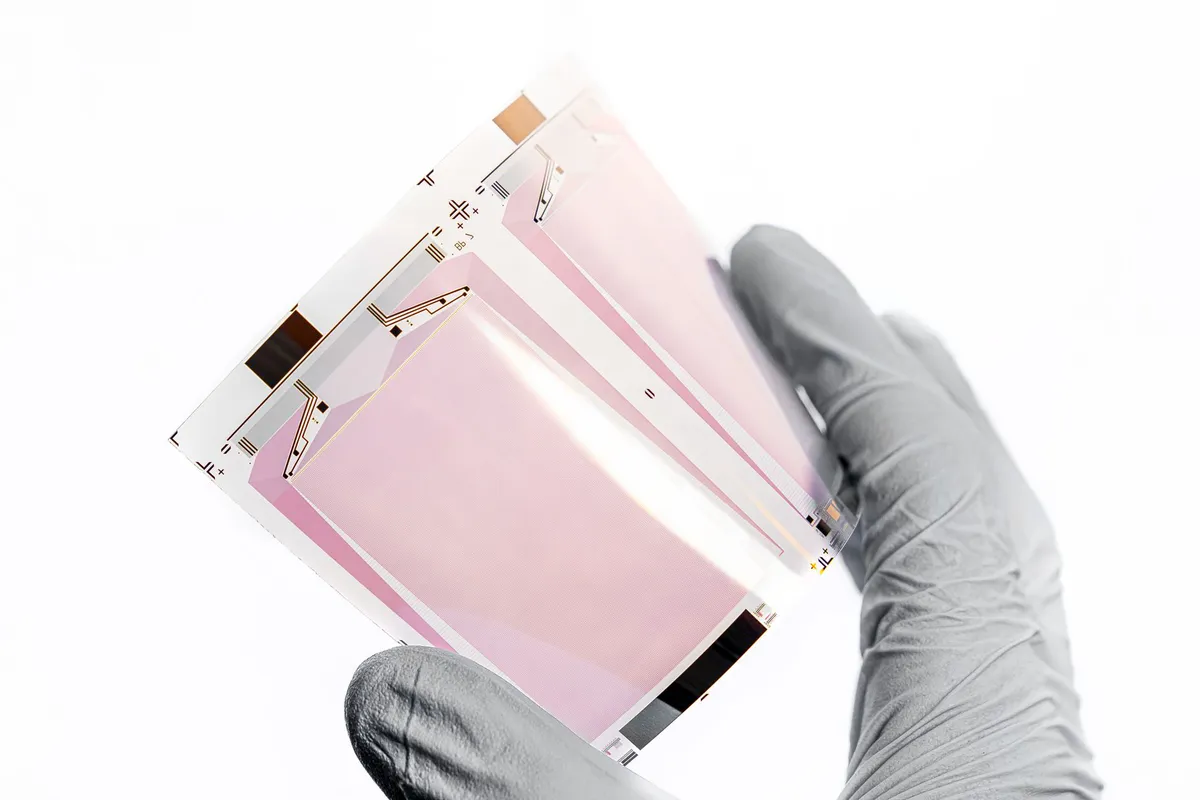
OLED technology offers numerous advantages over traditional display solutions, including better energy efficiency, higher contrast ratios, and thinner displays. However, the market dynamics are changing. As the demand for AI infrastructure grows, companies that rely on the production of display components may find themselves at a disadvantage. For instance, the costs for critical components like DRAM (Dynamic Random Access Memory) are predicted to rise, affecting the overall pricing structure of consumer electronics.
Universal Display’s Market Performance
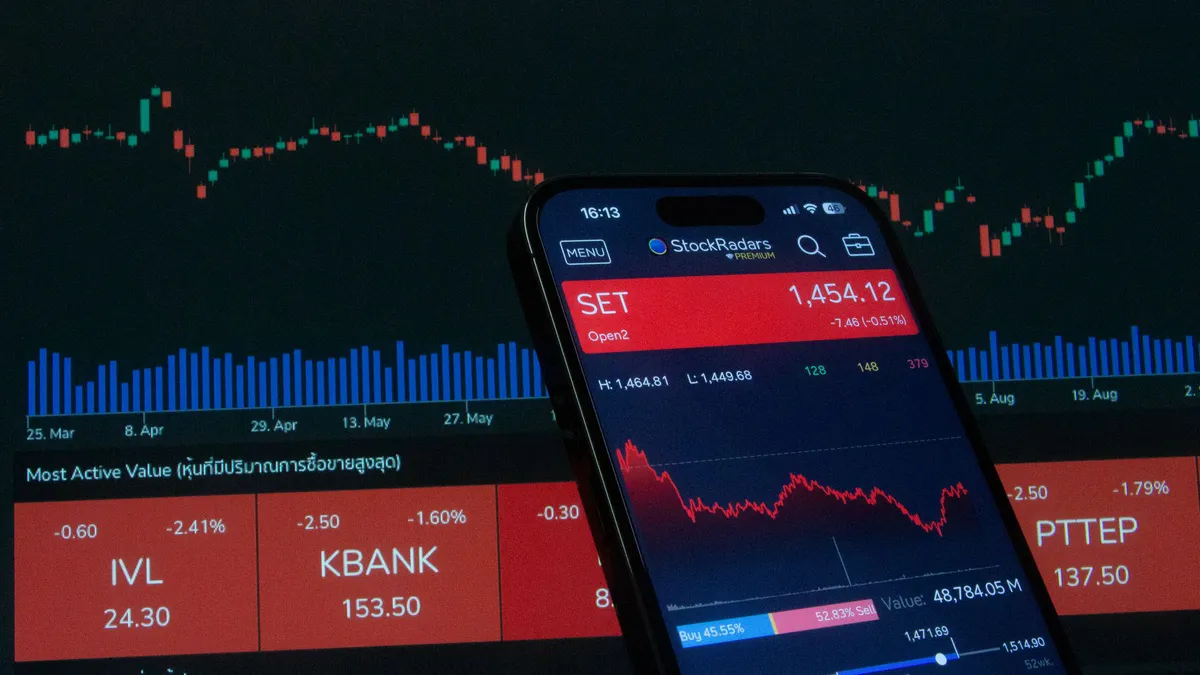
As of September 14, 2026, Universal Display's share price was $76.62, reflecting a substantial decline of 9.27% over the preceding month and a staggering 44.06% drop over the past year. The company's market capitalization stands at $3.52 billion, with shares fluctuating between $76.42 and $153.38 in the past 52 weeks. These figures highlight the volatility faced by Universal Display amid shifting market priorities.
Investor Sentiment
In its Q2 2026 investor letter, the long/short equity fund Prosper Stars & Stripes expressed growing concerns about Universal Display’s prospects. The fund noted that the ongoing AI investment boom might be crowding out spending in other areas, including display technologies. This sentiment is echoed by a decline in hedge fund interest; Universal Display was part of only 28 hedge fund portfolios by the end of Q2, down from 33 in the previous quarter. Such trends indicate a lack of confidence in the company's immediate growth potential.
Consumer Spending Pressures
The current economic climate further complicates matters for Universal Display. The so-called K-shaped recovery, where different segments of the economy progress at varying rates, has resulted in rising living costs for consumers. This economic disparity poses challenges for companies reliant on discretionary spending, like those in the electronics sector. The higher prices of essential components may prevent the use of discounts to spur sales, leading to a decline in consumer electronics purchases during critical periods such as back-to-school and holiday shopping seasons.
Forecasting Future Performance
Given the current pressures, forecasts for Universal Display may prove overly optimistic. With the inflation of tech costs impacting the margins, companies will need to navigate a challenging landscape to maintain profitability. For investors, the critical question becomes whether Universal Display can adapt to these changes or if it will continue to struggle amidst tighter consumer budgets and increased competition from AI-centric companies.
Investment Considerations
While Universal Display holds potential as a technology investment, many analysts suggest that AI-related stocks may offer more upside with less risk. With the anticipated growth in AI technologies, investors are encouraged to weigh the benefits of diversifying their portfolios into firms leading this charge. The shift in investor confidence away from Universal Display indicates that many see greater promise in AI-driven companies, especially given the backdrop of current economic pressures.
Key Takeaways
- AI Infrastructure Boom: The growing investment in AI is reshaping spending priorities across the tech landscape.
- Market Performance: Universal Display has faced significant declines in stock price and hedge fund interest.
- Consumer Spending Pressures: Rising living costs are impacting discretionary spending in consumer electronics.
- Investment Outlook: Many analysts recommend focusing on AI stocks for better growth potential.
Frequently Asked Questions
What is Universal Display Corporation's core business?
Universal Display Corporation specializes in developing and commercializing OLED technologies for display and solid-state lighting applications. Their innovative approach to display technology has made them a leader in the field, but they are now facing challenges due to shifting market dynamics influenced by the rising prominence of AI technologies.
How does the AI boom affect consumer electronics?
The AI boom is redirecting significant investments away from traditional sectors, including consumer electronics. As companies prioritize AI infrastructure, component costs like DRAM are expected to rise, impacting the overall pricing of consumer electronics. This can lead to decreased consumer spending during critical sales periods, further affecting companies like Universal Display.
Should investors consider Universal Display Corporation now?
While Universal Display has historically shown potential as a player in the tech space, current market conditions suggest caution. The significant drop in stock value and hedge fund interest indicates a lack of confidence. Investors should consider diversifying into stocks that are better positioned to benefit from the AI boom, as they may offer more favorable growth prospects.
What are the implications of the K-shaped recovery for technology companies?
The K-shaped recovery signifies a divergence in economic recovery rates across different demographics and sectors. For technology companies, this means that those reliant on discretionary spending, like consumer electronics, may struggle as consumers face rising living costs. Companies must adapt to these challenges to sustain profitability in a complex economic landscape.
This content is educational, not financial advice.
Comments
Understanding Palantir's Stock Surge: What Investors Should Know
Palantir Technologies’ recent revenue guidance hike sparked a remarkable stock surge. This article delves into the implications of this increase, what investors are really paying for, and how to evaluate the stock moving forward.

Related articles





Popular in Investing
- Navigating the Dismal Landscape of 2026's Worst-Performing ETFs
- Navigating the Turbulent Waters of Energy Markets: A Deep Dive
- Stablecoin Market Faces $10 Billion Decline — What It Means for Investors
- Cotton Futures Surge Despite Increased Production Forecasts
- Avantus Secures $525 Million for Major California Solar Project