Understanding the Impact of Rising Treasury Yields on Stock Markets
As the 10-year Treasury yield hits 5%, investors are left wondering how rising interest rates will affect the stock market. This article explores the relationship between bond yields and stock prices, providing insights into potential market reactions.
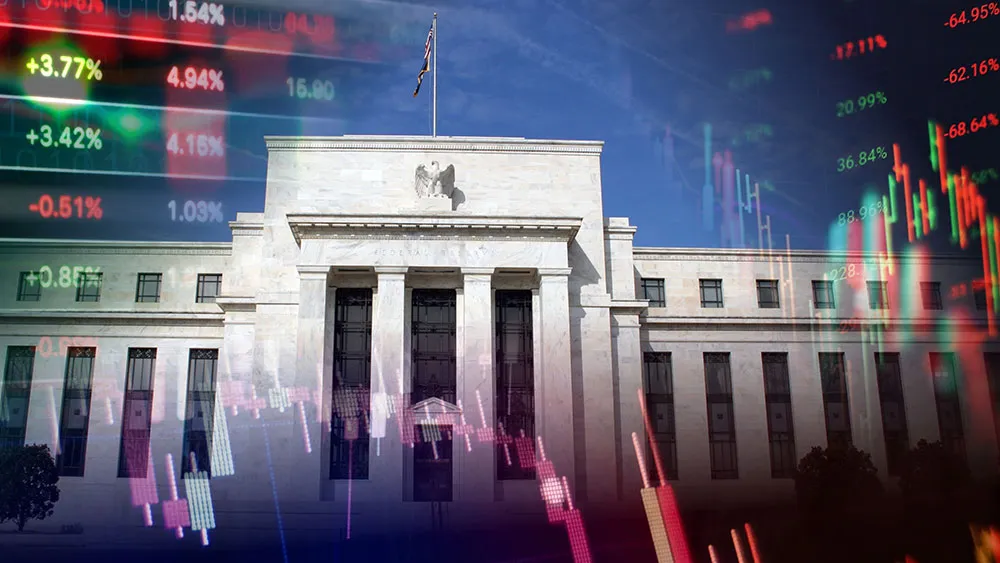
The financial markets are currently navigating a significant shift as the 10-year Treasury yield has hit 5% for the first time since October 2023. This benchmark yield is a crucial indicator of the overall economic health and the direction of interest rates, influencing both the bond and stock markets. With expectations mounting that the Federal Reserve will raise interest rates in the coming week, many investors are concerned about how this will affect stock prices. Historically, rising yields have led to declines in equities, but the full impact can vary based on a multitude of factors.
Understanding the dynamics between Treasury yields and stock market performance is vital for investors, particularly in an environment where interest rates are anticipated to rise. As borrowing costs increase, companies may face tighter profit margins, leading to potential reductions in stock valuations. In this article, we will delve deeper into the implications of rising yields, historical trends, and how investors might navigate this evolving landscape.

The Significance of the 10-Year Treasury Yield
The 10-year Treasury yield is often viewed as a barometer for investor sentiment and economic expectations. When this yield rises, it typically reflects increased confidence in economic growth, leading investors to reassess their portfolios. A 5% yield indicates that investors can earn a substantial return on safer government bonds, which can make riskier assets like stocks less appealing.
What Drives Treasury Yields?
Several factors contribute to movements in Treasury yields, including:
- Inflation Expectations: Rising inflation often leads to higher yields as investors demand greater compensation for the decreased purchasing power of future cash flows.
- Monetary Policy: The Federal Reserve's actions, particularly its decisions regarding interest rates, directly influence yields. Announcements or signals of upcoming rate hikes can cause yields to rise.
- Economic Growth: Strong economic indicators, such as job growth and GDP expansion, can lead to increased yields as investors anticipate higher interest rates.

Historical Context: Stocks and Rising Yields
Historically, the relationship between rising Treasury yields and stock prices has been complex. Generally, when yields rise, stocks tend to decline. This trend is attributed to several reasons:
Increased Borrowing Costs
As Treasury yields increase, so do the interest rates on loans and mortgages, making borrowing more expensive for consumers and businesses. This can result in:
- Slower Consumer Spending: Higher interest rates can lead to reduced consumer spending, which is a critical driver of economic growth.
- Lower Corporate Earnings: Companies may face higher costs of capital, which can squeeze profit margins and lead to downward revisions in earnings forecasts.
The Impact on Stock Valuations
Increased yields affect how investors value stocks. Higher interest rates may lead to a higher discount rate used in discounted cash flow models, resulting in lower present values for future cash flows. As a result, stocks may appear less attractive compared to fixed-income investments.

Current Market Sentiment and Future Predictions
As we approach the Federal Reserve's anticipated rate hike, market sentiment has shifted. Investors are weighing the potential impacts on various sectors:
Sector Reactions
Some sectors are more sensitive to rising interest rates than others:
- Financials: Banks and financial institutions typically benefit from rising rates as they can charge higher interest on loans.
- Utilities and Real Estate: These sectors often suffer in a rising rate environment due to their reliance on low borrowing costs.
- Consumer Discretionary: Higher rates can impact consumer spending, which is pivotal for companies in this sector.
Investor Strategies
In light of the current environment, investors should consider various strategies to mitigate the potential impact of rising yields:
- Diversification: Maintaining a diversified portfolio can help reduce risk exposure to specific sectors affected by interest rate increases.
- Focus on Quality: Investing in fundamentally strong companies with solid balance sheets can provide a buffer against falling stock prices.
- Fixed-Income Exposure: Consider reallocating some investments into bonds or other fixed-income assets that may offer better returns in a higher yield environment.

Key Takeaways
- The 10-year Treasury yield has reached 5%, raising concerns about the stock market's response to potential Federal Reserve rate hikes.
- Historically, rising yields have been associated with declining stock prices due to increased borrowing costs and lower corporate profits.
- Investors should remain vigilant and consider strategies such as diversification and focusing on quality investments to navigate this shifting landscape.
Frequently Asked Questions
How do rising Treasury yields affect individual investors?
Rising Treasury yields can impact individual investors by influencing the performance of their stock portfolios. As bond yields increase, equities may become less attractive, leading to potential stock price declines. Investors may also see higher borrowing costs for mortgages and loans, which can affect personal finances and spending habits.
What sectors are typically hardest hit by rising interest rates?
Sectors such as utilities and real estate are often most adversely affected by rising interest rates. Companies in these areas rely heavily on financing for operations and expansion, and higher rates can lead to increased costs, reduced profitability, and lower stock valuations.
Should I avoid stocks altogether if interest rates are rising?
A blanket avoidance of stocks may not be the best strategy. While rising interest rates can lead to market volatility, there are still opportunities in equities. Investors should focus on sectors that may benefit from higher rates, such as financials, and consider maintaining a diversified portfolio to spread risk.
What strategies can I use to protect my investments during rising rates?
To protect investments during periods of rising rates, consider strategies such as diversifying across asset classes, investing in high-quality companies with strong fundamentals, and exploring fixed-income investments that may provide stability in a volatile market. Additionally, staying informed about economic indicators and Federal Reserve policies can help in making timely investment decisions.
This content is educational and not financial advice.
Comments
Understanding Palantir's Stock Surge: What Investors Should Know
Palantir Technologies’ recent revenue guidance hike sparked a remarkable stock surge. This article delves into the implications of this increase, what investors are really paying for, and how to evaluate the stock moving forward.

Related articles






Popular in Investing
- Navigating the Dismal Landscape of 2026's Worst-Performing ETFs
- Navigating the Turbulent Waters of Energy Markets: A Deep Dive
- Stablecoin Market Faces $10 Billion Decline — What It Means for Investors
- Cotton Futures Surge Despite Increased Production Forecasts
- Avantus Secures $525 Million for Major California Solar Project