Oil Prices Surge Amid Escalating Tensions in Saudi Arabia
Recent attacks on Saudi energy infrastructure have led to rising oil prices, with fears of prolonged supply disruptions mounting. Key geopolitical factors are contributing to market instability.
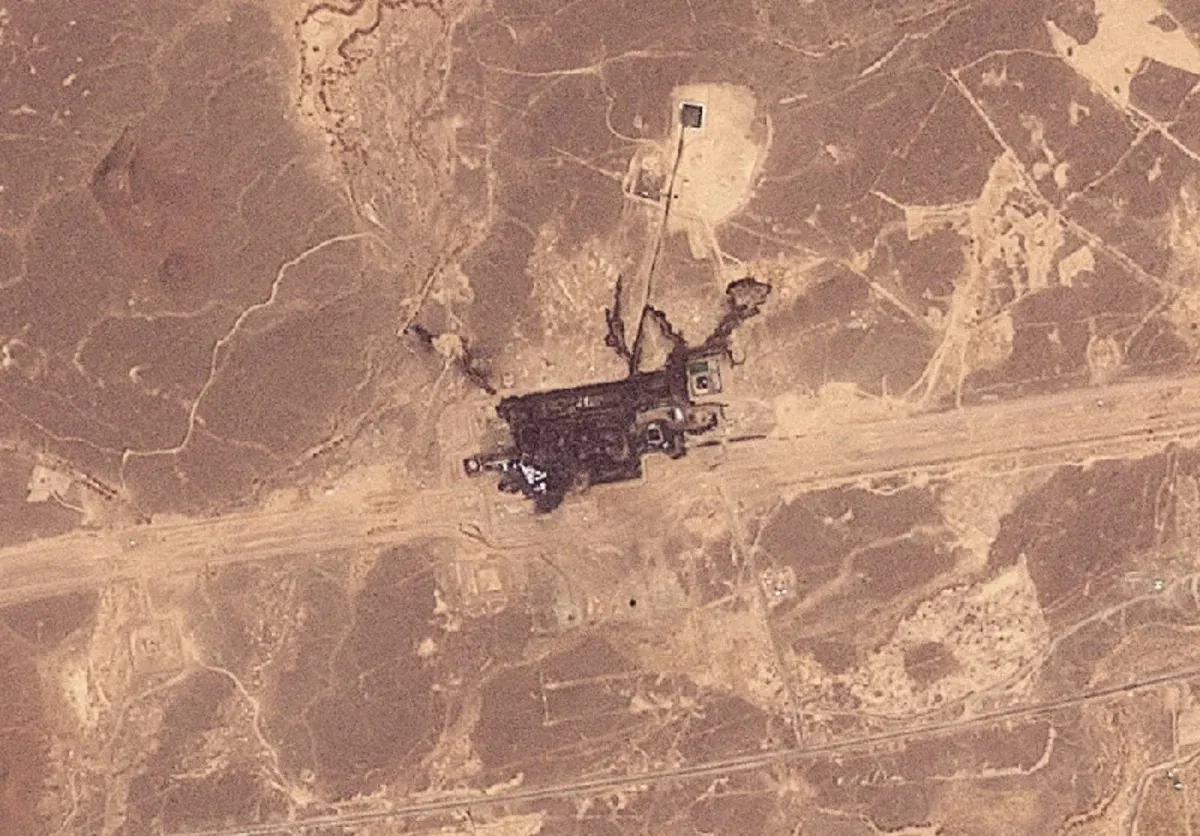
In a volatile turn of events, oil prices have edged higher following recent attacks on Saudi Arabian energy infrastructure that have raised serious concerns about the kingdom's ability to maintain its oil supply. With the East-West Pipeline offline, the potential for extended disruptions is sending ripples through the global oil market. As investors react to these concerns, the implications for both consumers and the broader economy are significant.
On Tuesday, September 15, Brent crude futures climbed to $105.74 a barrel, a modest increase of 6 cents, while U.S. West Texas Intermediate (WTI) futures rose by 27 cents to reach $101.66 per barrel. These price movements come on the heels of a tumultuous weekend in which attacks by Iranian-backed Houthi forces in Yemen targeted key Saudi facilities. With fears of escalating conflict and its impact on oil supply, the market braces for what could be a prolonged period of uncertainty.
Understanding the Current Crisis
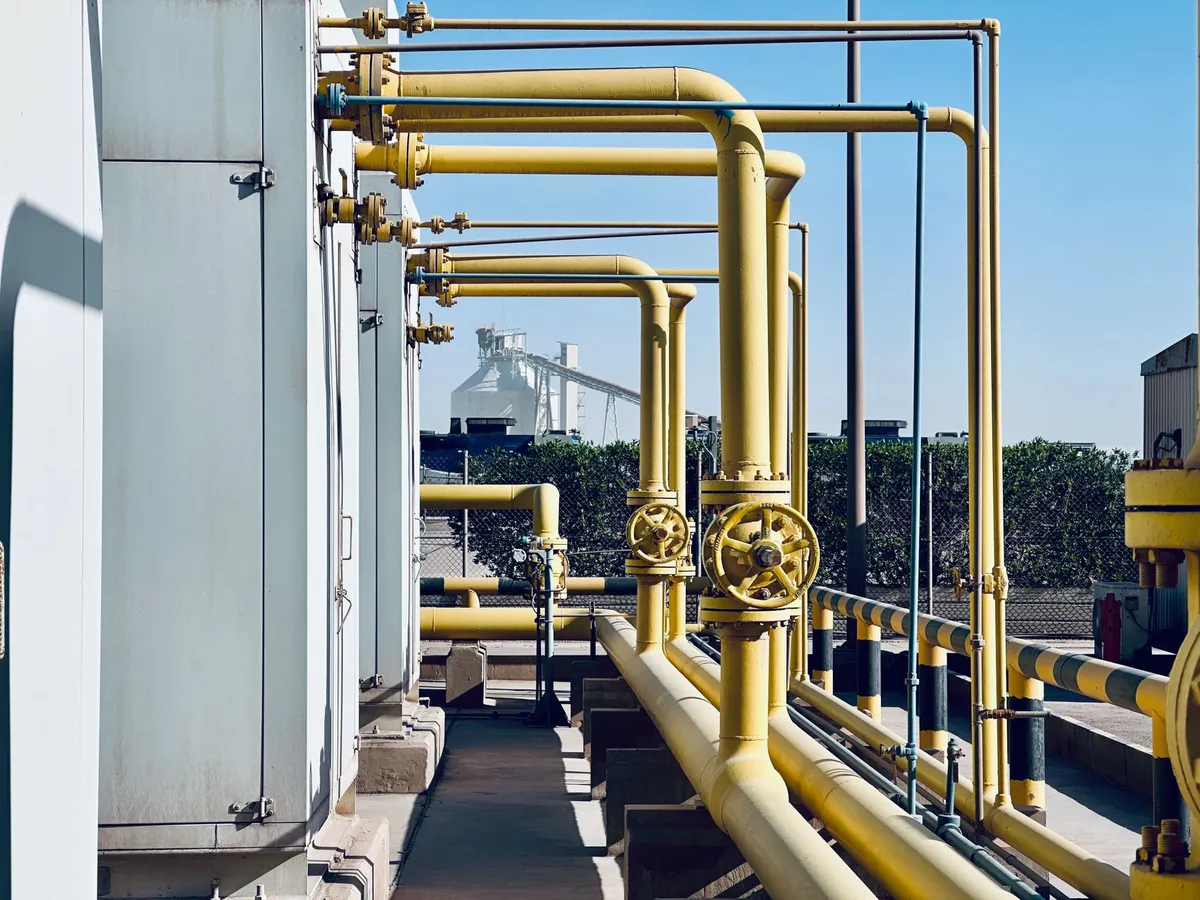
To contextualize the current situation, it is essential to understand the dynamics of the oil market and the geopolitical tension surrounding it. The East-West Pipeline is critical as it allows Saudi oil exports to circumvent the strategically vital Strait of Hormuz, where approximately 20% of the world's oil supply passes. Damage to this pipeline not only threatens Saudi Arabia's export capabilities but could also have a profound impact on global oil prices.
The Impact of Geopolitical Tensions
The recent attacks in Saudi Arabia have heightened investor concerns regarding the stability of oil supplies. The Houthis claimed responsibility for launching a series of missiles and drones aimed at a military air base in Khamis Mushait, targeting critical infrastructure. These developments have escalated fears that if the conflict intensifies, the oil supply could be severely disrupted, leading to spikes in prices.
- Brent crude prices: Recently reached $105.74 a barrel.
- U.S. WTI prices: Climbed to $101.66 a barrel.
- East-West Pipeline: Key conduit for Saudi oil exports now offline.
- Potential supply disruption: Up to 4% of global oil supply at risk.
Market Reactions and Predictions
Market analysts are closely monitoring the situation, and forecasts suggest that unless the East-West Pipeline is restored soon, Saudi Arabia could exhaust its crude oil available for export within days. Goldman Sachs noted that if the pipeline remains offline for an extended period, Brent prices could surge to $130 a barrel. This projection is based on the assumption that Gulf oil output may remain significantly below pre-war levels into 2027.
Historical Context of Oil Price Fluctuations
The oil market is historically susceptible to geopolitical tensions, with prices often spiking in response to crises in major producing regions. The current situation in Saudi Arabia is reminiscent of previous conflicts, where fears of supply disruptions led to soaring prices. For instance, during the Iraq War in the early 2000s, oil prices similarly spiked due to concerns over Middle Eastern stability.
The Broader Economic Implications
Significant fluctuations in oil prices have far-reaching implications beyond the energy sector. Higher oil prices can lead to increased transportation and manufacturing costs, which may ultimately affect consumer prices and inflation rates. This is particularly crucial as the global economy is still recovering from the impacts of the COVID-19 pandemic.
Consumer Impact
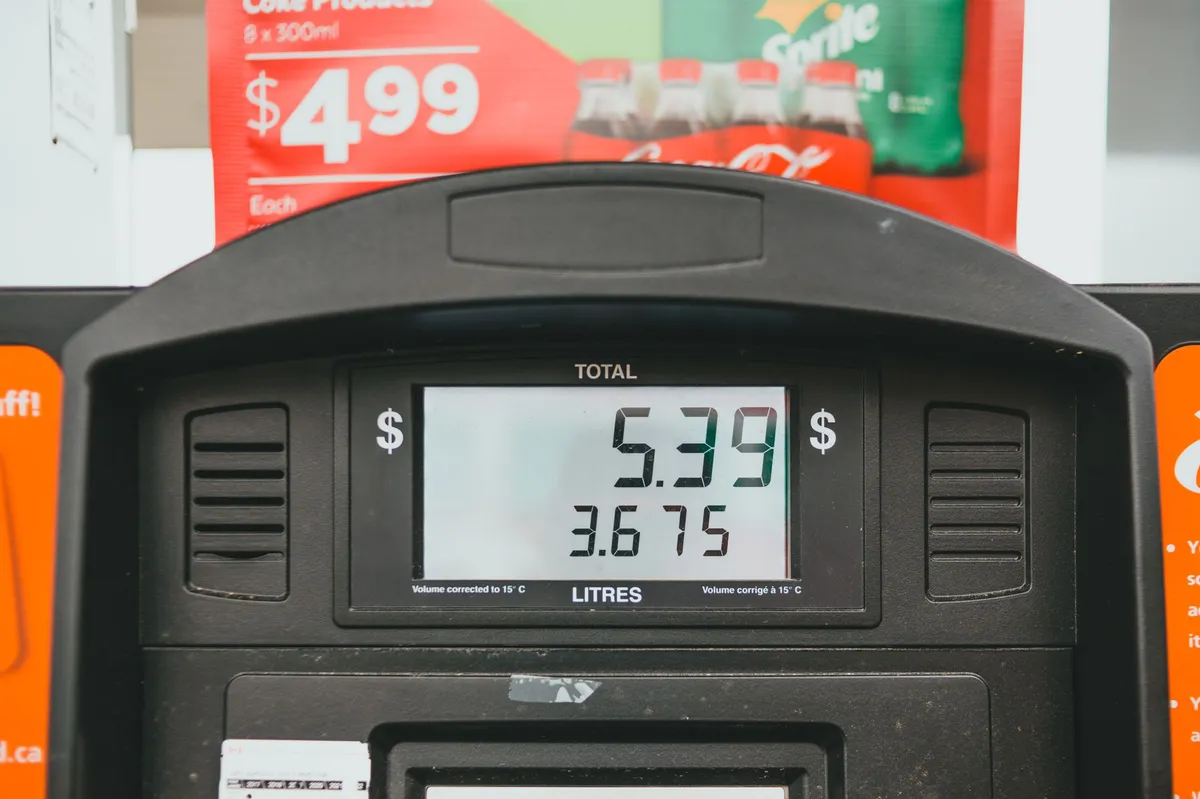
For American consumers, rising oil prices could translate to higher prices at the pump, impacting household budgets. As oil prices increase, so do costs associated with goods and services that rely on transportation. This could lead to inflationary pressures, affecting everything from food to clothing prices.
Future Considerations for Investors
Investors should remain vigilant in these uncertain times, as oil prices can be highly volatile. Diversifying investment portfolios to include energy stocks or ETFs that focus on oil and gas production may provide some insulation against price fluctuations. Furthermore, understanding the geopolitical landscape and its potential impact on oil supply can help investors make more informed decisions.
Key Takeaways
- Oil prices are rising due to attacks on Saudi energy infrastructure.
- The East-West Pipeline is critical for Saudi oil exports and is currently offline.
- Geopolitical tensions could lead to significant spikes in oil prices.
- Consumers may face higher costs as oil prices rise.

Frequently Asked Questions
What caused the recent rise in oil prices?
The recent rise in oil prices is primarily attributed to attacks on Saudi Arabian energy infrastructure, specifically the East-West Pipeline, which has raised concerns about supply disruptions. As the Houthis in Yemen launched missile and drone strikes on Saudi facilities, fears of prolonged conflict and instability in the region have escalated, leading to increased market speculation and price hikes.
How does the East-West Pipeline impact global oil supply?
The East-West Pipeline is crucial for Saudi Arabia as it allows oil exports to bypass the Strait of Hormuz, a strategic chokepoint through which a significant portion of the world’s oil supply flows. If this pipeline is compromised, it can severely limit Saudi Arabia's ability to export oil, thereby impacting global supply and leading to price increases across the board.
What should consumers expect in terms of fuel prices?
Consumers should prepare for potential increases in fuel prices as a result of rising oil prices driven by geopolitical tensions. If oil prices continue to climb, it may lead to higher gas prices at the pump, which can affect household budgets and overall consumer spending.
What can investors do in this volatile market?
Investors should consider diversifying their portfolios to mitigate risks associated with fluctuating oil prices. This could include investing in energy stocks or exchange-traded funds (ETFs) that focus on oil and gas sectors. Staying informed about geopolitical developments and understanding their potential impact on oil supply will also be essential for making sound investment decisions.
Disclaimer: The content is educational, not financial advice.
Comments
Understanding Palantir's Stock Surge: What Investors Should Know
Palantir Technologies’ recent revenue guidance hike sparked a remarkable stock surge. This article delves into the implications of this increase, what investors are really paying for, and how to evaluate the stock moving forward.

Related articles







Popular in Investing
- Navigating the Dismal Landscape of 2026's Worst-Performing ETFs
- Navigating the Turbulent Waters of Energy Markets: A Deep Dive
- Stablecoin Market Faces $10 Billion Decline — What It Means for Investors
- Cotton Futures Surge Despite Increased Production Forecasts
- Avantus Secures $525 Million for Major California Solar Project