Navigating the Bond Market: Finding Opportunities Amid Rising Yields
As bond yields hit their highest levels since 2007, investors face a pivotal moment. This article explores the implications of rising rates, the appeal of medium-term bonds, and strategies for optimizing fixed-income portfolios.
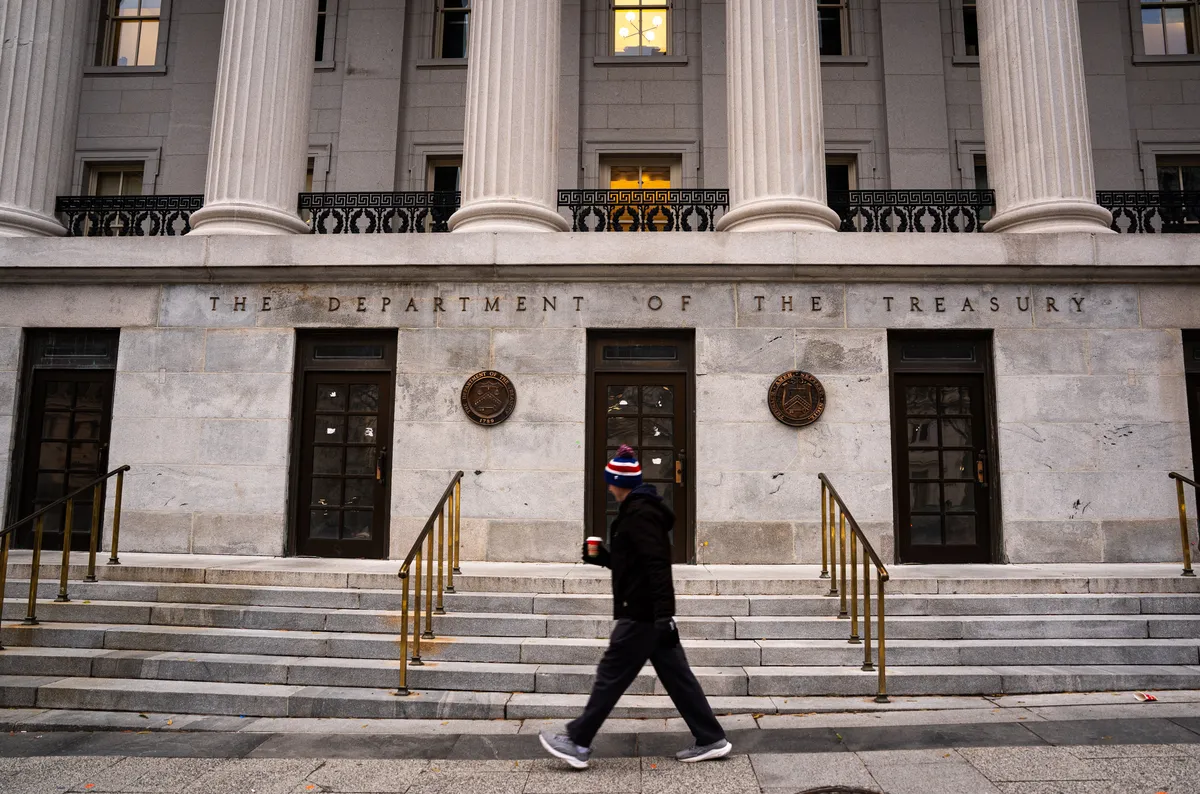
The bond market is experiencing a seismic shift as 10-year Treasury yields recently surged past the 5% mark for the first time since 2007. While this spike has sent shockwaves through the financial landscape, savvy bond investors are beginning to view this as a potential opportunity rather than a threat. The current environment, characterized by rising interest rates due to inflationary pressures and geopolitical tensions, prompts a reevaluation of fixed-income investments. With the Federal Reserve expected to raise rates further, understanding how to navigate this evolving terrain is essential for both seasoned investors and those new to the bond market.
Understanding the Current Bond Market Landscape
To fully grasp the implications of rising yields, it's crucial to recognize the inverse relationship between bond prices and yields. When yields rise, bond prices typically fall, creating a challenging environment for investors. However, as yields have climbed, particularly from the historical lows seen during the COVID-19 pandemic, some analysts suggest that the risk-reward profile for medium-term bonds—those maturing in 5 to 10 years—has improved significantly.
Why Are Yields Rising?
Several factors contribute to the uptick in bond yields:
- Federal Reserve Policy: Anticipated rate hikes from the Federal Reserve are a key driver. Market participants expect at least two more rate increases this year to combat inflation.
- Geopolitical Tensions: Ongoing conflicts, particularly in the Middle East, have led to increased oil prices, further complicating the economic outlook.
- Inflation Concerns: Persistent inflation has kept investors on edge, prompting a flight to safety in shorter-duration bonds.

Evaluating Investment Strategies in a Rising Rate Environment
As the bond market adjusts to these rising yields, investors must consider their strategies carefully. Traditionally, risk-averse investors flock to short-term bonds to mitigate price volatility. However, as yields rise, the cushion provided by higher yields on medium-term bonds may outweigh the dangers associated with their longer durations.
Short-Term vs. Medium-Term Bonds
According to experts like Alec Lucas from Morningstar, the risk associated with medium-term bonds has diminished. With higher yields providing more income, the potential for losses is lower than during the previous rate hikes. For instance, a $1 million investment in a 10-year Treasury bond yielding 5% would generate $50,000 annually—a compelling proposition for those seeking reliable income.
Calculating Total Returns
Total return on bonds accounts for both interest income and price changes, making it vital for investors to consider how rising yields will influence their portfolios. A bond with a yield of 4.90% and a duration of 5.8 years can withstand a yield increase of 0.84% before the market value declines wipe out a year’s worth of interest. This concept of 'escape velocity'—developed by Cullen Roche—underscores the point at which the yield compensates for price declines due to rising rates.

Strategies for Optimizing Fixed-Income Portfolios
In light of the current market dynamics, here are several strategic approaches for bond investors:
- Laddering Bonds: Create a bond ladder with bonds maturing over different time frames (e.g., 5 to 10 years) to manage interest rate risk and provide liquidity.
- Shorter Duration Bonds: For those averse to price fluctuations, consider investing in shorter-duration bonds to minimize exposure to rising rates.
- ETFs as an Option: Exchange-Traded Funds (ETFs) like the iShares 1-3 Year Treasury ETF (SHY) or the Vanguard Total Bond Market ETF (BND) offer diversified exposure to the bond market with lower expense ratios.

Long-Term Outlook for Bond Investors
Market analysts believe that elevated bond yields may persist, creating a more favorable environment for fixed-income investments. However, investors should remain cautious. The economic landscape is influenced by various unpredictable elements, including geopolitical tensions and inflation rates. Strategies that may have worked in the past may need to be adjusted based on current conditions.
When to Shift Allocations
As some strategists, like Stephanie Link, suggest, investors who may have leaned heavily into equities due to market gains should consider reallocating a portion of their portfolios toward bonds. The current 5% yield on 10-year Treasuries represents a competitive, low-risk investment opportunity, particularly if inflation stabilizes around 2% to 3% over the next decade.

Key Takeaways
- Bond yields have surpassed 5%, presenting potential opportunities for investors.
- Medium-term bonds may offer improved risk-reward profiles amid rising yields.
- Strategies such as laddering and diversifying with ETFs can optimize fixed-income investments.
- Investors should closely monitor economic indicators and adjust allocations as necessary.
- Understanding the relationship between bond prices and yields is crucial for effective investing.
Frequently Asked Questions
What does it mean when bond yields rise?
When bond yields rise, it indicates that investors are demanding higher returns for accepting the risk of lending money. This often happens in response to inflation, interest rate hikes, or improved economic forecasts. Rising yields typically lead to falling bond prices, which can negatively impact existing bondholders.
How should I adjust my bond investments in a rising rate environment?
In a rising rate environment, consider shifting to shorter-duration bonds to minimize exposure to price volatility. Additionally, explore medium-term bonds which may offer better yields and a more favorable risk-reward balance. Diversifying into bond ETFs can also provide exposure to a range of fixed-income securities with lower risk.
What are the risks of investing in bonds now?
The primary risk of investing in bonds during a rising rate environment is the potential for price declines. As rates increase, existing bonds with lower yields become less attractive, leading to a drop in their market value. However, higher yields can provide a buffer against these price drops, particularly for newer bond issuances.
Are bonds still a good investment with rising inflation?
Bonds can still be a good investment, especially when yields are attractive relative to inflation rates. If inflation remains manageable (e.g., around 2% to 3%), the real returns on bonds can be positive. Investors should carefully analyze their risk tolerance and consider the balance between equities and fixed-income investments to achieve their financial goals.
Disclaimer: The content is educational, not financial advice.
Comments
Understanding Palantir's Stock Surge: What Investors Should Know
Palantir Technologies’ recent revenue guidance hike sparked a remarkable stock surge. This article delves into the implications of this increase, what investors are really paying for, and how to evaluate the stock moving forward.

Related articles






Popular in Investing
- Navigating the Dismal Landscape of 2026's Worst-Performing ETFs
- Navigating the Turbulent Waters of Energy Markets: A Deep Dive
- Stablecoin Market Faces $10 Billion Decline — What It Means for Investors
- Cotton Futures Surge Despite Increased Production Forecasts
- Avantus Secures $525 Million for Major California Solar Project