Revolutionizing Rare Earth Manufacturing: The U.S. Response to China's Control
China's export restrictions on rare earth materials are reshaping the U.S. manufacturing landscape. This article explores how American companies like REalloys are spearheading a revolution in the rare earth industry to reduce dependency on Chinese supplies.
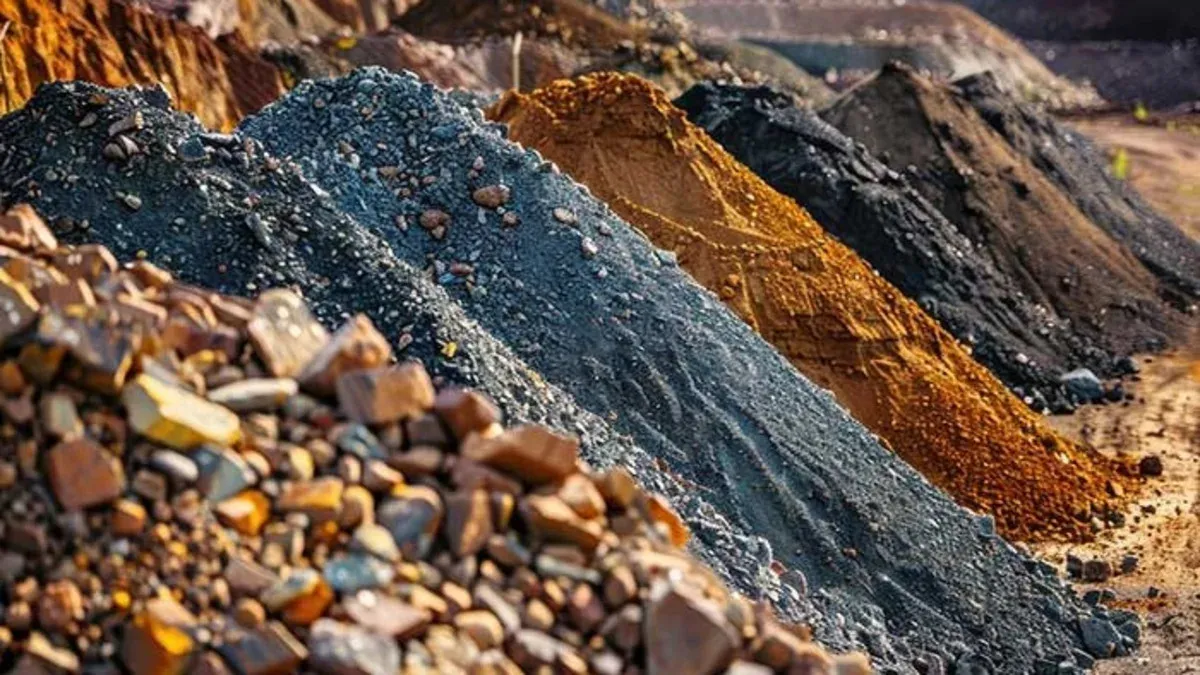
The global economy is witnessing a seismic shift, driven not just by technological advancements, but also by geopolitical tensions, particularly surrounding the rare earth minerals essential for modern manufacturing. China, which has long held a near-monopoly over the production and export of these materials, is tightening its grip through a series of export restrictions designed to elevate its domestic industries while stifling foreign competitors. In response, American companies are embarking on an ambitious endeavor to reclaim the rare earth supply chain, a move that could redefine U.S. manufacturing and national security.
REalloys, a key player in this emerging landscape, is at the forefront of this industrial revolution. By developing a vertically integrated supply chain that spans from mining to the production of high-performance magnets, REalloys is not only positioning itself as a leader in the U.S. rare earth sector, but it also symbolizes a broader strategy aimed at diminishing dependence on Chinese sources. With the Pentagon's new ban on Chinese-origin rare earth magnets set to take effect, the timing of REalloys' initiatives could not be more critical.
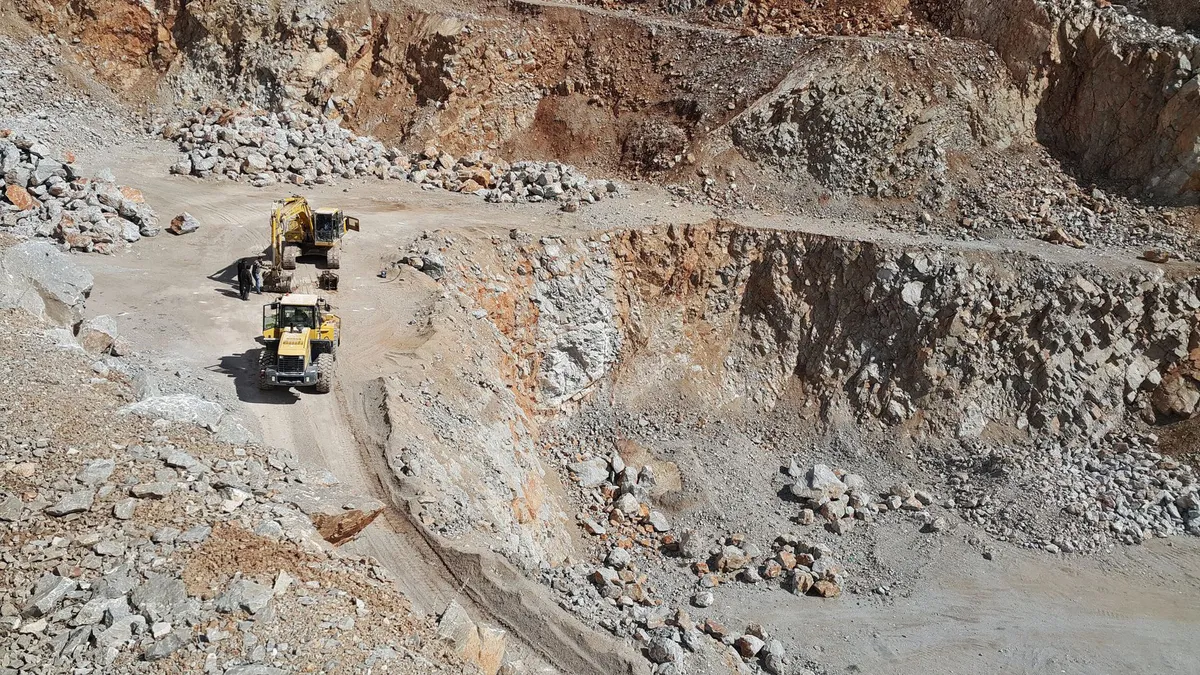
The Implications of China's Rare Earth Strategy
China's recent export restrictions on rare earth materials are a calculated maneuver within a broader strategy to maintain dominance in the global supply chain. These measures have far-reaching implications for both U.S. manufacturers and national security.
Understanding the Export Restrictions
China's approach has been methodical, employing a multi-step strategy that began with requiring export licenses for specific rare earth materials, particularly heavy rare earths like dysprosium and terbium. This initial move allowed China to control export timing and the recipients of these critical materials.
Subsequent actions have targeted specific American companies, including MP Materials and USA Rare Earth, effectively blocking them from accessing vital resources. With a public reporting system in place for suspected violations, even domestic companies are now cautious about engaging in trade with foreign entities, knowing the legal and financial risks involved.
Impact on U.S. Manufacturers
The ramifications of these restrictions are significant. Without reliable access to heavy rare earths, U.S. manufacturers face potential disruptions in their supply chains, particularly in sectors that rely on high-performance magnets for products like electric vehicles, renewable energy technologies, and defense systems. The urgency for a domestic solution has never been more pressing.

REalloys: A Beacon of Hope
In response to these challenges, REalloys has emerged as a beacon of hope for the U.S. rare earth industry. Their innovative approach not only seeks to secure necessary materials but also aims to establish a sustainable, independent supply chain.
Building the Supply Chain
REalloys has taken significant steps to ensure the availability of non-Chinese feedstock. Through exclusive agreements with various partners, including the Saskatchewan Research Council, the company has secured long-term access to critical heavy rare earth materials. Additionally, partnerships with entities in Greenland, Brazil, and Montana have expanded REalloys' feedstock pipeline.
Government Support and Funding
The U.S. government has shown strong backing for REalloys’ initiatives, with institutional investors contributing approximately $100 million to accelerate the construction of the company's facilities. Notably, the Pentagon's Defense Logistics Agency has supported REalloys' metallization technology, which is critical for converting raw materials into usable metals.

Transforming the Rare Earth Industry
REalloys' strategy encompasses not just the upstream supply of materials but also midstream and downstream operations, marking a comprehensive approach to revitalizing the U.S. rare earth industry.
Midstream Metallization Innovations
One of the most significant challenges in the rare earth supply chain has been metallization, the process of converting rare earth oxides into high-purity metals. REalloys is addressing this by developing the largest heavy rare earth metallization facility outside of China, with plans to produce substantial quantities of dysprosium and terbium metals annually. This facility is crucial for meeting the demands of defense-grade permanent magnets.
Downstream Manufacturing Capabilities
Recognizing the potential of the permanent magnet industry, valued at approximately $40 billion, REalloys is also forging partnerships with manufacturers to create a fully integrated rare earth magnet platform. Collaborations with companies like JS Link aim to consolidate the entire supply chain, from feedstock to final product, within North America.
Strategic Partnerships and Leadership
REalloys' success is bolstered by a board comprising industry leaders with deep ties to government and defense sectors. Their expertise is invaluable in navigating the complexities of supply chain logistics and national security requirements.
Building a National Security Strategy
With figures such as former U.S. Army Vice Chief of Staff General Jack Keane and GM Defense President Stephen duMont on its board, REalloys is well-positioned to align its operations with national security initiatives. The company’s leadership understands the critical nature of securing domestic supplies of rare earth materials, especially amid increasing global tensions.
Investment in Future Growth
In addition to bolstering its operational capabilities, REalloys is also focusing on expanding its market presence. By attracting significant financial backing and establishing strategic partnerships, the company is creating an environment conducive to sustainable growth within the rare earth sector.

Key Takeaways
- China's export restrictions on rare earth materials are reshaping global supply chains.
- REalloys is leading the charge to establish a domestic supply chain for rare earth materials in the U.S.
- The U.S. government's support and funding are critical to accelerating the development of the rare earth industry.
- Strategic partnerships with defense and manufacturing leaders are essential for the success of REalloys.
- The transition to a self-sufficient rare earth supply chain is vital for U.S. national security.
Frequently Asked Questions
What are rare earth materials, and why are they important?
Rare earth materials are a group of 17 elements that are critical for many modern technologies, including electronics, renewable energy systems, and defense applications. They are essential for producing high-performance magnets, batteries, and catalysts, making them integral to industries like automotive, aerospace, and technology. The scarcity of these materials outside of China has made them a focal point in global trade and security discussions.
How are U.S. companies responding to China's restrictions on rare earth exports?
U.S. companies are actively working to build independent supply chains for rare earth materials by securing partnerships and investments. Companies like REalloys are leading this effort by developing integrated platforms that cover the entire production process from mining to manufacturing, thus reducing reliance on Chinese suppliers. The U.S. government is also providing support through funding and strategic initiatives aimed at bolstering domestic production.
What role does national security play in the rare earth supply chain?
National security is a crucial consideration in the rare earth supply chain due to the strategic importance of these materials for defense technologies. A reliable domestic supply of rare earths is essential for maintaining military readiness and technological superiority. The U.S. government has recognized this need and is increasingly focusing on securing domestic sources of rare earth materials to mitigate risks associated with foreign dependency.
What can individuals do to support the U.S. rare earth industry?
Individuals can support the U.S. rare earth industry by advocating for policies that promote domestic production and investment in critical minerals. Additionally, consumers can choose products that utilize domestically sourced materials and support companies that prioritize sustainable and ethical sourcing practices. Increased public awareness can drive demand for local products, further encouraging the development of the U.S. rare earth sector.
This content is educational, not financial advice.
Comments
Applied Materials: The AI Wave and Future of Semiconductor Fabrication
As AI-driven technologies reshape the semiconductor landscape, Applied Materials stands out as a key player. Learn how market dynamics and technological advancements are influencing the company's trajectory and what it means for investors.

Related articles







Popular in Investing
- Navigating the Dismal Landscape of 2026's Worst-Performing ETFs
- Stablecoin Market Faces $10 Billion Decline — What It Means for Investors
- Avantus Secures $525 Million for Major California Solar Project
- Navigating the Pet Stocks Market: Opportunities Amidst Challenges
- Market Turmoil: How Geopolitical Tensions and Earnings Reports Impact Stocks