Navigating the Turbulent Waters of Oil Markets: The Impact of Middle East Chokepoints
The recent escalation of conflict in the Middle East has introduced new risks to oil markets, particularly focusing on the Bab el-Mandeb Strait and its implications for global oil supply. Understanding these chokepoints is crucial for consumers and investors alike.
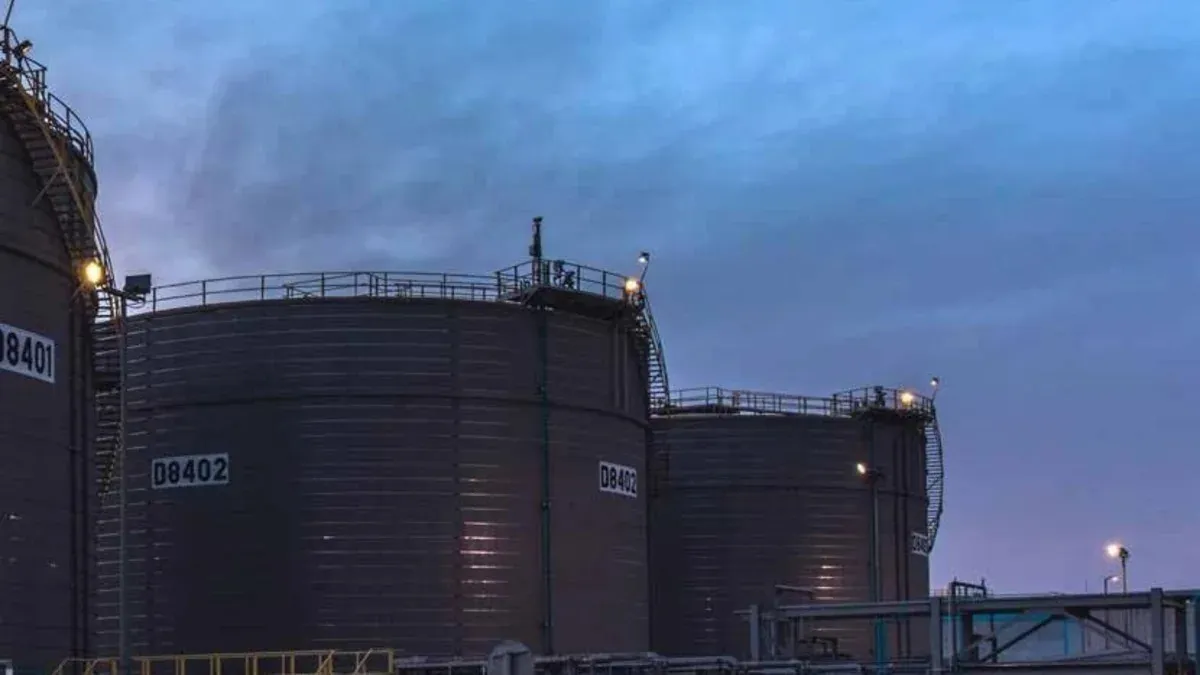
The oil markets are currently navigating through a complex web of geopolitical tensions that are reshaping supply dynamics and pricing structures. Recent developments, particularly in the Middle East, have highlighted two critical chokepoints that are vital for the global oil trade—the Strait of Hormuz and the Bab el-Mandeb Strait. Both regions are now under increased scrutiny as escalating conflicts threaten to disrupt oil flows, which could have significant implications for consumers, investors, and the global economy.
As of late July 2026, oil prices have seen dramatic fluctuations, driven largely by reports of Pakistan attempting to mediate U.S.-Iran nuclear negotiations. This diplomatic effort comes at a time when China is closely monitoring these developments, given its reliance on oil imports from the Middle East. Brent crude oil, for instance, experienced a significant drop to $96.36 per barrel, while West Texas Intermediate (WTI) fell to $88.86 per barrel, influenced by both geopolitical tensions and market sentiment. However, analysts at Standard Chartered warn that this dip may be temporary, as the risks associated with Middle East oil markets have now expanded significantly, particularly with the imposition of a maritime blockade by Yemen's Houthi militants.
The Threat of Blockades and Their Repercussions
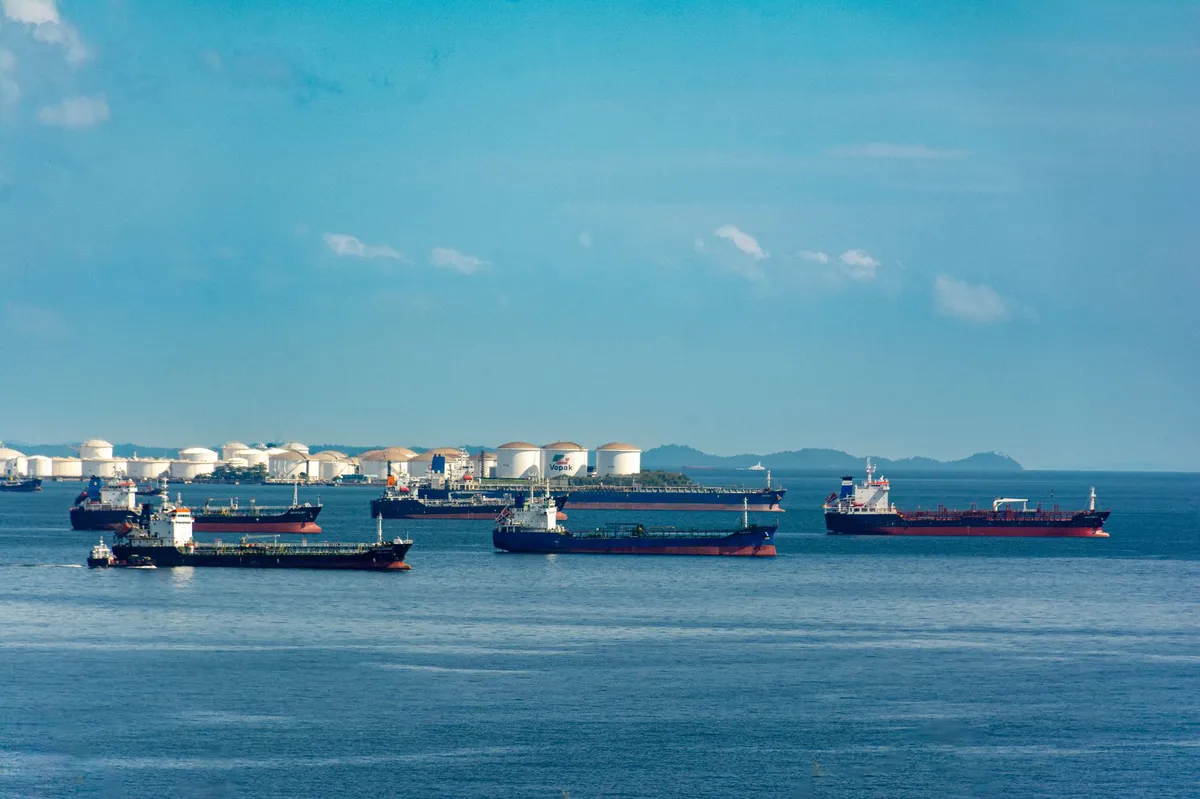
The Houthis' blockade of the Bab el-Mandeb Strait—a crucial maritime passage connecting the Red Sea to the Gulf of Aden—marks a new level of aggression in the ongoing conflict between Yemen and Saudi Arabia. Following a decade of hostilities and retaliatory actions, including a recent Saudi airstrike on Sanaa International Airport, the Houthis have taken a stand that could further destabilize oil supply routes. The blockade led to immediate repercussions, with several Saudi-linked Very Large Crude Carriers (VLCCs) rerouting around Africa's Cape of Good Hope to avoid the area, effectively adding two weeks to their voyages.
Impact on Oil Prices
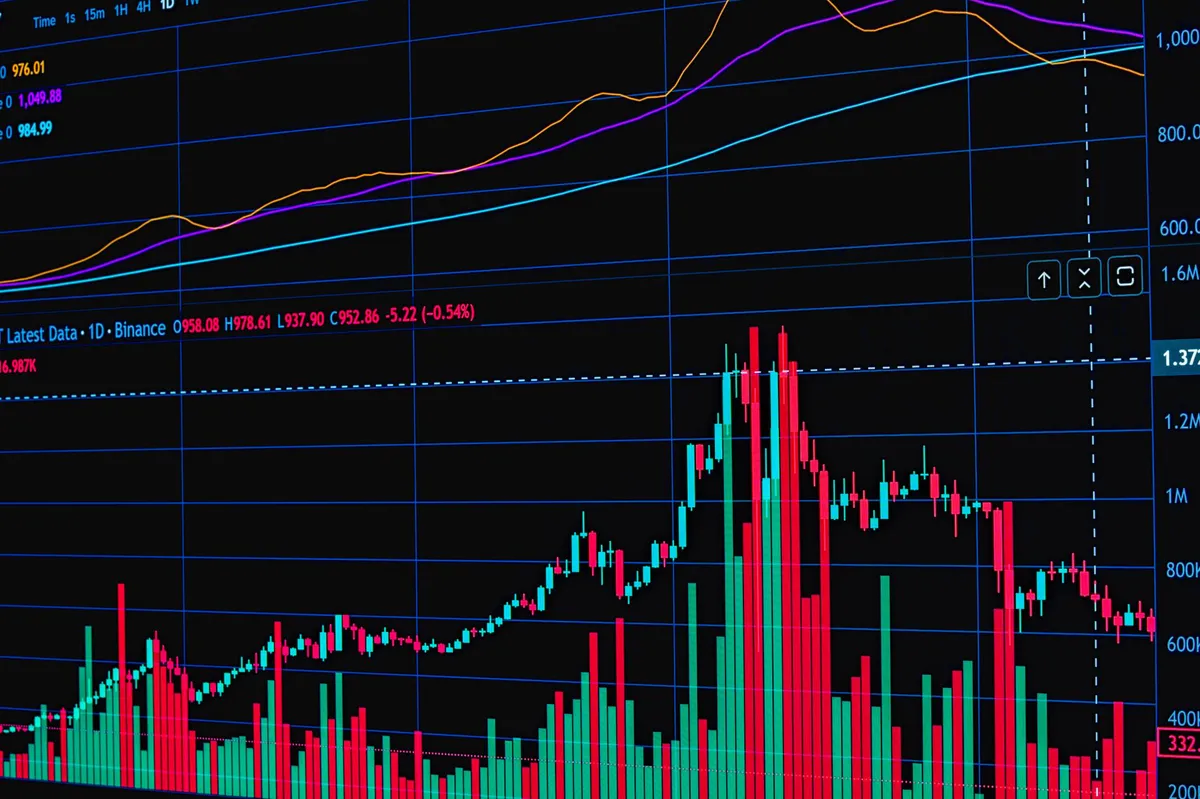
In the wake of these actions, oil prices surged dramatically, with Brent crude briefly crossing the $100 mark. The volatility in price reflects not only the immediate supply concerns but also the broader implications for international markets. The Bab el-Mandeb Strait is one of the most significant chokepoints globally, with approximately 7 million barrels per day transiting through this route prior to the Houthi attacks. The closure or disruption of this strait can ripple through the entire oil market, affecting everything from shipping costs to insurance premiums.
Repercussions on Global Trade Flows
The implications of the blockade extend beyond immediate price hikes. As Saudi Arabia has already redirected a significant portion of its crude exports—about 70% to 75%—through the East-West pipeline to the Red Sea port of Yanbu, the ability to adapt to further disruptions is limited. Standard Chartered estimates that loadings at Yanbu have ramped up to approximately 4.5 million barrels per day. However, if the Bab el-Mandeb Strait remains compromised, Saudi Arabia may find itself in a position where it must curtail production due to insufficient alternative export routes.
European Refiners at Risk
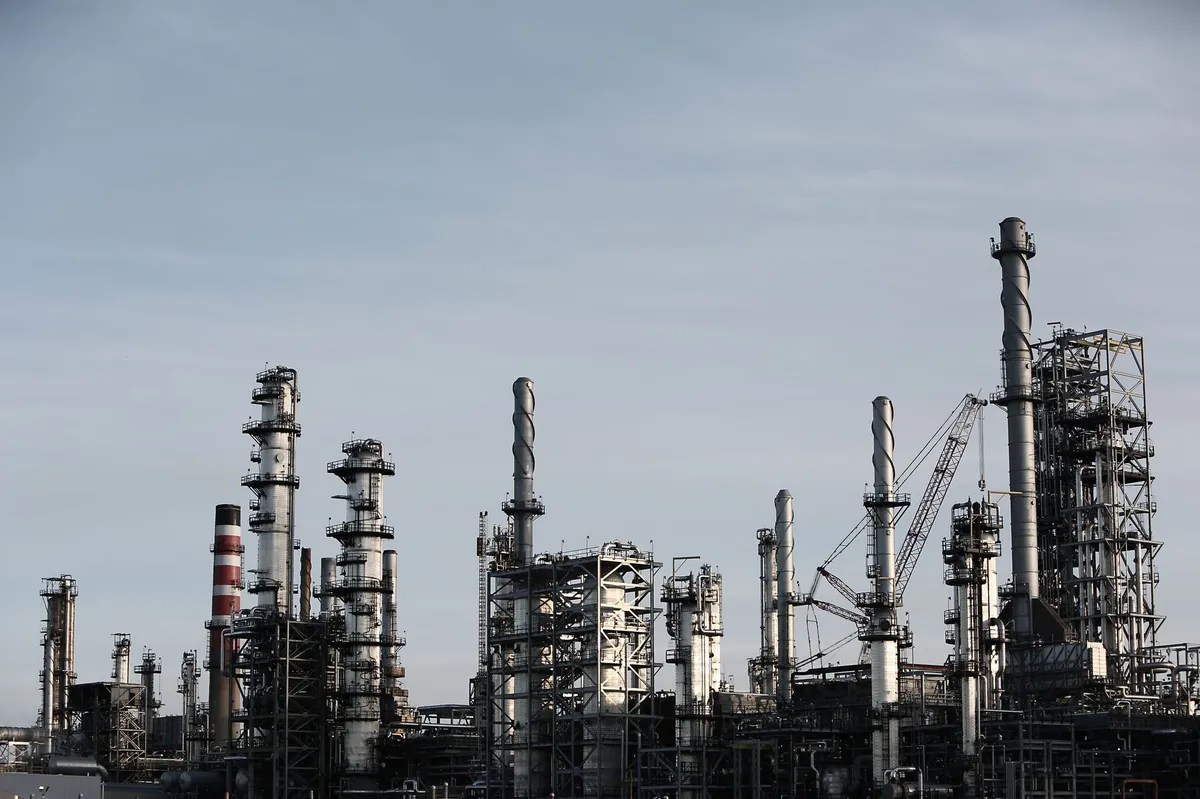
European refiners stand to be among the hardest hit by these developments. With existing supply disruptions linked to the ongoing conflict in Ukraine impacting Russian refinery operations, any additional challenges at the Bab el-Mandeb would exacerbate the situation. European diesel markets, which are already facing tight supply due to these geopolitical tensions, could see further delays in shipments of essential fuels like diesel and jet fuel. The potential diversion of tanker traffic around the Cape of Good Hope could extend delivery times by as much as 10-15 days, complicating inventory management and pricing strategies for refiners.
Insurance and Freight Rate Increases
As the geopolitical landscape continues to shift, the oil shipping industry is preparing for increased operational costs. War-risk insurance premiums are likely to soar, further inflating freight rates and tightening tanker availability. For example, the cost of insuring shipments through high-risk areas may rise significantly, making it less economically viable for some companies to operate in these regions. This creates a cascading effect that can lead to delays in cargo deliveries and increased prices for consumers.
Clean Product Tankers Under Pressure
Particularly vulnerable are clean product tankers that transport refined petroleum products. Unlike crude oil tankers, these specialized vessels have a higher dependency on passage through the Suez Canal, which is now under threat due to the rising tensions in the region. With the logistical challenges of transferring cargoes to smaller tankers or rerouting through the SUMED pipeline, the entire supply chain faces disruptions that could lead to further pricing volatility in the refined products market.
Key Takeaways
- Two critical chokepoints—the Bab el-Mandeb Strait and the Strait of Hormuz—are under increased threat from regional conflicts.
- Recent Houthi actions have resulted in significant disruptions, causing oil prices to surge above $100 per barrel temporarily.
- The rerouting of VLCCs is causing delays and increased shipping costs, impacting global supply chains.
- European refiners may face severe supply constraints, leading to further price increases for consumers.
- Insurance and freight rates are expected to rise, affecting the economics of oil transport.
Frequently Asked Questions
What are the implications of the Bab el-Mandeb Strait blockade?
The blockade significantly disrupts oil supply routes, leading to increased shipping times and costs. It also has the potential to cause spikes in oil prices as markets react to perceived risks. If the blockade continues, it could force oil-producing nations to cut back on production due to logistical constraints, further tightening global supply.
How does the Strait of Hormuz factor into all of this?
The Strait of Hormuz is another critical chokepoint for oil shipments, as a substantial percentage of the world's crude oil passes through this narrow passage. Any disruption here, combined with issues at the Bab el-Mandeb, would compound supply problems and further destabilize oil markets.
What should consumers expect in terms of oil prices?
Given the recent volatility in oil prices and the ongoing geopolitical tensions in the Middle East, consumers can expect continued fluctuations. If disruptions persist or escalate, prices at the pump may rise as refiners face increased costs and supply constraints.
How can investors prepare for potential market volatility?
Investors should consider diversifying their portfolios to mitigate risk associated with oil price fluctuations. This might include investing in energy stocks, commodities, or funds that focus on energy resources. Staying informed about geopolitical developments and understanding market trends will also be crucial for making informed investment decisions.
Disclaimer: This content is educational, not financial advice.
Comments
Applied Materials: The AI Wave and Future of Semiconductor Fabrication
As AI-driven technologies reshape the semiconductor landscape, Applied Materials stands out as a key player. Learn how market dynamics and technological advancements are influencing the company's trajectory and what it means for investors.

Related articles






Popular in Investing
- Navigating the Dismal Landscape of 2026's Worst-Performing ETFs
- Stablecoin Market Faces $10 Billion Decline — What It Means for Investors
- Avantus Secures $525 Million for Major California Solar Project
- Navigating the Pet Stocks Market: Opportunities Amidst Challenges
- Market Turmoil: How Geopolitical Tensions and Earnings Reports Impact Stocks