Boeing's Strong Q2 Performance: Revenue Rises Amid Challenges
Boeing's second-quarter results reveal a promising rise in revenue and cash flow, driven by increased jet deliveries. However, challenges continue, particularly with the Air Force One program, which has incurred significant costs.
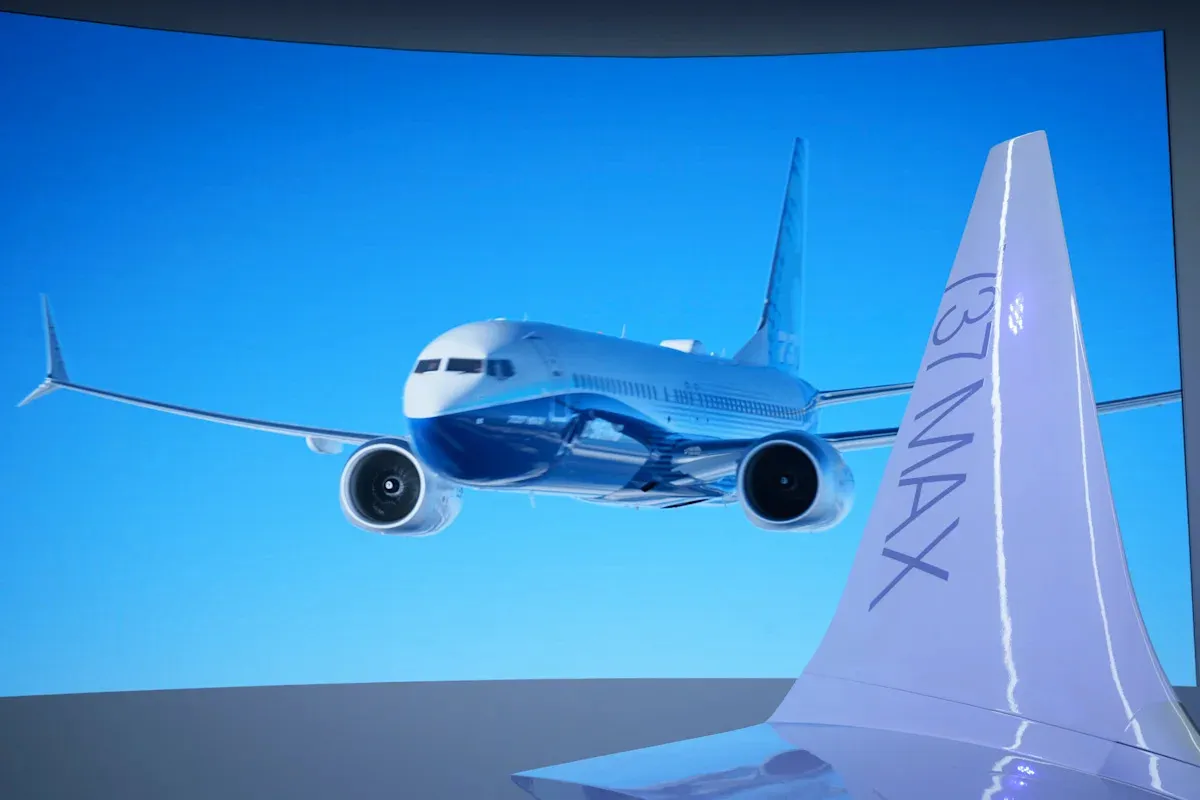
Boeing's second quarter of 2026 has unveiled a narrative of resilience and growth in the face of formidable challenges. With a reported revenue of $24.6 billion, an impressive 8% increase from the previous year, the aerospace giant has exceeded analysts' expectations and marked a significant turnaround in cash flow. This uptick in performance is largely attributed to a rise in jet deliveries, which propelled Boeing into positive free cash flow territory. However, not all news is bright; the company faced a substantial setback due to the ongoing Air Force One program, which led to a hefty charge of $280 million.
In a market where precision and reliability are paramount, Boeing's ability to navigate through both triumphs and tribulations is vital. CEO Kelly Ortberg's leadership is pivotal as the company continues its journey towards recovery and competitiveness in a rapidly evolving aerospace industry.
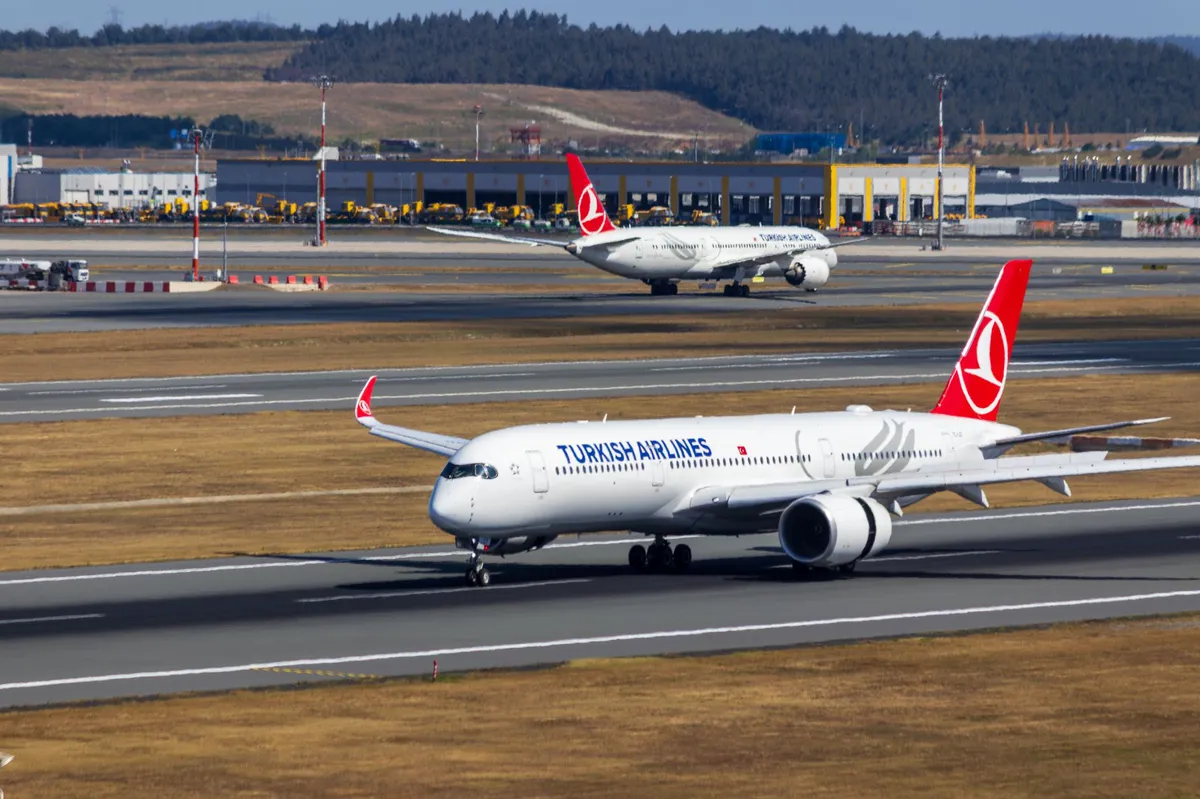
Revenue Growth Driven by Jet Deliveries
The most notable aspect of Boeing's Q2 report is the surge in aircraft deliveries, which reached 171, up from 150 in the same quarter last year. This increase signals a robust demand for commercial aircraft, particularly the Boeing 737 Max, which accounted for a remarkable 129 of these deliveries—approximately 75% of the total output. The 737 program has not only resumed but is also transitioning to a higher production rate of 47 aircraft per month. This ramp-up indicates a strong recovery trajectory following past operational challenges, including the well-documented safety issues that plagued the 737 Max in previous years.
Positive Free Cash Flow and Market Response
Another noteworthy achievement in Boeing's Q2 results is the positive adjusted free cash flow of $631 million, contrasting sharply with the negative cash burn of $331.4 million that analysts had anticipated. This financial turnaround is a clear indication that the company is on a healthier fiscal path, suggesting improved operational efficiency and management of working capital. The increase in operating cash flow, soaring to $1.4 billion, nearly double the consensus estimate, has garnered a favorable market response, with Boeing's stock showing an uptick of nearly 2% following the earnings release.
Challenges Ahead: The Air Force One Program
Despite the positive financial indicators, Boeing is not without its challenges. The company faced a significant setback related to the VC-25B program, which involves the production of the next generation of Air Force One jets. The program has incurred a $280 million charge, primarily due to increased investments in production and certification resources. Such costs highlight the complexities and intricacies involved in government contracts, particularly with projects that are subject to extensive scrutiny and strict regulatory requirements. While Boeing maintains its timeline for a first delivery in 2028, this delay and associated costs can impact investor confidence and project viability.
Operational Margins Under Pressure
The financial burden from the Air Force One program has also affected Boeing's operational margins. The Defense, Space & Security division, which reported a 13% increase in revenue to $7.5 billion, swung to a negative margin of (0.2)%. This scenario underscores the tension between revenue growth and the costs associated with delivering complex defense contracts.
Future Outlook: Anticipating Continued Growth
Boeing's leadership remains optimistic about the future, projecting free cash flow between $1 billion and $3 billion for the current year. This forecast reflects confidence in the company's ability to harness the momentum of rising jet deliveries and operational improvements. Furthermore, the certification processes for new aircraft models, such as the 737-7 and 737-10, are progressing, with expectations for certification in 2026. The recent FAA approval to begin certification flight testing for the 777X is another positive sign, indicating that Boeing is making strides in expanding its product offerings and meeting market demand.
Focus on Safety and Quality
As Boeing navigates this complex landscape, CEO Ortberg emphasizes the importance of safety, quality, and on-time performance. These elements are critical not only for operational success but also for restoring stakeholder trust after previous setbacks. By prioritizing these factors, Boeing aims to enhance its competitiveness and solidify its reputation in the aerospace market.
Key Takeaways
- Boeing's Q2 revenue reached $24.6 billion, surpassing expectations.
- Commercial aircraft deliveries rose to 171, primarily driven by the 737 Max.
- The Air Force One program incurred a $280 million charge, impacting margins.
- Positive free cash flow of $631 million signals a turnaround.
- Future projections suggest continued growth with anticipated free cash flow of $1-$3 billion this year.
Frequently Asked Questions
What factors contributed to Boeing's revenue growth in Q2?
Boeing's revenue growth in the second quarter of 2026 can be attributed primarily to a significant increase in aircraft deliveries, particularly the Boeing 737 Max. The company delivered 171 commercial aircraft during the quarter, up from 150 the previous year. Additionally, favorable working capital timing and improvements in operational efficiencies contributed to the positive financial outcomes.
How has the Air Force One program affected Boeing's financial performance?
The Air Force One program has had a considerable negative impact on Boeing's financial performance, resulting in a $280 million charge during the second quarter. This charge reflects the company's investment in additional production and certification resources necessary to meet the demands of this high-profile government contract. While it has added financial strain, Boeing remains committed to the program and anticipates first deliveries in 2028.
What is the outlook for Boeing's future cash flow?
Boeing projects a positive outlook for its cash flow, anticipating free cash flow between $1 billion and $3 billion for the current year. This expectation is bolstered by rising jet deliveries and improved operational performance. The company aims to continue its recovery trajectory while addressing the challenges posed by complex projects like the Air Force One program.
How is Boeing addressing past operational challenges?
Boeing is actively addressing past operational challenges by focusing on enhancing safety, quality, and on-time performance. CEO Kelly Ortberg has emphasized these priorities as essential to restoring stakeholder trust and ensuring the company's competitiveness in the aerospace market. Through rigorous quality control and adherence to safety protocols, Boeing aims to overcome the difficulties it faced in recent years and build a more resilient operational framework.
Disclaimer: The content is educational, not financial advice.
Comments
Applied Materials: The AI Wave and Future of Semiconductor Fabrication
As AI-driven technologies reshape the semiconductor landscape, Applied Materials stands out as a key player. Learn how market dynamics and technological advancements are influencing the company's trajectory and what it means for investors.

Related articles




Popular in Investing
- Navigating the Dismal Landscape of 2026's Worst-Performing ETFs
- Stablecoin Market Faces $10 Billion Decline — What It Means for Investors
- Avantus Secures $525 Million for Major California Solar Project
- Navigating the Pet Stocks Market: Opportunities Amidst Challenges
- Market Turmoil: How Geopolitical Tensions and Earnings Reports Impact Stocks