Apple Surpasses $5 Trillion Market Cap: A Historic Milestone
Apple Inc. has made history by becoming the second company ever to achieve a market capitalization of $5 trillion. This landmark achievement highlights the tech giant's resilience and strategic shifts as it navigates challenges in the AI landscape.
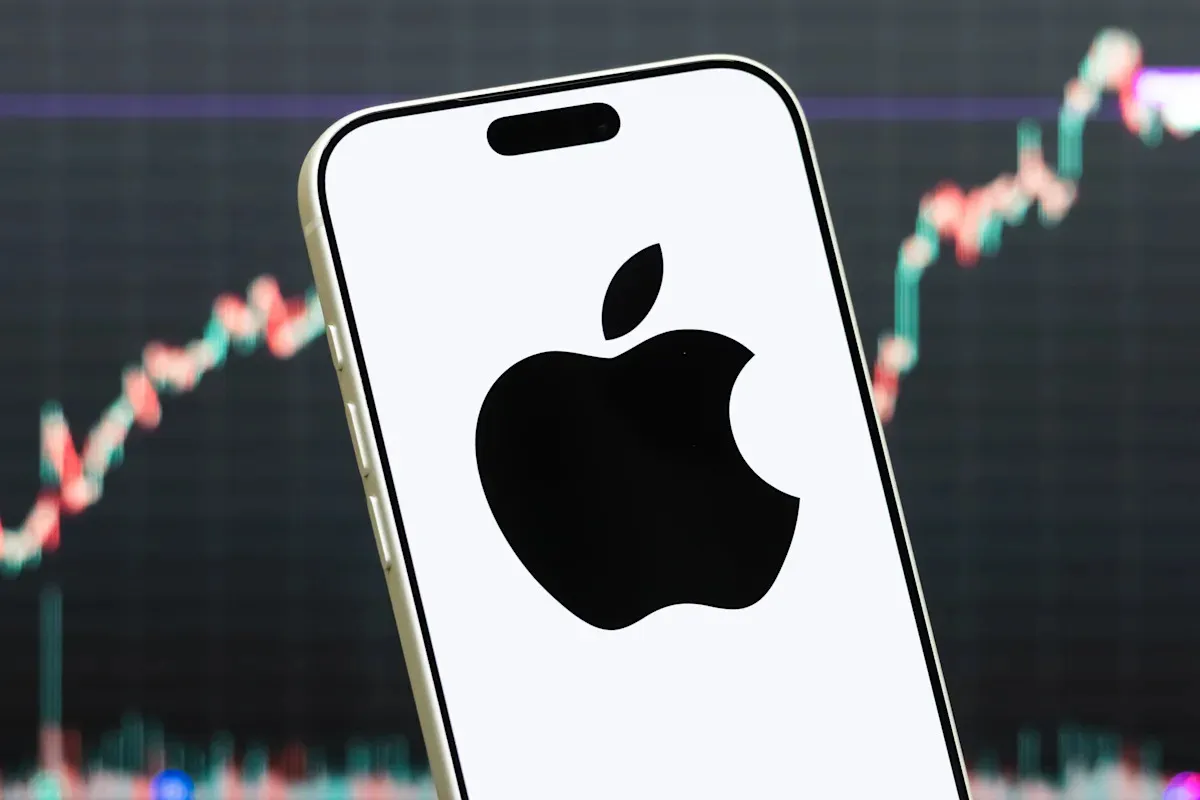
In a remarkable demonstration of resilience and innovation, Apple Inc. has become only the second publicly traded company in history to achieve a market capitalization of $5 trillion. This milestone, reached in July 2026, comes less than a year after Apple crossed the $4 trillion mark in October 2025, showcasing the company's remarkable growth trajectory.
Driven by robust sales of its flagship products, particularly the iPhone, Apple’s stock has surged approximately 24% year to date and nearly 60% over the past 12 months. However, this growth has not come without its share of challenges. Investors have expressed concerns over Apple's perceived shortcomings in the rapidly evolving arena of artificial intelligence (AI), particularly in comparison to its tech rivals.
The Road to $5 Trillion
The journey to a $5 trillion market cap has been anything but linear for Apple. Following a strong push in 2025, which saw the company’s stock rise significantly, Apple has faced scrutiny regarding its place in the AI revolution. Despite launching its Apple Intelligence platform in 2024, the company encountered delays in rolling out key AI features, including an upgraded version of Siri, which resulted in executive shakeups and strategic reassessments.
To bolster its AI capabilities, Apple entered into a partnership with Google to utilize the latter's Gemini AI models for its voice assistant. This move was seen as crucial for revitalizing Siri and aligning Apple more closely with the booming AI sector.

Market Performance and Competitive Landscape
Apple's impressive stock performance stands in stark contrast to some of its Big Tech counterparts. For instance, while Apple shares have appreciated by approximately 130% since the launch of OpenAI's ChatGPT in late 2022, other companies like Nvidia have seen astronomical gains of around 1,125%. Meta and Google also enjoyed significant increases of 386% and 226%, respectively. This disparity has raised questions about Apple's growth potential in an increasingly AI-driven market.
Interestingly, despite the slower growth in stock price compared to AI-focused rivals, Apple has managed to avoid some of the volatility that has plagued companies like Microsoft. After reaching an all-time high of $542.07 in October 2025, Microsoft shares have since dropped by about 28% amid concerns over its AI spending and growth prospects.
Challenges and Opportunities Ahead
While Apple’s stock continues to climb, the company faces unique challenges stemming from the global memory and storage shortages exacerbated by the AI boom. This shortage has led Apple to increase prices on some of its products, including Macs and iPads. Although iPhone prices have remained stable so far, industry analysts suggest that upcoming models may see price adjustments as production costs rise.
As Apple navigates these challenges, it must also prepare for a significant leadership transition. CEO Tim Cook is set to hand over the reins to John Ternus on September 1, marking a pivotal moment in Apple’s history. Ternus, a veteran within the company, will likely steer Apple through this complex landscape as it seeks to leverage emerging technologies while maintaining its market dominance.
The Implications for Investors
The achievement of a $5 trillion market cap is not just a symbolic milestone; it carries meaningful implications for both investors and the broader tech industry. As Apple continues to innovate and adapt to market demands, investors need to pay close attention to several key factors:
- Product Innovations: Upcoming launches, especially the anticipated foldable iPhone and the revamped Siri, could significantly impact Apple’s market position.
- AI Integration: The effectiveness of Apple's AI initiatives will be crucial for maintaining competitive parity with other tech giants.
- Pricing Strategy: How Apple navigates product pricing in the face of rising production costs will influence consumer demand and profit margins.
- Leadership Direction: John Ternus’s strategic vision will shape the company's future, especially in terms of technology investments and product development.

Key Takeaways
- Apple is the second company to reach a $5 trillion market cap, underscoring its dominance in the tech sector.
- Stock performance has been strong but lags behind AI-focused competitors like Nvidia and Meta.
- Apple is facing challenges with rising production costs and a global memory shortage, which may affect future pricing.
- A significant leadership change is on the horizon, with John Ternus set to succeed Tim Cook as CEO.
Frequently Asked Questions
What does it mean for a company to reach a $5 trillion market cap?
A market capitalization of $5 trillion indicates that the total market value of a company's outstanding shares is $5 trillion. This milestone reflects investors' confidence in the company's growth potential and financial stability. Achieving this cap places Apple among a select group of companies, highlighting its influence and significance in global markets.
How does Apple's stock performance compare to its competitors?
While Apple has seen substantial stock appreciation, its growth rate has not matched that of some AI-centric companies. For example, Nvidia's stock skyrocketed by over 1,100% since the introduction of AI technologies like ChatGPT, while Apple's stock increased by approximately 130% during the same period. This comparison indicates that while Apple remains a strong player, it may need to enhance its AI offerings to compete more effectively.
What challenges does Apple face in the current market environment?
Apple is currently grappling with a global memory and storage shortage, which has resulted in increased production costs. This situation may force the company to raise prices on its products, potentially impacting consumer demand. Additionally, Apple's slower pace in AI development compared to its rivals raises concerns about its future growth prospects in an industry increasingly driven by artificial intelligence.
What should investors consider following this milestone?
Investors should monitor Apple's upcoming product launches and the effectiveness of its AI integration. The transition in leadership also presents an opportunity to reassess Apple's strategic direction and innovation strategy. Understanding how Apple adapts to market changes and consumer preferences will be crucial for assessing its long-term investment potential.
Disclaimer: This content is educational, not financial advice.
Comments
Applied Materials: The AI Wave and Future of Semiconductor Fabrication
As AI-driven technologies reshape the semiconductor landscape, Applied Materials stands out as a key player. Learn how market dynamics and technological advancements are influencing the company's trajectory and what it means for investors.

Related articles







Popular in Investing
- Navigating the Dismal Landscape of 2026's Worst-Performing ETFs
- Stablecoin Market Faces $10 Billion Decline — What It Means for Investors
- Avantus Secures $525 Million for Major California Solar Project
- Navigating the Pet Stocks Market: Opportunities Amidst Challenges
- Market Turmoil: How Geopolitical Tensions and Earnings Reports Impact Stocks