Why the 15% Yield on Blue Chip Stocks is Raising Concerns
The VistaShares Target 15 Berkshire Select Income ETF offers a staggering 15% yield, but this raises questions about sustainability and investor risk. Delve into how this ETF operates, its underlying assets, and what it means for income investors.

The prospect of a 15% yield on blue chip stocks should be music to any income investor’s ears. After all, who wouldn't want to secure a robust return from some of the most established companies in the market? However, the VistaShares Target 15 Berkshire Select Income ETF (NYSEARCA: OMAH) has raised eyebrows among savvy investors and financial analysts alike, as its high yield is built on a foundation that is anything but traditional. This article explores how OMAH achieves its headline-grabbing returns and the implications for those considering this investment.
Launched on March 5, 2025, OMAH has quickly attracted attention with its 14.9% trailing yield, a figure that stands out starkly against the backdrop of a volatile market. While the ETF mirrors the public holdings of Warren Buffett's Berkshire Hathaway, it layers on a strategy involving covered calls—a method that allows the fund to generate income through option premiums rather than relying solely on dividends. With nearly $958 million in assets under management across 102 positions, OMAH is not just a niche product; it represents a significant shift in how income can be generated from blue-chip stocks.
Understanding the Yield: How OMAH Operates
At first glance, OMAH's substantial yield appears attractive, but it’s essential to peel back the layers of how that yield is generated. The ETF's portfolio includes prominent names like Coca-Cola, American Express, and Chevron—household brands that have historically been seen as safe investments. However, the average underlying dividend yield of these stocks is significantly lower than OMAH's advertised yield. For instance, Coca-Cola offers a yield of just 2.5%, while Chevron and American Express provide yields of 3.8% and 1%, respectively.
To bridge this gap, OMAH employs a covered call strategy, where it sells short-dated call options against its stock holdings. This strategy generates premium income, which is then distributed to shareholders. As of April 30, 2026, OMAH's filings revealed positions in several high-profile companies, with substantial option premiums collected from selling calls on stocks like Apple and Alphabet. However, this strategy relies heavily on market volatility; if the market stabilizes or experiences a downturn, the premiums could shrink, impacting the ETF's ability to maintain its high yield.
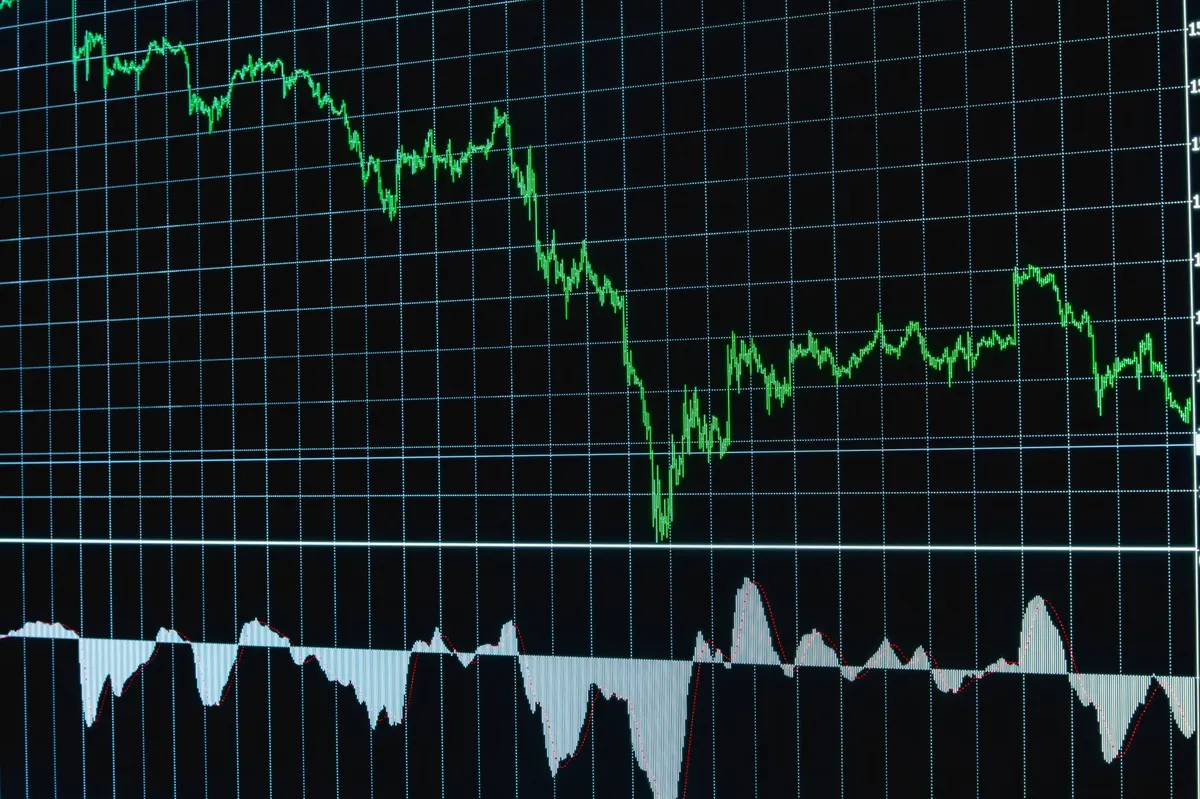
Evaluating the Safety of Underlying Dividends
One of the critical areas of concern for income investors is the safety of the underlying dividends from the stocks held within OMAH. Companies like Coca-Cola and American Express have demonstrated robust performance in recent quarters. For example, Coca-Cola reported a free cash flow of $1.76 billion in Q1 2026 and increased its quarterly dividend to $0.53. This solid financial performance contributes to a sense of security regarding their dividend payouts.
American Express is also in a strong position, boasting earnings per share (EPS) of $15.87 against an annualized dividend of $3.80, providing a payout coverage ratio of approximately 4x. This means that for every dollar paid out in dividends, AmEx earns four dollars, suggesting that the dividend is well-covered. Bank of America has similarly increased its quarterly dividend to $0.40 following a 27% growth in net income in Q2, further reinforcing the stability of the underlying assets.
However, not all stocks in OMAH's portfolio are on solid ground. Occidental Petroleum, which carries a 6% weighting in the fund, has a tumultuous history, having cut its dividend by 87% during the 2020 crisis. Although its current payout is $0.26 quarterly, it remains a riskier component of the ETF, raising questions about the overall stability of the fund’s distribution strategy.

The Implications of a 305% Payout Ratio
Perhaps the most alarming figure associated with OMAH is its payout ratio of 305%. This figure indicates that the distribution to shareholders is largely funded not by earnings but by option premiums and, at times, return of capital—a practice that can be unsustainable in the long run. A high payout ratio suggests that a fund is paying out more than it is earning, which could lead to potential issues, particularly if market conditions change.
The current market volatility, as indicated by the VIX hovering around 19, supports OMAH's premium generation. However, a significant decrease in volatility could compress the premiums collected, jeopardizing the fund's ability to sustain its high yield. Furthermore, if the underlying stocks experience a sharp rally, it could cap the upside on the stocks that OMAH has written calls against, limiting growth potential.
Comparing OMAH to Traditional Investments
While OMAH shines with its impressive yield, it’s essential to consider how it stacks up against more traditional investment vehicles. For instance, Berkshire Hathaway, known for its stability and long-term capital appreciation, has historically provided investors with a more balanced return profile. Although OMAH's total return—factoring in both price appreciation and distribution—has outpaced Berkshire's B shares over the past year, the underlying risks associated with OMAH’s structure cannot be ignored.
Investors seeking a similar options-income strategy may find alternatives such as the JPMorgan Equity Premium Income ETF (JEPI) or the SPDR S&P 500 ETF Trust (SPYI) more appealing, given their longer track records and broader index exposure. OMAH's underlying strategy of generating income through options has not been tested in various market conditions, raising questions about its long-term viability.

Key Takeaways
- High Yield Concerns: OMAH offers a 14.9% yield, but it is heavily reliant on options premiums rather than traditional dividends.
- Dividend Safety: While some underlying stocks are stable, others pose risks that could affect overall distribution sustainability.
- Payout Ratio Alert: The fund’s 305% payout ratio indicates potential unsustainability, relying on earnings from options rather than cash flow.
- Market Volatility Impact: A drop in market volatility could significantly reduce the premiums OMAH relies on for its distributions.
- Comparative Strategies: Traditional investments like Berkshire Hathaway may offer more stability compared to OMAH’s high-yield approach.
Frequently Asked Questions
What is a covered call strategy?
A covered call strategy involves holding a stock and selling call options against it. This allows investors to earn premium income from the options while still retaining ownership of the stock. It is a popular strategy for generating income but limits potential upside if the stock price rises above the strike price of the call option sold.
Is OMAH a safe investment?
While OMAH offers an attractive yield, its reliance on options premiums and the high payout ratio raises concerns about its safety. Investors should consider the inherent risks associated with its strategy, especially in volatile market conditions. It is advisable to conduct thorough research and consider personal risk tolerance before investing.
How do dividends from blue chip stocks work?
Dividends from blue chip stocks are typically paid out of a company's earnings, providing shareholders with a portion of the profits. Companies like Coca-Cola and American Express have a history of paying consistent dividends, which contribute to their reputation as stable investments. However, the safety and sustainability of these dividends can vary based on the company’s financial health and market conditions.
What should investors look for in high-yield investments?
Investors seeking high-yield investments should evaluate the sustainability of the yield, the underlying assets' stability, and the payout ratios. It's essential to assess whether the income is generated through reliable cash flow or reliant on more volatile sources like options premiums. Conducting due diligence on the investment's historical performance can also provide valuable insights.
This content is for educational purposes only and should not be considered financial advice.
Comments
Applied Materials: The AI Wave and Future of Semiconductor Fabrication
As AI-driven technologies reshape the semiconductor landscape, Applied Materials stands out as a key player. Learn how market dynamics and technological advancements are influencing the company's trajectory and what it means for investors.

Related articles





Popular in Investing
- Navigating the Dismal Landscape of 2026's Worst-Performing ETFs
- Stablecoin Market Faces $10 Billion Decline — What It Means for Investors
- Avantus Secures $525 Million for Major California Solar Project
- Navigating the Pet Stocks Market: Opportunities Amidst Challenges
- Market Turmoil: How Geopolitical Tensions and Earnings Reports Impact Stocks