Navigating Alphabet's AI Spending and Its Impact on GOOGL Stock
Alphabet's aggressive investment in AI is reshaping its financial landscape, pushing its free cash flow into negative territory. Here's what investors need to know.
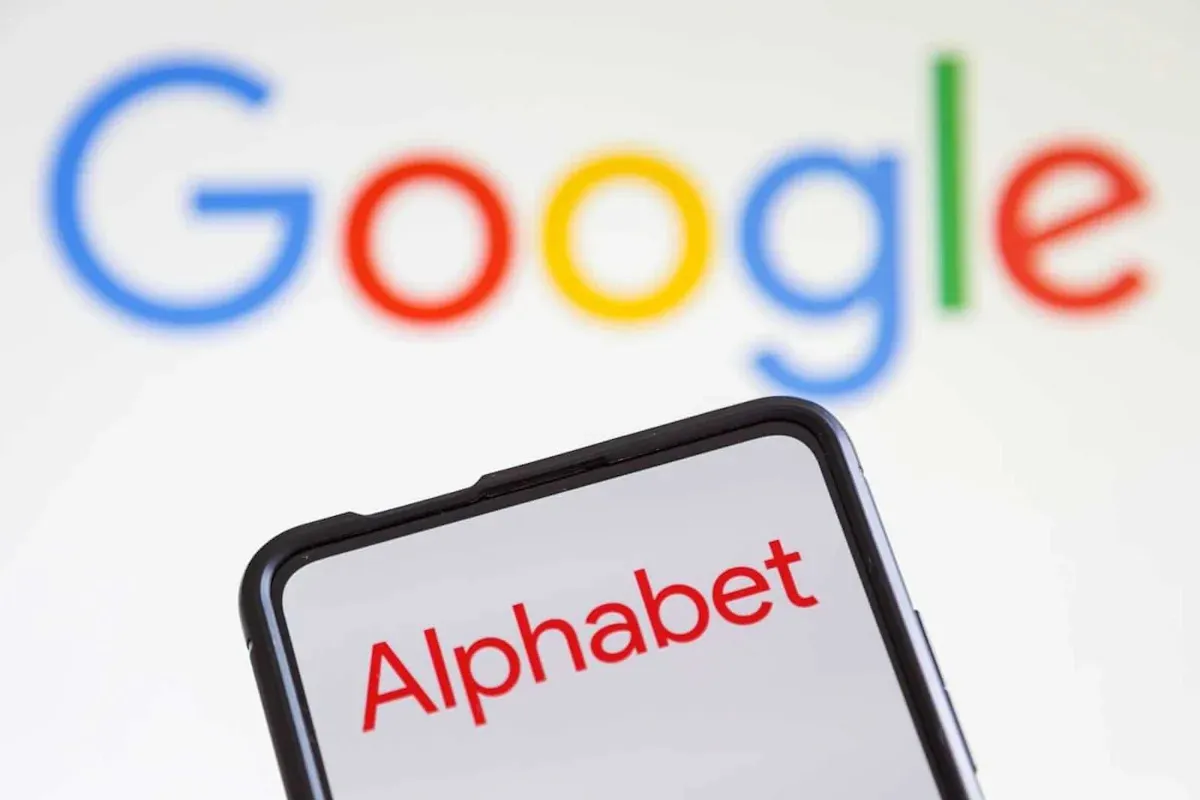
Alphabet Inc. (GOOGL), the parent company of Google, is currently at a pivotal moment in its operational history as it dives headfirst into the artificial intelligence (AI) race. While its ambitious spending strategy aims to bolster its competitive edge and enhance its Google Cloud services, the financial repercussions are starting to surface. For the first time since going public in 2004, Alphabet reported negative free cash flow, raising significant concerns among investors about the sustainability of its growth amidst escalating capital expenditures.
As the tech giant embarks on a massive $205 billion spending plan, the question arises: How should investors approach GOOGL stock in light of these financial challenges? Understanding the implications of Alphabet's heavy investment in AI is crucial for current and potential shareholders looking to navigate this complex financial landscape.
Alphabet's Financial Landscape: A Shift in Cash Flow
Traditionally seen as a cash-generating powerhouse, Alphabet's recent earnings report has caused ripples of concern across Wall Street. Key figures reveal a sharp downturn in free cash flow, which dropped to a staggering $5.9 billion negative during the second quarter. This downturn is particularly alarming given that the company had previously enjoyed consistent cash generation, which helped propel its market capitalization to approximately $3.87 trillion.
Investors were caught off guard when Alphabet raised its full-year capital expenditure (capex) guidance by $15 billion, pushing the anticipated spending range to between $195 billion and $205 billion. This increase followed soaring prices for essential components like memory chips, a critical resource for AI hardware. Although Alphabet's management framed this boost as necessary for scaling AI capabilities and meeting rising cloud demand, the market reacted negatively. In a single day, GOOGL shares plummeted by 7.13%, wiping out over $293 billion from the company's market value.

The AI Spending Surge: What It Means for Investors
The crux of the matter lies in Alphabet's strategy to dominate the AI sector, which requires substantial investments in data centers and advanced computing infrastructure. Such investments are critical for Google Cloud, which has emerged as a significant revenue driver for the company, generating $24.77 billion in revenue for Q2—an impressive 82% year-over-year increase. However, the challenge remains: can this robust growth in cloud revenue justify the massive expenditures?
Alphabet's Chief Financial Officer, Anat Ashkenazi, has indicated that free cash flow will continue to be under pressure as the company ramps up its investment in AI technologies. Analysts now project that free cash flow for the upcoming quarter will be just $452.7 million, a steep decline from the previous estimate of $7.69 billion. With such financial strains, the question of sustainability looms large.
The Long-Term Outlook: Market Expectations and Concerns
As Alphabet's AI investments drive up capital expenditures, analysts are grappling with the long-term implications for the company’s financial health. Some projections suggest that capital expenditures could reach as high as $375 billion next year, raising alarms about the viability of such spending levels. Melius Research's Ben Reitzes has gone so far as to predict negative free cash flow for Alphabet in 2027, emphasizing the urgency for investors to reconsider their positions.
- Current Market Cap: $3.87 trillion
- Recent Stock Decline: 7.13% drop in one day
- Projected 2027 Capex: Up to $375 billion
- Q2 Free Cash Flow: $5.9 billion negative
- Expected Q3 Free Cash Flow: $452.7 million

Google Cloud: A Silver Lining Amidst Challenges
While the concerns surrounding Alphabet's free cash flow are significant, Google Cloud presents a bright spot in its financial narrative. The cloud service has benefited from the accelerated demand for AI infrastructure, with many businesses seeking cloud solutions to support their AI-driven initiatives. Notably, Google Cloud's backlog—a measure of contracted business yet to be recognized as revenue—rose to an impressive $514 billion in Q2, suggesting strong demand and future revenue opportunities.
Moreover, the company anticipates recognizing over $257 billion from this backlog within the next two years. This potential revenue is encouraging, yet investors must remain cautious about the underlying costs associated with such rapid growth. The challenge lies in balancing the accelerated spending with revenue generation to maintain financial stability.

Conclusion: Caution Advised for Investors
In light of the financial pressures stemming from Alphabet's aggressive AI spending, investors should approach GOOGL stock with caution. The drastic shift in free cash flow, coupled with ongoing capital expenditure increases, raises vital questions about the company's long-term financial health. While Google Cloud's performance is promising, the sustainability of these investments remains in doubt.
As the tech industry continues to evolve, the debate over whether Alphabet's AI initiatives will yield sufficient returns to justify its spending will remain a focal point for investors. As it stands, caution may be warranted as GOOGL navigates this transformative period in its corporate strategy.
Key Takeaways
- Alphabet's free cash flow turned negative for the first time since its IPO in 2004.
- The company raised its full-year capital expenditure guidance to $205 billion amid soaring AI investment costs.
- Google Cloud's revenue grew significantly, driven by rising demand for AI infrastructure.
- Analysts predict ongoing negative free cash flow into 2027, raising concerns about sustainability.
- Investors should remain cautious as Alphabet balances heavy spending with revenue generation.
Frequently Asked Questions
What caused Alphabet's free cash flow to turn negative?
Alphabet's free cash flow became negative primarily due to its aggressive investments in artificial intelligence and related infrastructure. The company ramped up capital expenditures to support its AI ambitions, which outpaced its cash generation capabilities. This spending surge, combined with rising costs for essential components, led to the unprecedented negative reading.
How does Google Cloud fit into Alphabet's overall strategy?
Google Cloud is a critical component of Alphabet's strategy to capitalize on the growing demand for cloud services and AI solutions. As one of the fastest-growing segments of the company, Google Cloud is expected to drive significant revenue growth in the coming years. However, the challenge remains for Alphabet to ensure that its heavy investment in Google Cloud translates into sustainable profits.
What should investors look for moving forward?
Investors should closely monitor Alphabet's capital expenditure trends and free cash flow figures in the coming quarters. Additionally, keeping an eye on Google Cloud's revenue growth and backlog will provide insights into the potential return on the company's substantial investments. Understanding how these elements interact will be crucial for making informed investment decisions regarding GOOGL stock.
Is it a good time to invest in GOOGL stock?
Whether it is a good time to invest in GOOGL stock depends on individual risk tolerance and investment strategy. Given the current financial pressures and uncertainty surrounding Alphabet's AI investments, potential investors may want to approach with caution. Conducting thorough research and considering market conditions will be essential before making any investment decisions.
This content is for educational purposes only and should not be considered financial advice.
Comments
Why Albertsons Stock is Plummeting: Analyzing Consumer Trends and Market Forces
Albertsons Companies is grappling with a significant drop in stock value after revising its fiscal outlook downward. This article delves into the factors behind this decline, including changing consumer behaviors and market dynamics.

Related articles




Popular in Investing
- Navigating the Dismal Landscape of 2026's Worst-Performing ETFs
- Stablecoin Market Faces $10 Billion Decline — What It Means for Investors
- Avantus Secures $525 Million for Major California Solar Project
- Navigating the Pet Stocks Market: Opportunities Amidst Challenges
- Market Turmoil: How Geopolitical Tensions and Earnings Reports Impact Stocks