Rocket Lab Secures $266 Million Contract: What Investors Should Know
Rocket Lab's recent $266 million contract with the U.S. Space Force marks a significant milestone for the company and its investors. This multi-year deal promises to reshape Rocket Lab's financial landscape and enhance its market position.
In a significant move that could reshape its market trajectory, Rocket Lab (NASDAQ: RKLB) has announced a landmark $266 million contract with the U.S. Space Force (USSF) for missile defense testing. This news is particularly timely for Rocket Lab, as the company has faced a challenging period, with its stock experiencing a more than 55% decline over the past two months. As the first significant contract of its kind for the company, this deal not only provides a crucial revenue boost but also positions Rocket Lab as a key player in the growing defense sector.
The $266 million agreement is not just a financial windfall; it symbolizes a deeper partnership with the U.S. government, particularly the Department of Defense. This alliance could pave the way for future contracts, potentially stabilizing Rocket Lab's revenue stream and enhancing investor confidence.
Understanding the Contract Details
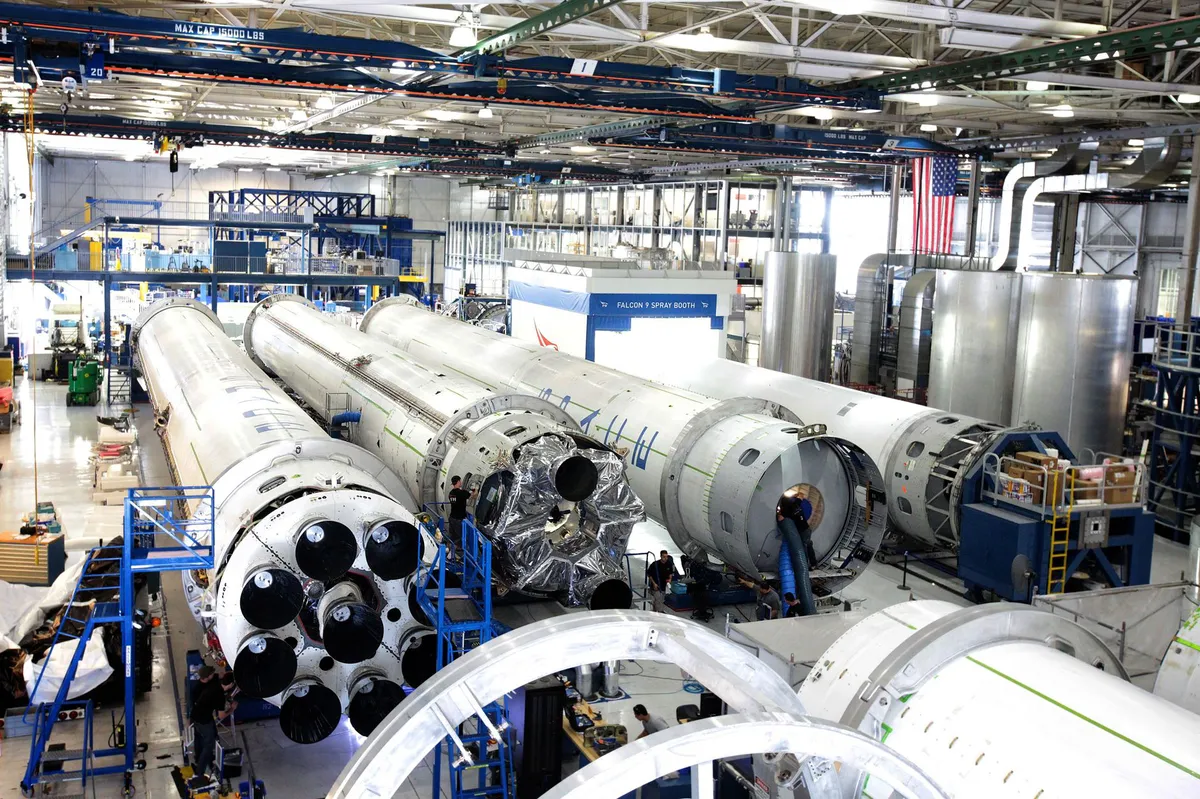
Under the newly signed agreement, Rocket Lab is set to conduct a total of 12 suborbital launches specifically dedicated to missile defense research and testing. These missions will be vital for evaluating new technologies and tactics in a rapidly evolving defense landscape. The deal also includes options for up to six additional missions, highlighting the potential for further growth.
Launch Operations and Timeline
The launch operations will primarily take place from the Pacific Spaceport Complex in Kodiak, Alaska, with the first mission planned for late 2026. The contract is structured to run through the end of 2028, ensuring a multi-year commitment from the USSF. This not only provides Rocket Lab with a predictable revenue stream but also reinforces its role as a trusted national security partner.
The Importance of the USSF Agreement for Rocket Lab
For investors, the implications of this agreement are profound. The influx of $266 million establishes a high-margin revenue stream that is expected to significantly enhance Rocket Lab's financial stability. This is particularly crucial given the company's recent struggles in the commercial satellite sector, where competition has intensified and profit margins have been squeezed.
The USSF deal allows Rocket Lab to reduce its reliance on the commercial satellite market, which can be volatile and unpredictable. By securing a long-term contract with the government, Rocket Lab can focus on expanding its capabilities and enhancing its technology offerings, especially as it gears up for the maiden flight of its medium-lift Neutron rocket.
Capital Expenditures and Future Growth
Management may leverage the steady cash flow generated from the USSF agreement to support capital expenditures aimed at scaling operations. This could include investments in technology, infrastructure, and talent, all of which are critical for maintaining competitive advantages in the aerospace sector.

Market Reaction and Analyst Outlook
The market response to the USSF contract has been largely positive, with Rocket Lab’s stock seeing a rally in early trading following the announcement. Analysts remain optimistic about the company's future, despite the recent downturn. The consensus rating for RKLB stock is currently categorized as a "Strong Buy," with a mean price target of approximately $113. This suggests a potential upside of nearly 80% from its current trading levels.
Investors are encouraged by the potential for Rocket Lab to disrupt traditional aerospace contractors, particularly in the defense sector. The company’s ability to execute efficiently and cost-effectively is a testament to its growing capabilities and strategic positioning.
Key Takeaways for Investors
- Significant Contract: Rocket Lab has secured a $266 million contract with the USSF for missile defense testing.
- Long-term Commitment: The agreement includes 12 suborbital launches with the possibility for six additional missions.
- Positive Market Outlook: Analysts have a bullish stance on RKLB stock, with a consensus rating of "Strong Buy" and a price target suggesting an 80% upside.
- Strategic Positioning: The deal reduces reliance on the commercial satellite sector and enhances Rocket Lab's role in national security.
Frequently Asked Questions
What does the contract with the USSF entail?
The contract mandates Rocket Lab to conduct 12 suborbital launches focused on missile defense research, with an option for six additional missions. This multi-year engagement aims to support the U.S. government's defense capabilities and is expected to run through 2028.
How will this contract impact Rocket Lab's financials?
The agreement is expected to provide a steady and predictable revenue stream, enhancing Rocket Lab’s financial stability. With the influx of $266 million, the company can invest in technology and infrastructure, which is critical as it prepares for future launches, including its medium-lift Neutron rocket.
What is the current market sentiment regarding RKLB stock?
Despite recent fluctuations and a significant decline in its stock price, the general market sentiment remains bullish. Analysts maintain a consensus rating of "Strong Buy," with a projected price target that indicates substantial upside potential for investors.
What are the potential risks associated with investing in Rocket Lab?
Investors should consider risks such as dependency on government contracts, competition in the aerospace sector, and potential delays in execution of projects. Additionally, fluctuations in the commercial satellite market can impact overall revenue, making it essential for investors to stay informed about market trends and Rocket Lab’s strategic initiatives.
Disclaimer: The content is educational, not financial advice.
Comments
Why Albertsons Stock is Plummeting: Analyzing Consumer Trends and Market Forces
Albertsons Companies is grappling with a significant drop in stock value after revising its fiscal outlook downward. This article delves into the factors behind this decline, including changing consumer behaviors and market dynamics.

Related articles




Popular in Investing
- Navigating the Dismal Landscape of 2026's Worst-Performing ETFs
- Stablecoin Market Faces $10 Billion Decline — What It Means for Investors
- Avantus Secures $525 Million for Major California Solar Project
- Navigating the Pet Stocks Market: Opportunities Amidst Challenges
- Market Turmoil: How Geopolitical Tensions and Earnings Reports Impact Stocks