Irish Ferries' Management Takes Company Private: What It Means for Investors
Irish Ferries is set to exit the public markets as its management proposes a buyout. This move raises questions about the implications for shareholders and the future of the ferry industry.
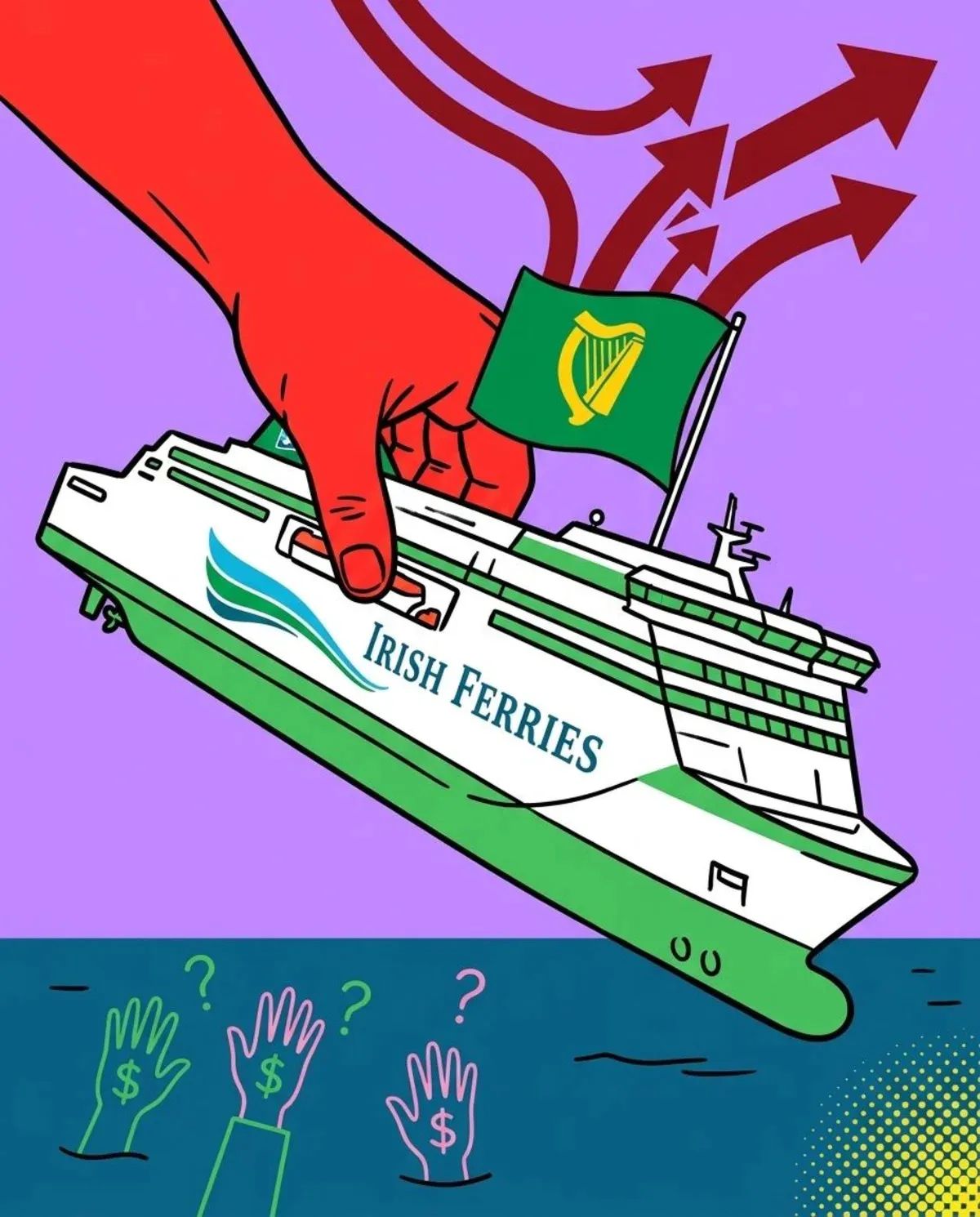
In a significant shift for both Irish Ferries and the broader market, the management team of the Irish Continental Group (ICG), which operates Irish Ferries, has announced plans to take the company private. The decision comes amid increasing challenges associated with maintaining a public listing, particularly in an industry characterized by fluctuating fuel prices, seasonal demand, and economic volatility. This move is not just a strategic business decision; it reflects a growing sentiment among public companies that managing shareholder expectations can hinder long-term growth.
Under the proposed deal, ICG has agreed to a cash offer from Bluefin Bidco, a consortium led by its CEO Eamonn Rothwell and senior management. Valued at approximately €1.2 billion, the buyout offers shareholders €8 per share, representing a notable premium over the company's recent trading values. As the deal is poised for completion in the fourth quarter of 2026, it raises several important questions for investors and industry observers.

The Mechanics of the Buyout
The mechanics of the buyout are straightforward yet significant. Bluefin Bidco, the entity formed for this transaction, already controls about 23.7% of ICG, which gives it a solid foundation for moving forward. The board's unanimous recommendation of the offer indicates a strong belief in its merits, emphasizing the cash certainty it provides to shareholders. The independent board's language, which labels the offer as 'compelling,' highlights the urgency for shareholders to accept the offer, especially given the volatile nature of the ferry business.
Financial Implications for Shareholders
From a financial perspective, the buyout offers a clear exit strategy for shareholders. The €8 per share offer represents a 28.2% premium over the last closing price and a 34.8% increase compared to the 12-month volume-weighted average price. This premium is designed not only to entice shareholders but also to provide a solid rationale for accepting the offer amidst potential future market uncertainties.
Shareholders face a crucial decision: accept the buyout or hold out for potential future gains. The offer implies a valuation of approximately 17.9 times the adjusted earnings for 2025, which is neither a bargain nor an excessive premium. Investors must weigh the certainty of cash now against the possibility of a re-rating in the public market, a gamble that could either pay off or leave them exposed to the inherent risks of the ferry industry.

The Challenges of Operating in Public Markets
The decision to go private stems from a broader trend among companies that find the public markets increasingly challenging. ICG is not facing an existential crisis; it operates a well-regarded ferry service with a solid brand and established routes. However, the operational landscape is rife with challenges:
- Fuel Price Volatility: Fuel costs can significantly impact operating margins, making it difficult to maintain profitability.
- Seasonal Demand: Passenger demand fluctuates with seasons, affecting revenue predictability.
- Economic Sensitivity: The freight business is sensitive to broader economic cycles, complicating long-term planning.
Rothwell's argument for taking ICG private centers on the belief that the company can better focus on long-term strategic goals without the constant pressure of quarterly earnings reports. The ferry industry is capital-intensive, requiring significant investment in infrastructure, fleet maintenance, and regulatory compliance.

Historical Context and Future Outlook
This is not the first time ICG has attempted to navigate such waters. Rothwell previously sought to take the company private during the 2008-2009 financial crisis, a plan that ultimately fell through. However, the current financial landscape is markedly different, with favorable balance sheet conditions and support from institutional investors. The financing for the deal is substantial, involving preferred equity from Global Infrastructure Management and senior debt arranged by BNP Paribas and Banco Santander.
As the deal progresses towards completion, the market will be closely watching how ICG's shares perform relative to the €8 offer. If the share price remains stable or increases, it may indicate investor confidence in a successful closure of the deal. Conversely, if shares trade below the offer price, it may suggest uncertainty regarding the buyout's completion.
Implications for the Irish Market
The decision to take ICG private carries implications beyond the company itself. For the Irish stock exchange, losing a well-known entity like ICG further reduces the diversity of listed companies. This trend can lead to decreased liquidity, reduced analyst coverage, and diminished investor interest. As more established companies opt to go private, the remaining public entities may find it increasingly challenging to attract investment.
Moreover, the exit of ICG from the public market could set a precedent for other companies facing similar challenges. As businesses evaluate the costs and benefits of public ownership, a trend toward privatization may emerge, reshaping the landscape of the Irish financial markets.

Key Takeaways
- ICG's management has proposed a buyout to take the company private, valuing it at approximately €1.2 billion.
- The cash offer of €8 per share represents a substantial premium for shareholders.
- Going private may provide ICG with the freedom to focus on long-term strategic goals without the pressures of public market scrutiny.
- The transaction must receive shareholder approval and regulatory clearance before completion.
- The exit of ICG from the public market may impact the overall liquidity and attractiveness of the Irish exchange.
Frequently Asked Questions
What prompted ICG to go private?
The decision to take ICG private stems from the challenges of operating in the public markets, particularly in a volatile industry like ferry services. Management believes that moving away from quarterly earnings reporting will allow for better long-term strategic planning and investment in the company’s infrastructure and fleet.
How does the buyout affect shareholders?
Shareholders are presented with an immediate cash offer of €8 per share, which provides a guaranteed exit at a premium over recent trading prices. This offer allows shareholders to avoid potential future volatility while still capturing some profit from their investment.
What are the potential risks of this buyout?
The main risks associated with the buyout include the need for shareholder approval and regulatory clearance. If these hurdles are not cleared, the deal could fall apart, leaving shareholders with uncertainty about their investment. Additionally, the debt incurred to finance the buyout may burden the private company in the future.
How will this affect the ferry industry in Ireland?
The exit of ICG from the public market could create a ripple effect in the ferry industry, potentially leading to reduced investor interest in other publicly listed companies within the sector. This could diminish competition and innovation, as fewer companies are available for public investment, ultimately impacting service quality and pricing for consumers.
*This content is educational, not financial advice.*
Comments
Why Albertsons Stock is Plummeting: Analyzing Consumer Trends and Market Forces
Albertsons Companies is grappling with a significant drop in stock value after revising its fiscal outlook downward. This article delves into the factors behind this decline, including changing consumer behaviors and market dynamics.

Related articles


Popular in Investing
- Navigating the Dismal Landscape of 2026's Worst-Performing ETFs
- Stablecoin Market Faces $10 Billion Decline — What It Means for Investors
- Avantus Secures $525 Million for Major California Solar Project
- Navigating the Pet Stocks Market: Opportunities Amidst Challenges
- Market Turmoil: How Geopolitical Tensions and Earnings Reports Impact Stocks