STMicroelectronics: Navigating Challenges and Opportunities After Q3 Guidance Miss
STMicroelectronics faces a significant stock downturn following a Q3 revenue guidance miss, but underlying fundamentals suggest potential for long-term investors. This article delves into the company's recent performance and growth prospects in the semiconductor sector.

In the fast-paced world of technology and finance, a single earnings report can send shockwaves through the market. Recently, European semiconductor giant STMicroelectronics (STM) found itself at the center of such turbulence. After announcing Q2 results that included a revenue guidance miss for Q3, the company's stock plummeted by over 20% within just two trading sessions. This dramatic fall raises important questions for investors: Is it time to sell, or does this downturn present a buying opportunity for those willing to take a longer view?
Founded in 1987 from the merger of two semiconductor companies, STMicroelectronics has grown to become Europe's largest integrated chip manufacturer. With a market cap of approximately $46.3 billion, it serves a diverse range of industries including automotive, industrial automation, and, increasingly, artificial intelligence (AI) and cloud infrastructure. Despite the recent stock sell-off, an examination of STM's underlying business fundamentals reveals that it may still hold significant promise for patient, long-term investors.
Understanding the Q2 Performance
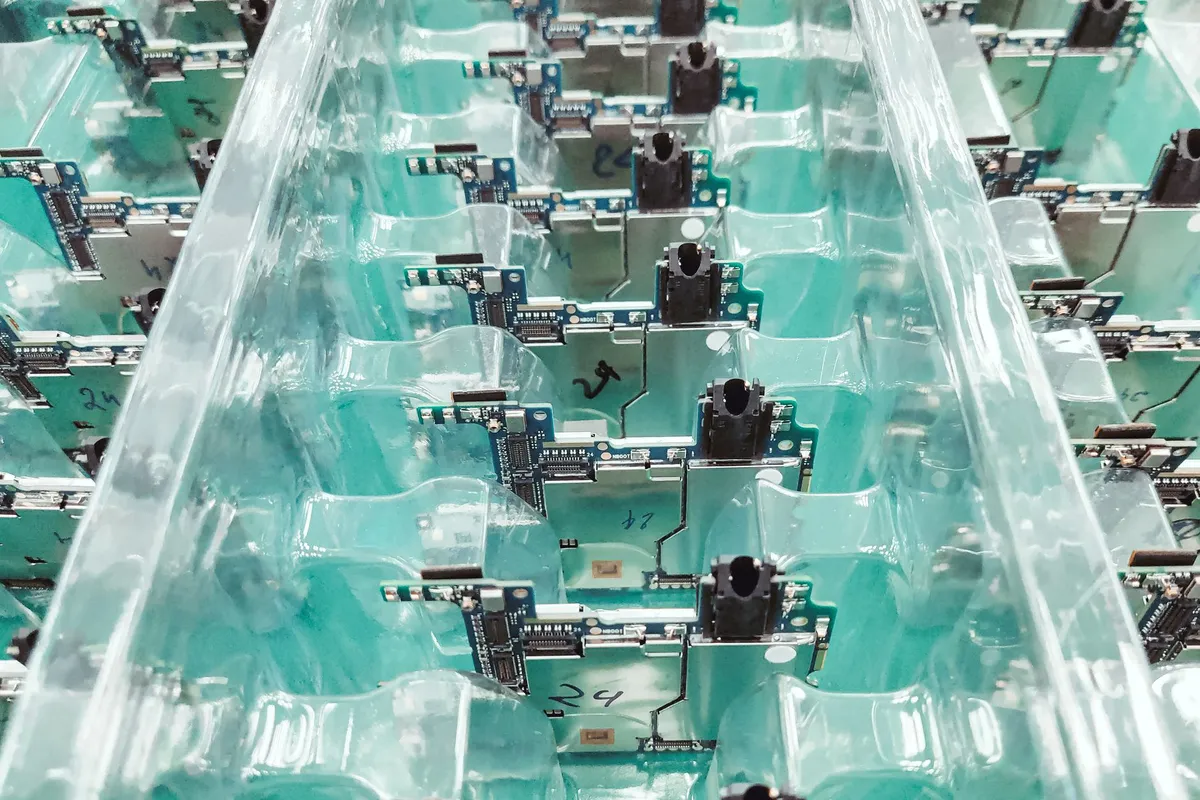
Before diving into the implications of the Q3 revenue guidance miss, it's critical to take stock of STM's recent performance metrics. In Q2 2026, the company reported net revenues of $3.49 billion, marking a remarkable 26% increase from the same quarter a year prior. This growth was accompanied by an improvement in gross margins, rising to 34.8% from 33.5% year-over-year. Notably, the company's MEMS (Micro-Electro-Mechanical Systems) segment, which accounts for about 36% of total revenues, also saw significant gains, growing 26% to $1.43 billion. The microcontrollers segment outperformed with an impressive growth rate of 34.5%, reaching $1.59 billion.
Perhaps most striking was STM's earnings, which soared to $0.31 per share—an increase of 4.2 times over the previous year and exceeding analyst expectations of $0.27. Cash flow from operations also demonstrated strength, climbing to $502 million from $354 million the year prior. Furthermore, the company ended the quarter with a solid cash position of $3.1 billion against short-term debt of $1.06 billion, transitioning to a positive free cash flow of $75 million compared to a negative outflow of $152 million in the same period last year. These robust figures suggest that while guidance may have disappointed, the underlying business remains strong.
The Significance of Guidance Misses
In the current investment climate, guidance misses can have outsized effects on stock prices. Investors often view such misses as indicators of underlying issues within a company. In STM's case, the guidance for Q3 revenues fell short of expectations by a mere $100 million—$3.7 billion instead of the anticipated $3.8 billion. However, in a market characterized by volatility and uncertainty, even minor discrepancies can trigger significant sell-offs.
This reaction can be especially pronounced in the semiconductor sector, where companies are frequently under intense scrutiny. The industry is grappling with supply chain challenges, geopolitical tensions, and competition from other global players. Consequently, investors must weigh these external factors alongside the company’s internal performance metrics when considering STM's value proposition.
STM's Strategic Positioning and Future Prospects
Despite the recent turmoil, STM is strategically positioned for long-term growth. The company's focus on high-demand sectors such as AI infrastructure and data centers aligns with broader market trends. As businesses increasingly invest in digital transformation, the demand for advanced semiconductor solutions is expected to rise. STM has demonstrated its capabilities in this arena, securing partnerships with major players like Amazon Web Services (AWS) and SpaceX, which signal confidence in its technological prowess and market relevance.
Moreover, STM's emphasis on vertical integration—designing and manufacturing its own chips—sets it apart from competitors that rely on third-party foundries. This integrated approach allows STM to offer customers greater predictability in supply and delivery timelines, especially in a tight supply environment. Additionally, the company's pioneering work in MEMS technology enables it to produce compact, efficient components that are essential in various consumer and industrial applications.
- Key Strengths of STMicroelectronics:
- Leading position in the automotive semiconductor market
- Diverse customer base spanning multiple industries
- Strong growth in MEMS and microcontroller segments
- Vertical integration that enhances supply chain resilience
- Solid cash position with positive free cash flow

Investor Sentiment and Analyst Ratings
The sentiment surrounding STM stock remains largely positive, despite the recent guidance miss. Analysts have largely maintained a bullish outlook, with a consensus rating of “Strong Buy” among a majority of the 18 analysts covering the stock. The mean price target is set at $79.07, representing an upside potential of approximately 52% from current levels. Of the analysts, 13 have assigned a “Strong Buy” rating while five have opted for a “Hold.” This consensus reflects confidence in STM's long-term growth trajectory, suggesting that the recent sell-off may represent a compelling entry point for new investors.
However, potential investors should approach STM with caution. The semiconductor industry is inherently cyclical, and while STM has shown resilience in its financials, external factors such as global demand fluctuations and supply chain disruptions could impact future performance. It is essential for investors to conduct thorough due diligence and consider their risk tolerance before making investment decisions.

Key Takeaways
- STMicroelectronics reported strong Q2 results, with significant year-over-year growth.
- The recent Q3 revenue guidance miss led to a sharp stock decline, but underlying fundamentals remain solid.
- STM is strategically positioned in high-growth sectors like AI and automotive semiconductors.
- Analysts maintain a “Strong Buy” consensus, indicating confidence in the stock’s recovery.
- Investors should weigh potential risks against the opportunity for long-term gains.
Frequently Asked Questions
What caused the recent decline in STMicroelectronics' stock price?
The decline in STMicroelectronics' stock price was primarily triggered by a miss in the revenue guidance for Q3, where the company projected revenues of $3.7 billion, falling short of the expected $3.8 billion. In the current market climate, even minor guidance misses can lead to significant stock sell-offs, reflecting heightened investor sensitivity and concerns about future performance.
Is STMicroelectronics a good long-term investment?
STMicroelectronics has shown robust financial performance, with strong revenue growth and a solid cash position. Its strategic positioning in the high-demand semiconductor market, particularly in sectors like AI and automotive, suggests potential for long-term growth. However, as with any investment, it is essential for investors to consider their risk tolerance and conduct thorough research before making decisions.
How does STM's vertical integration benefit its business model?
STM's vertical integration allows it to design and manufacture its own chips, providing greater control over the production process. This capability leads to enhanced supply chain resilience and the ability to promise customers predictable delivery times, particularly important in a market experiencing tight supply conditions. Additionally, vertical integration can result in cost efficiencies and improved product quality.
What are the risks associated with investing in STM stock?
Investing in STM stock carries inherent risks, particularly due to the cyclical nature of the semiconductor industry. External factors such as global economic conditions, supply chain disruptions, and competition can impact STM's performance. Investors should also be aware of potential volatility in stock prices following earnings reports and guidance announcements, which can result in sharp reactions in the market.
Disclaimer: This content is for educational purposes only and should not be considered financial advice.
Comments
Why Albertsons Stock is Plummeting: Analyzing Consumer Trends and Market Forces
Albertsons Companies is grappling with a significant drop in stock value after revising its fiscal outlook downward. This article delves into the factors behind this decline, including changing consumer behaviors and market dynamics.

Related articles




Popular in Investing
- Navigating the Dismal Landscape of 2026's Worst-Performing ETFs
- Stablecoin Market Faces $10 Billion Decline — What It Means for Investors
- Avantus Secures $525 Million for Major California Solar Project
- Navigating the Pet Stocks Market: Opportunities Amidst Challenges
- Market Turmoil: How Geopolitical Tensions and Earnings Reports Impact Stocks