The Talent Exodus in Base Metals Trading: Insights and Implications
As the demand for base metals surges, traders are shifting jobs in search of new opportunities. This article explores the current landscape of base metals trading, shedding light on the reasons behind this talent migration and its wider implications.
The base metals market is undergoing a seismic shift as senior traders are increasingly being lured away from their positions. With a surge in demand driven by supply-chain disruptions and a booming investment in metals-intensive sectors, the competition for skilled professionals in this arena is reaching unprecedented levels. Reports indicate that hedge funds and trading houses are aggressively expanding their commodities teams, creating a dynamic environment where experienced traders in aluminium and copper are particularly sought after.
Recent events such as disruptions to aluminium shipments through the Strait of Hormuz, coupled with uncertainties surrounding import tariffs on copper, have elevated the need for seasoned traders who can navigate these complexities. The rise in copper consumption, fueled by investments in data centers and electric vehicles, further amplifies the urgency for skilled talent in the market. As the landscape evolves, organizations are recognizing the critical need to secure the right human capital to capitalize on the impending paradigm shift in the value of hard assets.
Understanding the Current Talent Landscape
The competition for base metals traders has become particularly fierce. As banks and trading houses experience significant turnover, they are actively seeking to expand their teams with experienced professionals. The departure of key figures from major institutions underscores the shifting dynamics within the industry.
High-Profile Departures
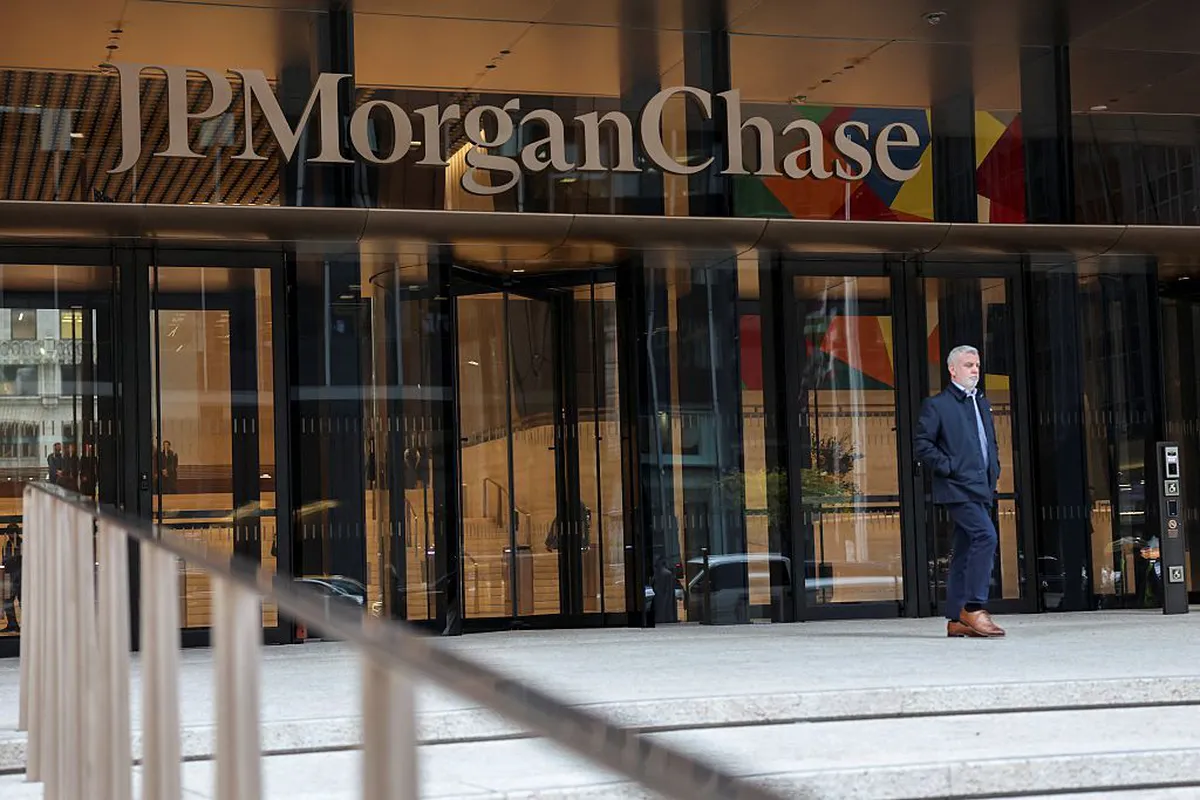
Several notable figures have recently left their positions, indicating a trend that could reshape the sector. For instance, Ben Green, who headed the base metals division at Bank of America, has exited after over three years in the role. Similarly, Benjamin Vicas, who led JPMorgan's base metals and ferrous trading desk for more than two decades, has also departed. Andrew Ferguson, an executive director at Morgan Stanley and former head of base metals trading at Bank of America, rounds out this trio of high-profile exits. These departures have raised questions about the future direction of their respective firms and the potential for these traders to land in competing firms.
The Driving Forces Behind Talent Migration
Several factors are contributing to the current wave of talent migration in the base metals trading sector. Understanding these drivers is essential for stakeholders looking to navigate this rapidly changing landscape.
- Supply Chain Disruptions: Ongoing disruptions, particularly in aluminium shipments, have created a volatile trading environment that necessitates experienced traders.
- Rising Demand: With increased investment in data centers and the electric vehicle market, demand for base metals, especially copper, is projected to rise significantly.
- Market Uncertainty: Fluctuations in government policies regarding tariffs and trade can create uncertainty, further driving the need for skilled professionals who can adapt to changing circumstances.
- Organizational Shifts: Companies are recognizing the need to adapt to a 'paradigm change' in hard asset valuations, prompting them to seek out top talent to ensure they remain competitive.

The Implications of Talent Exodus
The current talent migration within the base metals trading market has significant implications for both firms and the wider market. As experienced traders leave their positions, firms are left to fill critical roles that require specialized knowledge and expertise. This can lead to gaps in trading strategies and operational efficiencies, affecting overall market performance.
Impact on Companies
For companies losing key personnel, the immediate challenge is to find suitable replacements who can quickly adapt to the demands of the role. Organizations that fail to do so may find themselves at a competitive disadvantage as the market evolves. This is particularly true in a volatile environment where quick decision-making is crucial.
Impact on the Market
The broader market may also feel the effects of this talent exodus. A shortage of experienced traders can lead to increased volatility in base metal prices, as fewer skilled professionals may mean less effective trading strategies. Additionally, as firms scramble to recruit top talent, compensation packages for traders are likely to rise, potentially increasing operational costs for trading houses and banks.
Future Outlook for Base Metals Trading
As the landscape of base metals trading continues to evolve, stakeholders must remain vigilant in monitoring trends and changes within the market. The current talent migration presents both challenges and opportunities, and firms that can adapt quickly will likely position themselves for success.
Strategies for Firms
To navigate this shifting terrain, firms should consider several strategies:
- Investing in Talent Development: To mitigate turnover, organizations should invest in training and development programs to nurture existing talent.
- Enhancing Recruitment Efforts: Firms should focus on attracting top-tier talent through competitive compensation and benefits packages.
- Building a Strong Culture: Creating a supportive work environment can help to retain existing employees and attract new ones.
Key Takeaways
- The base metals trading market is experiencing significant turnover as demand for skilled traders rises.
- High-profile departures from major banks signal a potential shift in the market landscape.
- Supply chain disruptions and rising demand for metals are key factors driving talent migration.
- Firms must adapt quickly to the changing environment to remain competitive.
Frequently Asked Questions
Why are senior traders leaving their positions in base metals trading?
Senior traders are leaving their positions primarily due to the increasing demand for their expertise amid supply-chain disruptions and rising investment in metals-intensive sectors. As firms expand their commodities teams, they are actively seeking experienced professionals who can help navigate the complexities of the current market. This has led to a talent migration as traders explore new opportunities.
What impact does talent migration have on the base metals market?
The migration of talent within the base metals trading sector can lead to increased volatility in prices, as fewer experienced traders may affect trading strategies and operational efficiencies. Companies may face challenges in filling critical roles, which could impact their competitiveness in the market. Additionally, the surge in demand for skilled professionals may drive up compensation costs for trading houses and banks.
How can firms respond to the current talent landscape?
Firms can respond to the current talent landscape by investing in talent development programs to nurture existing employees, enhancing recruitment efforts to attract top-tier talent, and building a strong company culture to retain staff. By taking proactive measures, organizations can better position themselves to adapt to the changing dynamics of the base metals market.
What does the future hold for base metals trading?
The future of base metals trading is likely to be shaped by ongoing supply chain challenges, rising demand for metals, and the need for skilled traders. As the market continues to evolve, firms that can adapt quickly and effectively will likely thrive. However, organizations must be prepared to navigate potential disruptions and fluctuations in the market caused by changes in supply and demand dynamics.
Disclaimer: The content is educational, not financial advice.
Comments
Unlocking the Potential of Dividend Stocks in Your Investment Portfolio
Discover the essential role of dividend stocks in boosting investment returns and providing income, particularly for retirees. Test your knowledge and learn key strategies.

Related articles





Popular in Investing
- Navigating the Dismal Landscape of 2026's Worst-Performing ETFs
- Stablecoin Market Faces $10 Billion Decline — What It Means for Investors
- Avantus Secures $525 Million for Major California Solar Project
- Navigating the Pet Stocks Market: Opportunities Amidst Challenges
- Market Turmoil: How Geopolitical Tensions and Earnings Reports Impact Stocks