Tesla's Earnings Miss: What It Means for Investors and the Future
Tesla's latest earnings report reveals challenges amid growth, but CEO Elon Musk remains optimistic about the company's potential. Here's what investors need to know.
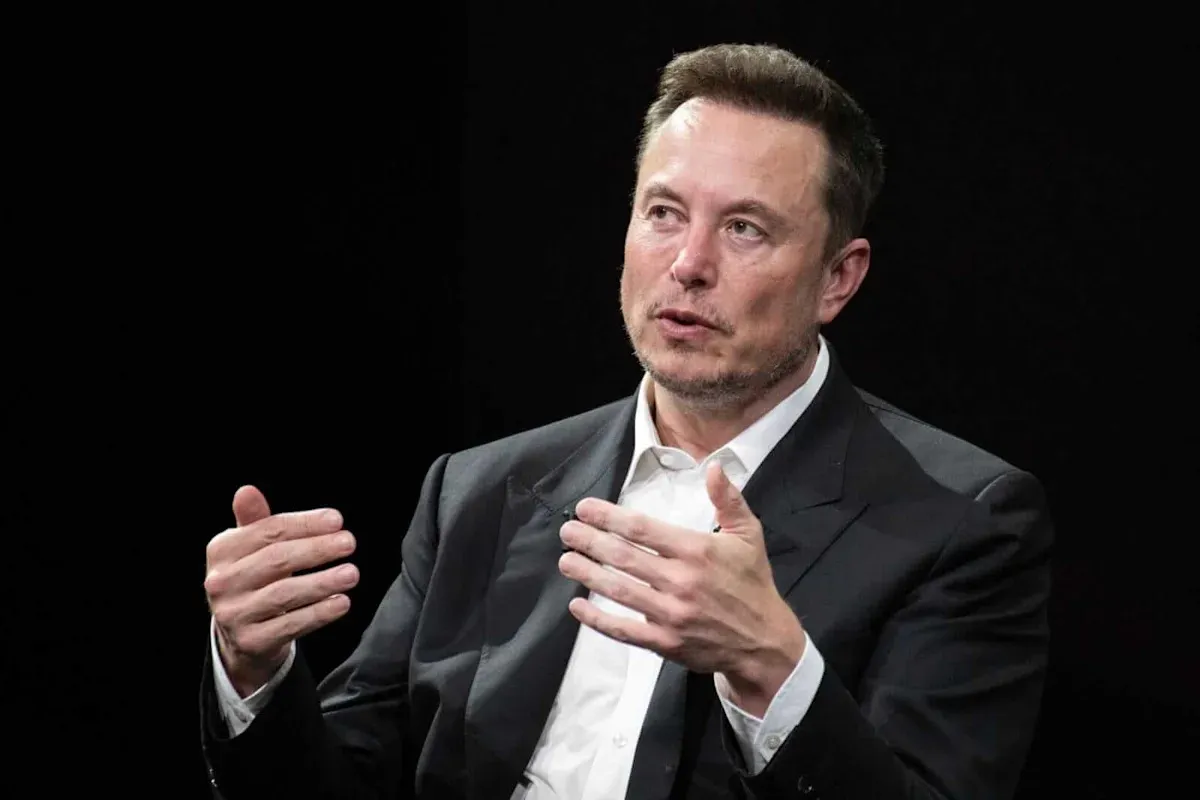
In a world where electric vehicles (EVs) are increasingly becoming the norm, Tesla Inc. (TSLA) stands at the forefront, spearheaded by its visionary CEO, Elon Musk. However, recent earnings reports indicate that despite a record number of vehicle deliveries, the company has encountered significant challenges that have left investors pondering the sustainability of its growth trajectory. In the second quarter of 2026, Tesla missed earnings expectations by a staggering 38%, igniting discussions about the implications for current and future investors. What does this mean for Tesla's market position, and how should investors interpret these developments?
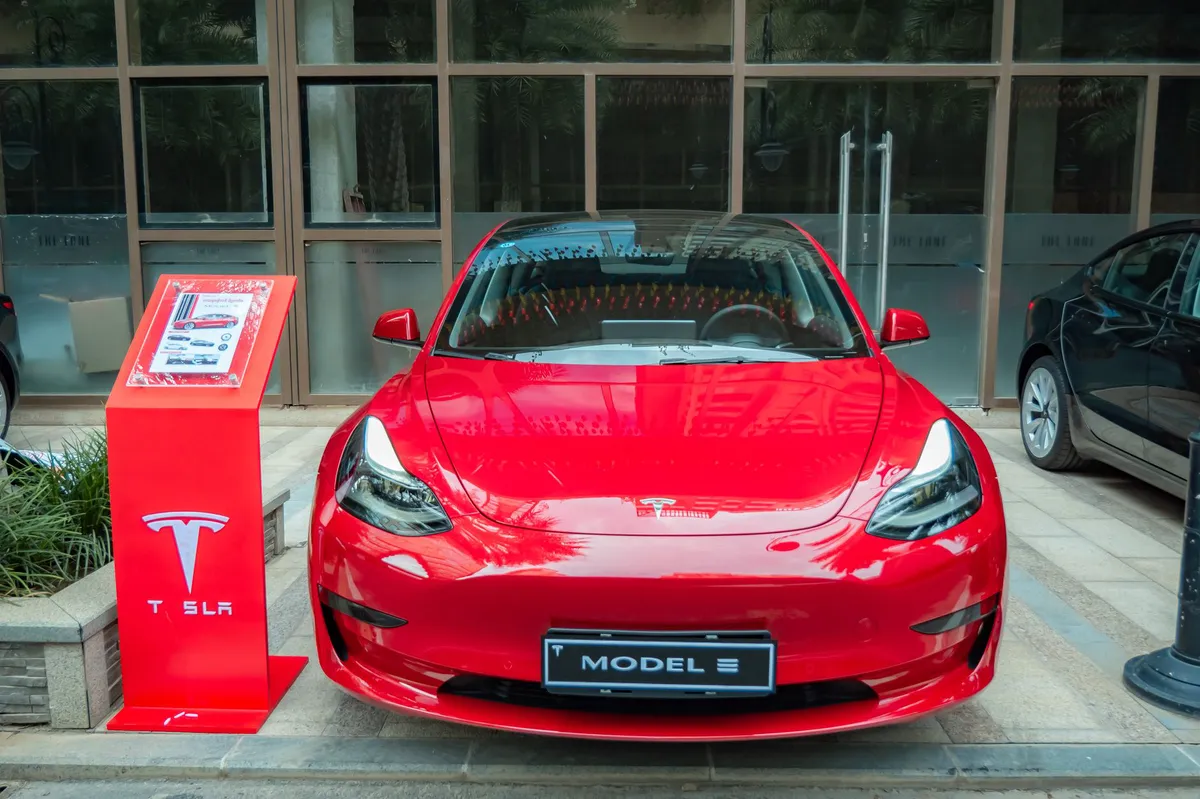
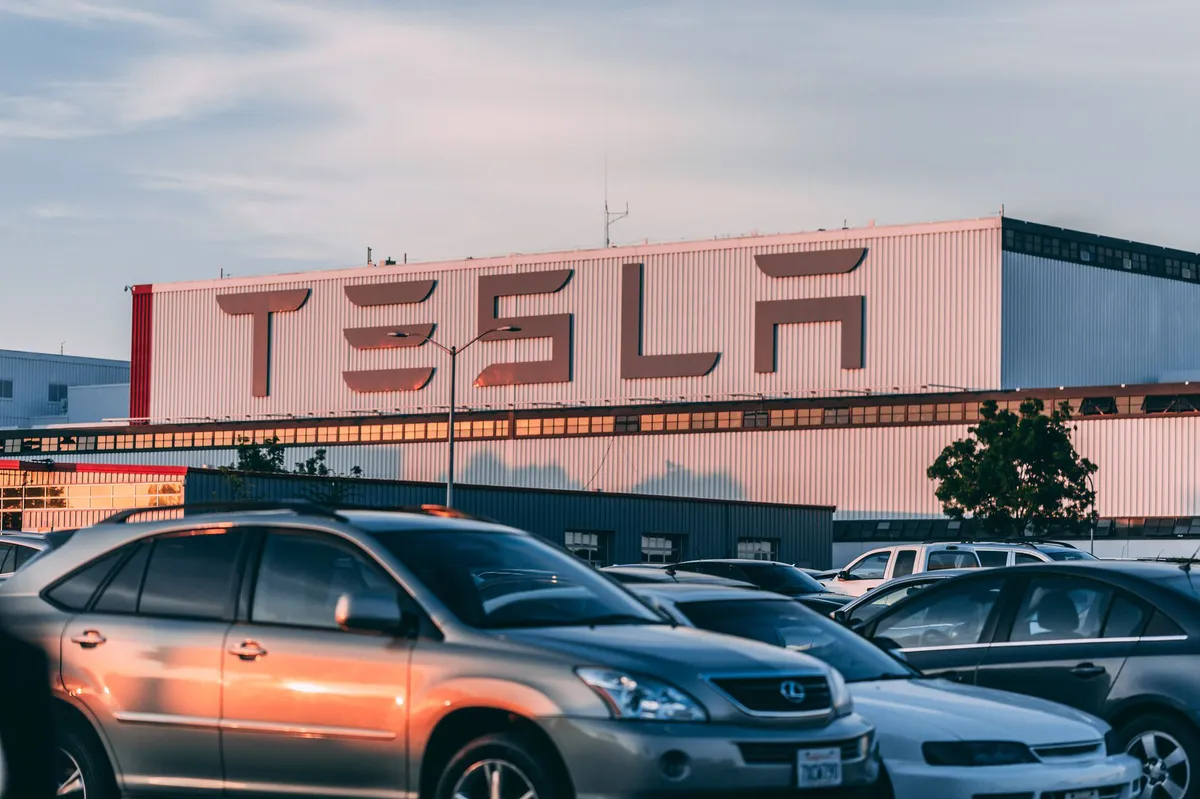
Founded in 2003 and headquartered in Austin, Texas, Tesla has transformed from a niche player in the automotive market to a dominant force in EVs and clean energy solutions. This transformation has been buoyed by its innovative product line, which includes not only electric vehicles but also energy storage solutions and solar products. As the company pivots towards a more integrated model involving autonomous technology, the stakes for investors have never been higher.
Understanding Tesla's Financial Landscape
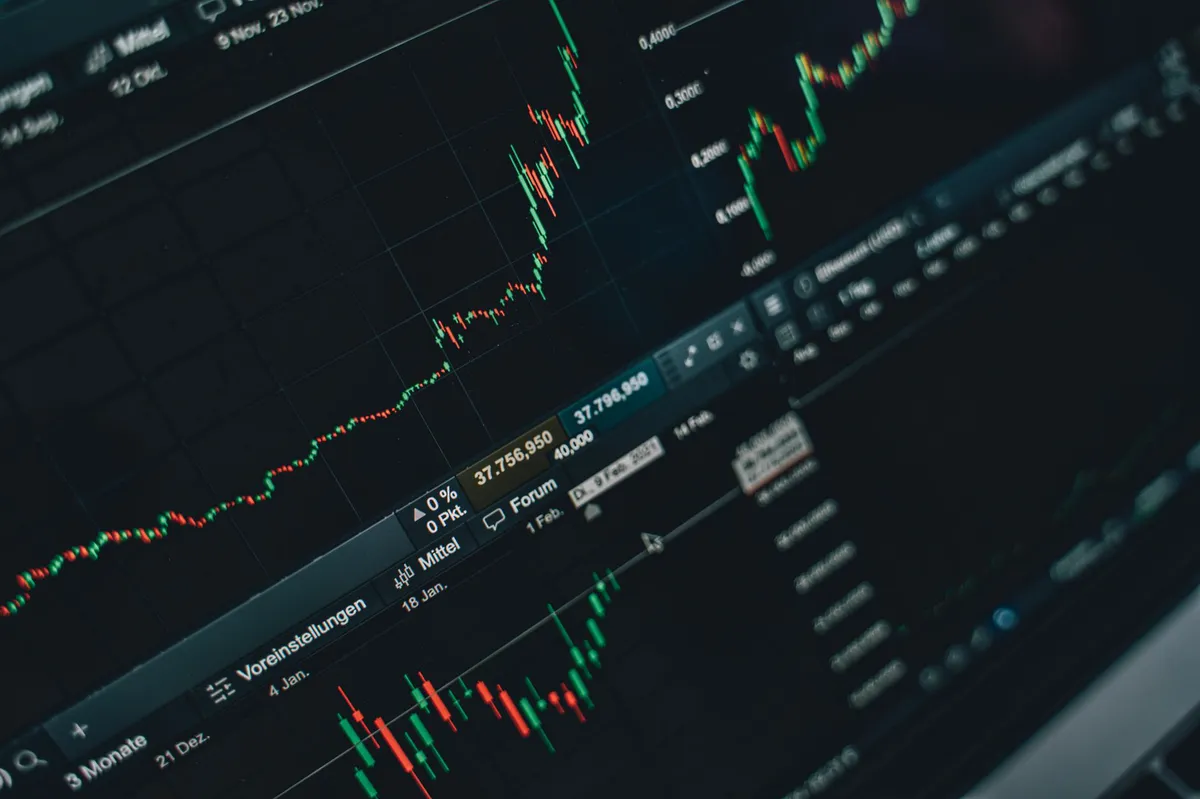
Despite a notable 26% year-over-year increase in revenue, Tesla's latest quarterly report highlights several financial hurdles that are causing concern among investors. The company posted $28.24 billion in revenue for Q2 2026, surpassing analyst expectations of $25.7 billion. However, the non-GAAP earnings per share (EPS) of $0.33 fell dramatically short of the expected $0.53. This discrepancy resulted in a sharp decline in TSLA’s stock price, which fell more than 14% in a single trading session.
In addition to the earnings miss, Tesla's operating income plummeted by 57% year-over-year to just $398 million, with operating margins narrowing to 1.4% from 4.1%. This decline can be attributed to a steep increase in operating expenses, which shot up 47% to $4.35 billion, as the company ramped up investments in artificial intelligence, robotics, and its autonomous driving initiatives.
Record Deliveries Amid Challenges
One bright spot in Tesla's latest performance was the record number of vehicle deliveries, which reached 480,126 units in Q2, a 25% increase from the previous year. This figure exceeded analysts' expectations of approximately 406,600 units. Additionally, the company's Full Self-Driving (FSD) subscriptions surged by 56% year-over-year, reaching 1.48 million active subscriptions.
While these metrics paint a promising picture of demand, they are overshadowed by the company’s financial struggles. The free cash flow turned negative at -$1.1 billion, and capital expenditures skyrocketed by 142% year-over-year to $5.8 billion. Investors are left to wonder whether the growth in deliveries can be sustained in light of these financial headwinds.
Future Prospects: Musk's Vision
Despite the recent setbacks, CEO Elon Musk remains optimistic about Tesla's future. During the earnings call, Musk characterized 2026 as a “massive” year for capital expenditures, predicting “incredible” returns from the company’s heavy investments. He emphasized the company's commitment to expanding its Robotaxi service and confirmed that production of the Cybercab, a fully autonomous vehicle devoid of a steering wheel or pedals, has commenced.
Musk's vision extends beyond vehicles; he introduced the Tesla Megapods, designed to enhance AI computing capabilities at Supercharger locations, and hinted at upcoming announcements regarding new manufacturing sites. However, he did caution that the ramp-up for these initiatives will be gradual, reflecting the complexities of building a new supply chain.
Investor Sentiment: A Divided Outlook
Investor sentiment around TSLA is decidedly mixed. Wall Street analysts have provided a range of recommendations for the stock, which carries a consensus “Moderate Buy” rating. Among 43 analysts, 16 have rated it as a “Strong Buy,” while 20 maintain a “Hold” rating, and five have issued a “Strong Sell.” This polarized outlook reflects the uncertainty surrounding Tesla's ability to navigate its current challenges.
Moreover, the mean price target for TSLA is set at $409.03, suggesting a potential upside of 31% from its current trading price of approximately $313. Investors who are willing to look beyond the immediate financial difficulties may find value in the long-term prospects associated with Tesla's ambitious projects, including Optimus and Cybercab.
Key Takeaways
- Tesla reported a 38% earnings miss in Q2 2026, raising concerns among investors.
- Despite a record 480,126 vehicle deliveries, operating income fell by 57%.
- CEO Elon Musk remains optimistic, framing 2026 as a pivotal year for capital expenditures.
- Investor sentiment is mixed, with a consensus “Moderate Buy” rating from analysts.
- The mean price target suggests a potential 31% upside for TSLA stock.
Frequently Asked Questions
What were the main reasons for Tesla's earnings miss?
The primary factors contributing to Tesla's earnings miss include a significant decline in operating income, which fell by 57% year-over-year, and a negative free cash flow of -$1.1 billion. Additionally, operating expenses surged as the company increased its investments in artificial intelligence and robotics, impacting overall profitability.
How does Tesla's performance compare to industry benchmarks?
Tesla's performance has lagged behind the broader S&P 500 Consumer Discretionary Index in 2026, reflecting investor frustrations over execution timelines for key projects like the Cybertruck and Optimus. While the company achieved record vehicle deliveries, the challenges surrounding financial metrics indicate that it is not yet fully capitalizing on its market position.
What should investors consider before buying TSLA stock?
Investors should weigh the potential long-term benefits of Tesla's innovative projects against the immediate financial challenges reflected in the latest earnings report. Understanding the risks associated with negative cash flow and declining margins is crucial. Those with a strong conviction in Tesla’s technological advancements may find value, but patience will be key as the company navigates its growth strategy.
What is Musk's vision for Tesla's future?
Musk's vision for Tesla includes substantial investments in autonomous driving and robotics, with plans for a gradual rollout of the Cybercab service and continued expansion of the Robotaxi fleet. He also aims to enhance Tesla's AI capabilities with the introduction of new hardware and partnerships. However, he has cautioned that these initiatives will take time to realize their full potential, reflecting the complexities of developing new technologies.
Disclaimer: This content is for educational purposes only and should not be considered financial advice.
Comments
Applied Materials: The AI Wave and Future of Semiconductor Fabrication
As AI-driven technologies reshape the semiconductor landscape, Applied Materials stands out as a key player. Learn how market dynamics and technological advancements are influencing the company's trajectory and what it means for investors.
Related articles

Popular in Investing
- Navigating the Dismal Landscape of 2026's Worst-Performing ETFs
- Stablecoin Market Faces $10 Billion Decline — What It Means for Investors
- Avantus Secures $525 Million for Major California Solar Project
- Navigating the Pet Stocks Market: Opportunities Amidst Challenges
- Market Turmoil: How Geopolitical Tensions and Earnings Reports Impact Stocks