AMD's Rise: Harnessing AI to Transform Server CPU Markets
Advanced Micro Devices (AMD) has experienced a remarkable surge driven by AI advancements. This article delves into the factors fueling AMD's success, its market positioning, and what investors should know.
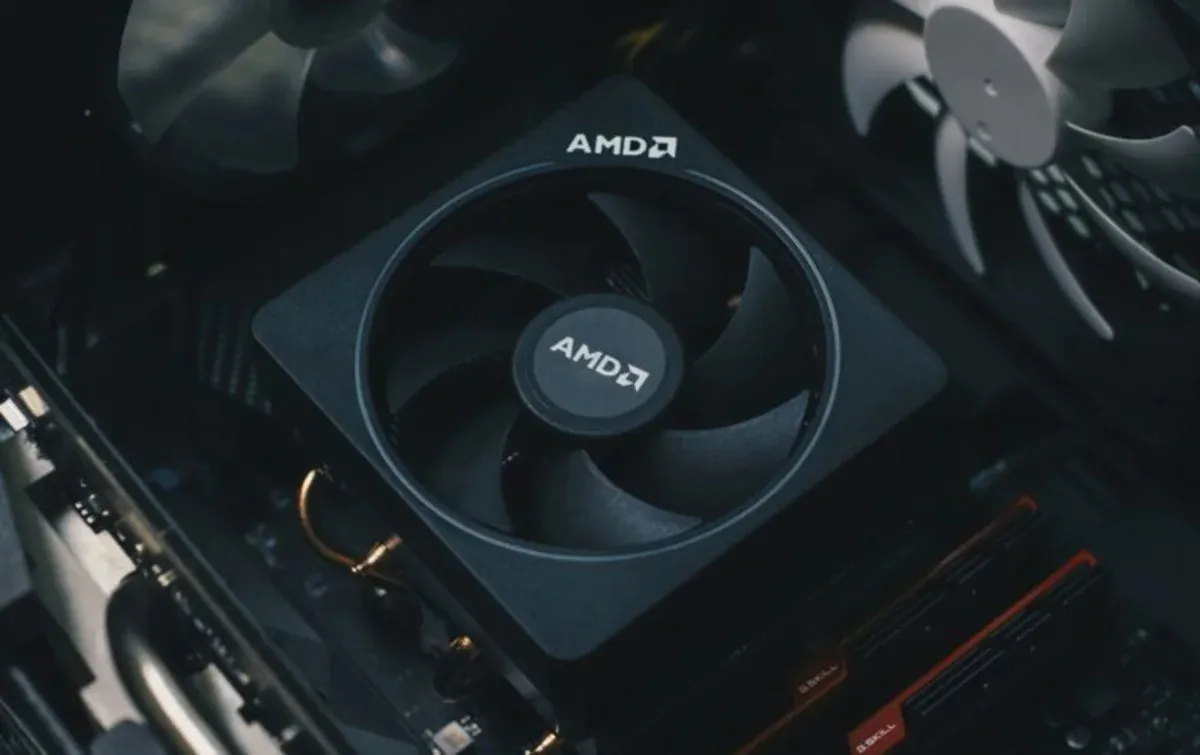
In the fast-evolving world of technology, few companies have captured the spotlight quite like Advanced Micro Devices, Inc. (NASDAQ: AMD). Known for its cutting-edge semiconductors, AMD's recent surge in stock price reflects broader economic trends driven by artificial intelligence (AI) and an increasing demand for server CPUs. As businesses pivot towards AI solutions, AMD stands poised at the forefront of this transformation, illustrating how technological innovation can reshape investment landscapes.
On July 27, 2026, AMD shares closed at an impressive $494.95, marking a staggering increase of 178.94% over the past year, despite a recent one-month decline of 14.80%. This volatility highlights not just the stock's potential for growth but also the inherent risks associated with investing in tech stocks, particularly those tied to emerging technologies like AI.

Factors Driving AMD's Recent Surge
AMD's stock performance has been buoyed by a confluence of factors. The Columbia Seligman Global Technology Fund's second-quarter report noted that technology stocks, including AMD, experienced considerable gains as tensions in the Middle East eased, allowing for unrestricted capital flows into technology investments. Additionally, the surge in AI infrastructure spending has generated robust demand for semiconductors, memory, networking equipment, and servers, all of which are central to AMD's product offerings.
The AI Influence
AI technology is not just a fleeting trend; it represents a seismic shift in how businesses operate. Companies are increasingly investing in AI to enhance their operational efficiencies and drive innovation. AMD's products, particularly their AI accelerators and microprocessors, are crucial for companies looking to harness AI capabilities. As organizations ramp up AI adoption, the need for powerful and efficient server CPUs becomes paramount, placing AMD in a prime position to capitalize on this demand.

Market Positioning and Competitive Advantage
With a current market capitalization of approximately $807.07 billion, AMD ranks among the top players in the semiconductor industry. The company's strategic focus on developing high-performance CPUs and GPUs has allowed it to compete effectively against rivals like Intel and NVIDIA. Furthermore, the Columbia Seligman Global Technology Fund's analysis highlighted that failing to invest in AMD during its growth phase was a significant oversight, as the company has emerged as a leader in the server CPU renaissance.
Investment Strategies
The Columbia Seligman Global Technology Fund's quarterly performance reflects a broader trend in technology investment strategies. The fund reported a 50.34% return for its Institutional Class shares, significantly outperforming the MSCI World Information Technology Index's 33.65% gain. This success can be attributed to a keen focus on technology hardware and software stocks, as well as a thoughtful allocation in semiconductors—highlighting a strategic approach that has paid dividends.

Challenges and Risks Ahead
Despite the promising landscape, AMD and similar companies face several challenges. Geopolitical instability, fluctuating interest rates, and the costs associated with heavy investments in AI infrastructure can all exert pressure on valuations and free cash flow. Investors must remain vigilant, balancing the potential for growth with the risks inherent in a rapidly changing market.
Valuation Pressures
As AMD's stock price escalates, it becomes increasingly susceptible to valuation pressures, particularly during periods of economic uncertainty. For instance, while AI investments are expected to remain robust, any signs of economic downturns or shifts in consumer spending can lead to volatility in tech stocks, including AMD. Investors should weigh these factors carefully when considering entry points or additional investments.
Key Takeaways
- AMD's stock has surged 178.94% over the past year, reflecting strong demand for AI-driven technologies.
- The company is well-positioned in the semiconductor market, particularly in server CPU production.
- Investment strategies focusing on technology hardware have shown substantial returns, with a significant outperformance against broader market indices.
- Geopolitical and financial headwinds may impact the future performance of tech stocks, including AMD.
- Investors should consider both growth potential and associated risks in their investment decisions.
Frequently Asked Questions
What is the significance of AMD's recent stock performance?
AMD's impressive stock performance is indicative of a larger trend in the technology sector, primarily driven by the increasing reliance on AI technologies. The company's strategic investments in high-performance computing solutions position it well to meet the growing demands of businesses integrating AI into their operations. Such a performance not only reflects AMD's potential for future growth but also underscores the dynamic nature of technology investments.
How does AMD compare to its competitors?
AMD competes primarily with Intel and NVIDIA in the semiconductor industry. While Intel has historically dominated the CPU market, AMD's innovative approach and focus on high-performance products have allowed it to gain significant market share. NVIDIA, on the other hand, leads in the GPU space, particularly for AI applications. AMD's unique position, offering both CPUs and GPUs optimized for AI workloads, gives it a competitive edge in this rapidly evolving market.
What should investors consider when investing in tech stocks like AMD?
Investors should evaluate several factors when considering tech stocks like AMD. These include the company's market position, the potential for growth driven by emerging technologies, and the overall economic landscape. It's also essential to keep an eye on valuation metrics, as tech stocks can experience significant volatility based on market sentiment. A diversified investment approach, considering both growth and value opportunities, can help mitigate risks in this sector.
Are there any risks associated with investing in AMD?
Yes, like any investment, AMD carries inherent risks. These include market volatility, potential slowdowns in AI adoption, and external factors such as geopolitical tensions and interest rate fluctuations. Investors should conduct thorough research and consider their risk tolerance before committing to investments in AMD or any tech stocks, ensuring a balanced portfolio that aligns with their financial goals.
Disclaimer: This content is educational and not financial advice.
Comments
Why Albertsons Stock is Plummeting: Analyzing Consumer Trends and Market Forces
Albertsons Companies is grappling with a significant drop in stock value after revising its fiscal outlook downward. This article delves into the factors behind this decline, including changing consumer behaviors and market dynamics.

Related articles




Popular in Investing
- Navigating the Dismal Landscape of 2026's Worst-Performing ETFs
- Stablecoin Market Faces $10 Billion Decline — What It Means for Investors
- Avantus Secures $525 Million for Major California Solar Project
- Navigating the Pet Stocks Market: Opportunities Amidst Challenges
- Market Turmoil: How Geopolitical Tensions and Earnings Reports Impact Stocks