Mercedes-Benz CEO Commits to Safeguard U.S. Operations Amid China Concerns
Mercedes-Benz's CEO Ola Kaellenius has vowed to protect the company's U.S. market presence in light of potential restrictions due to Chinese investments. As tensions rise, the automaker is also ramping up local production to meet demand.

In an evolving global automotive landscape marked by geopolitical tensions, Mercedes-Benz's CEO Ola Kaellenius has taken a firm stance to defend the company's U.S. business interests. With the U.S. Senate Commerce Committee recently advancing legislation that could restrict Chinese automakers' access to the American market, Kaellenius's commitment comes at a critical juncture for the German carmaker, which relies heavily on its American operations for growth. Amidst these pressures, Mercedes-Benz is poised to adapt its strategies to ensure compliance while safeguarding its market position.
The backdrop of this situation involves the strategic investments of Chinese companies in Mercedes-Benz, which account for nearly 20% of its listed shares. This includes significant stakes from BAIC Group and Geely’s founder Li Shufu. As Washington expresses heightened scrutiny over foreign investments, Kaellenius's pledge to shield Mercedes-Benz from a potential sales ban reflects a deeper understanding of the complex dynamics at play in international trade and relations.
The Legislative Landscape: What’s at Stake
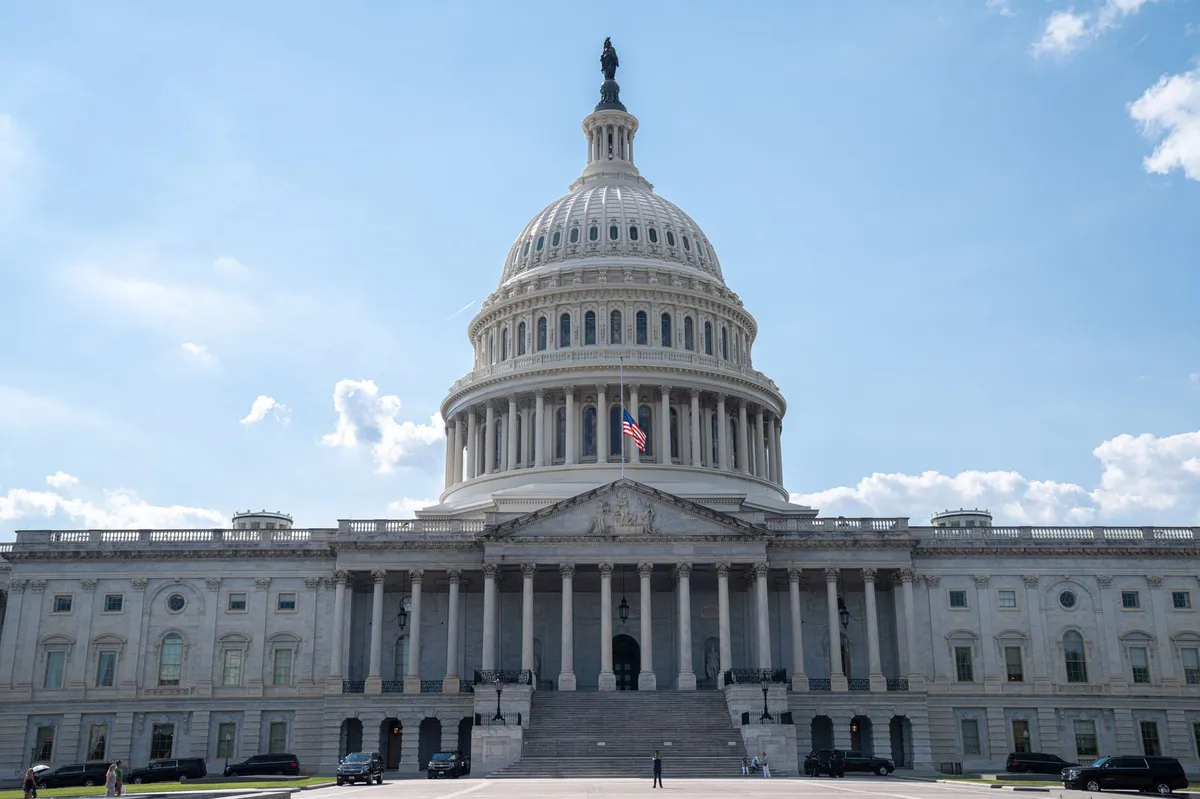
The recent legislative efforts in the U.S. are aimed at tightening the grip on foreign automotive manufacturers, particularly those backed by Chinese investors. These developments are not merely regulatory challenges; they represent a broader trend of increasing protectionism in the U.S. market, which has been fueled by national security concerns and a desire to bolster domestic manufacturing.
Mercedes-Benz's CEO acknowledged these geopolitical challenges, stating, “We are not naive about the geopolitical environment and the competition between the United States and China.” This illustrates a proactive approach to navigating the intricacies of U.S.-China relations. The automotive sector, a critical pillar of the U.S. economy, is often at the center of these discussions, making it essential for companies like Mercedes-Benz to remain vigilant and responsive.
Investments and Local Production: A Strategy for Growth
In response to declining sales in its home market of China, where electric vehicle (EV) adoption is rapidly accelerating, Mercedes-Benz is pivoting toward enhancing its U.S. operations. The company has pledged over $7 billion in investments aimed at strengthening its production capabilities in the U.S. This includes a substantial $4 billion earmarked for expanding SUV production at its Alabama plant through 2030.
Kaellenius hinted at the possibility of establishing new engine production facilities in the U.S. depending on the outcomes of negotiations surrounding a North American trade pact. This strategic move could not only mitigate the risks associated with potential tariffs but also align with U.S. content rules that favor local manufacturing.
The Financial Upside of Local Manufacturing
Producing vehicles locally in the U.S. offers significant financial benefits. As independent automotive analyst Matthias Schmidt pointed out, “If you are manufacturing locally in the U.S., it is a license to print money.” The profitability associated with combustion engine vehicles, which remain popular among U.S. consumers, is considerably higher than that of their electric counterparts, which often require greater investment in technology and infrastructure.
- 15% increase in U.S. sales during the first half of the year.
- $7 billion investment in U.S. operations to boost manufacturing.
- Potential new engine production facilities in the U.S. to comply with trade agreements.
Electric Vehicles: Navigating a Rapid Shift
The transition to electric vehicles represents both a challenge and an opportunity for Mercedes-Benz. While the company has seen its market share wane in China, where local brands have aggressively pursued the EV market, the U.S. remains a critical haven for traditional vehicles. As the company enhances its U.S. production, it must also balance the growing consumer demand for EVs with its established manufacturing of combustion engine cars.
Kaellenius's strategic foresight acknowledges the need for diversification in response to evolving market dynamics. Mercedes-Benz's investment in its U.S. operations is not just about maintaining current sales but also about positioning itself to lead in the electric vehicle space as consumer preferences shift. This dual approach could provide a competitive edge in a market that is increasingly polarized between traditional and electric vehicles.

Conclusion: A Future of Adaptation and Resilience
As Mercedes-Benz navigates the complexities of U.S.-China relations and the evolving automotive landscape, the commitment from CEO Ola Kaellenius to protect the company’s U.S. business signals a turning point. The company’s substantial investments and strategic planning reflect a determination to adapt to market conditions while ensuring compliance with legislative developments.
The implications of these decisions extend beyond Mercedes-Benz itself; they resonate throughout the automotive industry and the broader economy. By prioritizing local production and responding to geopolitical pressures, Mercedes-Benz is not only safeguarding its operations but also contributing to the resilience of the U.S. manufacturing sector in an increasingly uncertain global market.
Key Takeaways
- Mercedes-Benz's CEO vows to protect U.S. operations amid legislative scrutiny.
- Significant investment in U.S. manufacturing aims to boost production and sales.
- Local manufacturing is seen as financially advantageous compared to overseas production.
- Balancing traditional combustion vehicles with electric vehicle strategies is crucial.
Frequently Asked Questions
What is the significance of the U.S. Senate legislation regarding Chinese automakers?
The U.S. Senate legislation aims to restrict the entry of Chinese automakers into the U.S. market, citing national security concerns. This could impact foreign companies like Mercedes-Benz, which has substantial Chinese investment. The implications of this legislation could extend to potential sales bans, making it crucial for companies to adapt their strategies to comply while protecting their market presence.
How is Mercedes-Benz adapting to the shift toward electric vehicles?
Mercedes-Benz is strategically investing in its U.S. operations to enhance local production capabilities while balancing the demand for traditional vehicles with the rising interest in electric vehicles. The company’s approach includes significant investments in manufacturing and potential new facilities, allowing it to navigate the dual pressures of maintaining profitability and meeting consumer preferences for EVs.
What financial benefits does local manufacturing provide for Mercedes-Benz?
Manufacturing vehicles locally in the U.S. allows Mercedes-Benz to capitalize on higher profit margins associated with combustion engine vehicles, which are still in demand. This local presence also mitigates risks related to tariffs and trade restrictions, providing a financial buffer and enabling the company to respond swiftly to market changes.
How does the geopolitical environment affect automotive companies like Mercedes-Benz?
The geopolitical environment significantly impacts automotive companies, particularly in relation to trade policies and foreign investments. Companies like Mercedes-Benz must navigate these complexities to protect their operations and ensure compliance with evolving regulations. This can influence strategic decisions around manufacturing locations, investment priorities, and product offerings.
Comments
Why Albertsons Stock is Plummeting: Analyzing Consumer Trends and Market Forces
Albertsons Companies is grappling with a significant drop in stock value after revising its fiscal outlook downward. This article delves into the factors behind this decline, including changing consumer behaviors and market dynamics.

Related articles



Popular in Investing
- Navigating the Dismal Landscape of 2026's Worst-Performing ETFs
- Stablecoin Market Faces $10 Billion Decline — What It Means for Investors
- Avantus Secures $525 Million for Major California Solar Project
- Navigating the Pet Stocks Market: Opportunities Amidst Challenges
- Market Turmoil: How Geopolitical Tensions and Earnings Reports Impact Stocks